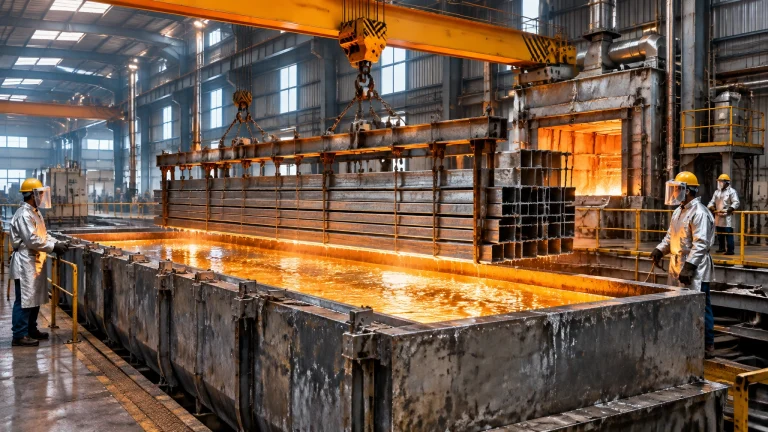
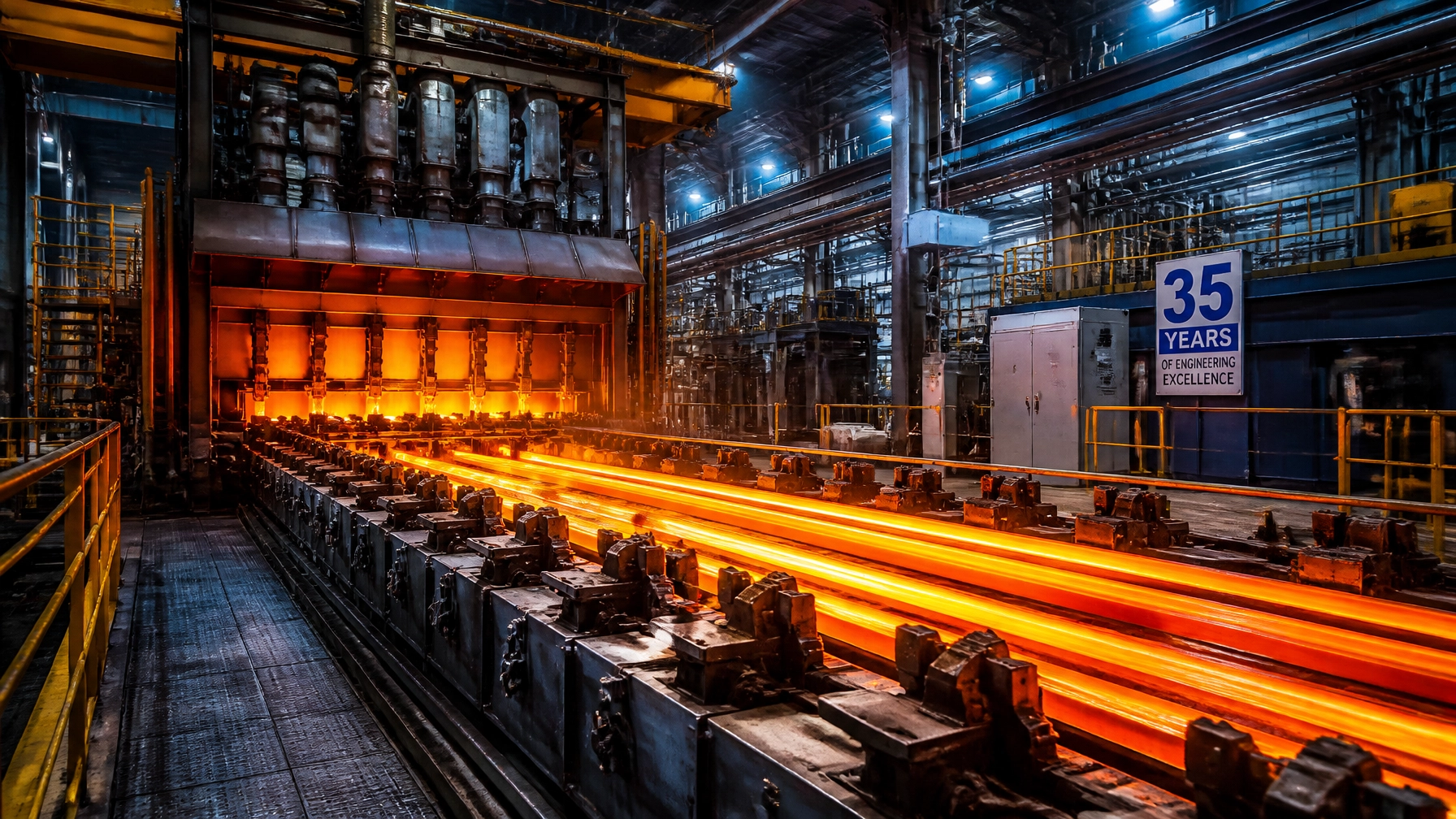
In the high-stakes world of thermal processing, the margin between operational excellence and catastrophic failure is often measured in microns and single-digit percentage points. For over 35 years, Continental Furnaces has served as a strategic consultant to global leaders in the steel rolling mill, automotive, and wire and cable industry. We have observed a recurring pattern: even the most sophisticated facilities often fall prey to subtle operational oversights that hemorrhage profitability and compromise metallurgical integrity.
As we navigate the complexities of 2026, where "Industry 4.0" is no longer a buzzword but a prerequisite for survival, understanding these pitfalls is essential. Below, we outline the seven critical mistakes currently undermining your industrial furnace systems and the prescriptive roadmaps to rectify them.
1. Adopting a Reactive "Run-to-Failure" Maintenance Model
The most pervasive error in modern manufacturing is treating maintenance as a response to failure rather than a preventative strategy. Reactive maintenance on heat treatment furnaces typically results in 35-50% higher repair costs and unpredictable downtime that ripples through the entire supply chain.
The Fix: Transition to a Predictive Maintenance (PdM) framework. By integrating IoT sensors that monitor vibration, thermal signatures, and gas flow, you can identify "pre-failure" states. In 2026, the gold standard is utilizing digital twins to simulate stress on thermal processing equipment, allowing for part replacement during scheduled windows, thereby maintaining a 99.2% uptime rate.
2. Neglecting the Thermal Envelope and Refractory Integrity
A furnace is only as efficient as its ability to contain energy. We frequently see plants ignoring hairline cracks in refractory linings or worn door seals. A mere 5% compromise in the thermal envelope can lead to a 12-15% spike in fuel consumption and inconsistent heating zones.

The Fix: Implement quarterly thermal imaging audits. Use high-resolution infrared thermography to identify "hot spots" on the furnace shell. For steel rolling mills and aluminum melting furnace operations, ensuring that the refractory is free of spalling and that seals are airtight is critical for maintaining the precise temperature uniformity required for high-grade alloys.
3. Sub-optimal Burner Calibration and Element Health
Inconsistent flame patterns or fouled electric elements are the primary drivers of localized overheating. This not only increases scrap rates but also accelerates the degradation of your furnace spare parts, specifically the radiant tubes and heating elements.
The Fix: Conduct bi-monthly combustion analysis. Modern industrial furnace manufacturers now offer automated burner management systems (BMS) that adjust air-to-fuel ratios in real-time.
| Feature | Traditional Methods | 2026 Continental Standards |
|---|---|---|
| Adjustment | Manual/Periodic | Real-time AI-driven |
| Fuel Efficiency | Baseline | +18% Improvement |
| Carbon Footprint | High | Low-NOx Certified |
| Labor Requirement | High (Constant Monitoring) | Autonomous |
4. Allowing Calibration Drift in Measurement Sensors
A heat treatment furnace is only as accurate as its sensors. "Calibration drift" is a silent killer of quality. When thermocouples or atmosphere sensors drift by even 2-3%, the resulting metallurgical properties: such as case depth or tensile strength: can fall outside of ISO-certified tolerances.

The Fix: Establish a rigorous System Accuracy Test (SAT) and Temperature Uniformity Survey (TUS) schedule in accordance with AMS2750 or equivalent standards. In 2026, we recommend the use of redundant, self-calibrating sensor arrays that cross-reference data points to alert operators the moment a deviation is detected.
5. Compromising Atmosphere Control and Vacuum Integrity
For processes like carburizing or annealing in the wire and cable industry, the atmosphere is as critical as the temperature. Leaks in the furnace shell or improper gas flow lead to oxidation and decarburization. In vacuum furnaces, a damaged O-ring can ruin an entire batch of aerospace-grade components.
The Fix: Utilize automated atmosphere analyzers and helium leak detection. For metal recycling furnace projects and advanced thermal lines, maintaining a positive pressure or a precise vacuum level is non-negotiable. Learn more about our sustainable recycling solutions to see how atmosphere control impacts yield.
6. Inefficient Loading and Manual Parameter "Tweaks"
Human error remains a significant bottleneck. Improper loading of parts obstructs airflow, creating "cold spots." Furthermore, when operators manually override programmed logic: often referred to as "knob-turning": it introduces variability that defeats the purpose of precision engineering.

The Fix: Implement Automated Load Management and locked PLC recipes. By standardizing loading patterns and using automated fixtures, you ensure consistent heat transfer. This is particularly vital in wire industry annealing, where uniformity across the entire coil is essential for downstream processing.
7. Utilizing Substandard or Generic "Off-the-Shelf" Spares
To save on immediate costs, many procurement departments opt for generic furnace spare parts. However, these components often lack the metallurgical specification to withstand the extreme thermal cycling of a melting furnace for steel or a hot dip galvanizing plant. The result is premature failure and potential damage to the primary furnace structure.
The Fix: Source only OEM-spec high-performance alloys and components. Continental Furnaces provides precision-engineered spares designed to match the original thermal expansion coefficients of your equipment, ensuring a "quantum leap" in component longevity and system reliability.
Phase 1: The Roadmap to Thermal Optimization
To move from a state of operational risk to sustained competitive advantage, we recommend the following professional roadmap:
- Phase 1: Technical Audit: Conduct a comprehensive baseline assessment of your current energy yield and scrap rates.
- Phase 2: Sensor Integration: Retrofit existing industrial furnace systems with Industry 4.0-ready sensors for real-time data harvesting.
- Phase 3: Logic Standardization: Transition all thermal cycles to validated, digital recipes with strict administrative overrides.
- Phase 4: Staff Upskilling: Leverage our workforce training programs to ensure your team understands the synergy between hardware and digital control.
The Continental Advantage
As an ISO-certified industrial furnace manufacturer, we don't just build hardware; we engineer enduring partnerships. Whether you are operating a steel rolling mill or a specialized hot dip galvanizing plant, our solutions are designed for one thing: maximum ROI.
In an era of rising energy costs and stringent environmental regulations, these seven fixes are not optional: they are essential for your facility's survival.
Ready to eliminate these mistakes from your production line?
Contact our senior engineering team today for a strategic consultation and take the first step toward unparalleled thermal efficiency.