Author: Continental Furnaces

Continental Furnaces Industrial Insights (Morning Edition): Thermal Energy Storage, Peak Tariffs & Load-Flexibility Revenue 2026, Heat Batteries, Demand Response Economics and Time-of-Use Strategy for EAFs, Steel Rolling Mills and Electric Industrial Furnace Systems

The commercial question for furnace operators is no longer only how much energy a plant consumes. It is also when that energy is purchased, and whether heat can be stored or production scheduled so the plant buys less power during expensive or constrained hours. That distinction matters for an electric arc furnace (EAF), a steel […]
Read More
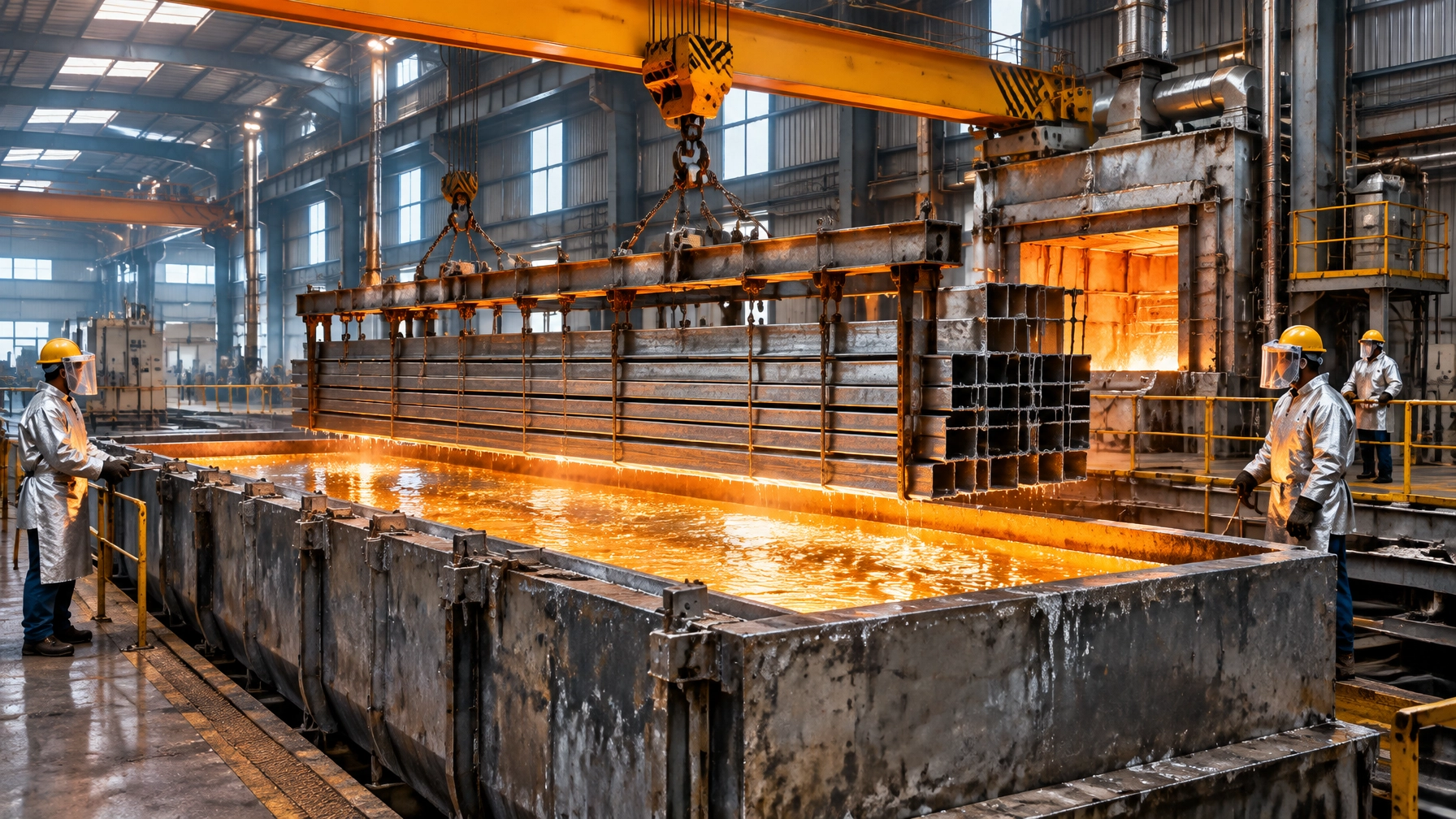
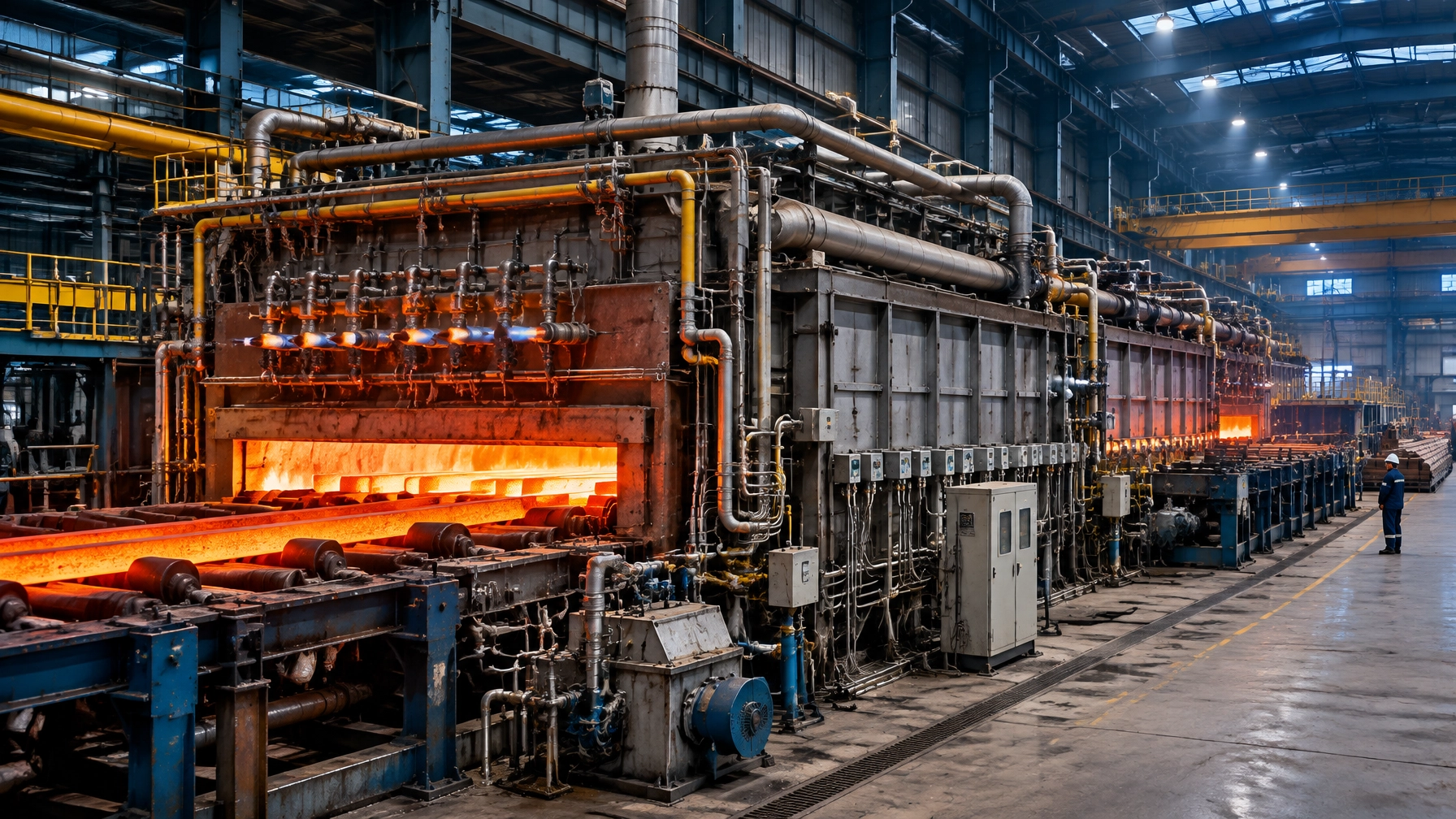
Continental Furnaces Industrial Insights (Afternoon Edition): Galvanizing Kettle-Life Management & Failure Prevention 2026, Wall-Thinning Mechanisms, Temperature Discipline, Ultrasonic Condition Monitoring and Planned Replacement Economics for Hot Dip Galvanizing Plants

The kettle is the single most capital-consequential asset in a hot dip galvanizing plant. An unplanned failure can mean molten-zinc containment loss, emergency zinc handling, cleanup and an extended production outage. Potentially lasting months if replacement equipment and changeover resources are not ready. The central operating principle is straightforward: kettle life is managed, not left […]
Read More

Continental Furnaces Industrial Insights (Morning Edition): Furnace Energy Monitoring & Model-Based Optimization 2026, Specific Energy KPIs, Heat-Balance Audits and AI-Driven Control for Steel Rolling Mills, Heat Treatment Furnaces and Industrial Furnace Systems

Continental Furnaces Industrial Insights | 26 October 2026 A furnace can look stable on its zone-temperature screens and still burn 20% more fuel per tonne than its own operating capability. In many poorly measured operations, a 3–20% avoidable fuel gap is a useful diagnostic range, not a universal benchmark or a guaranteed saving. The gap […]
Read More

Continental Furnaces Industrial Insights (Afternoon Edition): Aluminum Melting Furnace Dross & Melt-Loss Economics 2026, Dross Formation Control, Hot-Dross Recovery Technology and the Salt-Slag Liability Question for Metal Recycling Furnaces, Foundries and Die Casters

In a casthouse, aluminum lost to dross is bought twice: first as metal, then as the energy used to melt it. If it is handled casually, that loss can be paid for a third time through transport and disposal. The hidden costs include metal value, melting energy, residue handling and disposal, and lost alloy value […]
Read More

Continental Furnaces Industrial Insights (Morning Edition): Cooling-Water Systems & Heat-Loss Engineering 2026, Insulated Skids, Closed-Loop Circuits and Heat Recovery from Furnace Cooling Systems for Steel Rolling Mills, Heat Treatment Furnaces and Induction Melting

25 October 2026 | Morning Edition In a reheating furnace, some of the heat operators work hard to put into steel leaves through a less visible route: the cooling water protecting skid pipes and other hot-zone components. For steel rolling mills, managing that heat is not simply a matter of adding insulation. It requires coordinated […]
Read More

Continental Furnaces Industrial Insights (Afternoon Edition): Zinc Ash & Dross Recovery Economics 2026, Residue Valorisation, In-House Reclaim Technology and the Furnace Engineering Behind Metal Recycling for Hot Dip Galvanizing Plants

Zinc-bearing residues are not all the same, and neither are the recovery opportunities they contain. For hot-dip galvanizing plants, the economic case for reclaiming zinc depends on accurate residue identification, representative assays, suitable process technology and a realistic assessment of what recovered metal can be returned to the kettle. In 2026, this is a practical […]
Read More

Ready to Optimize Your Thermal Processing?

Contact our experts for a free consultation.

Translate »
+91 98113 04306