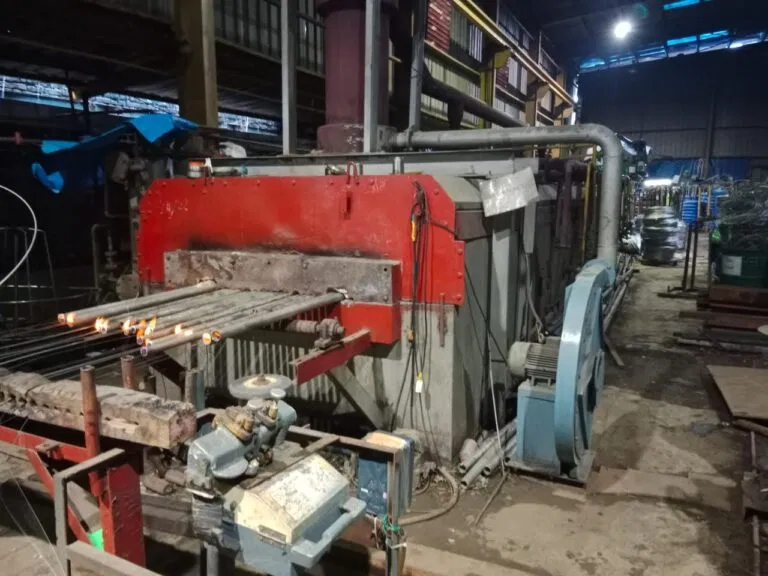
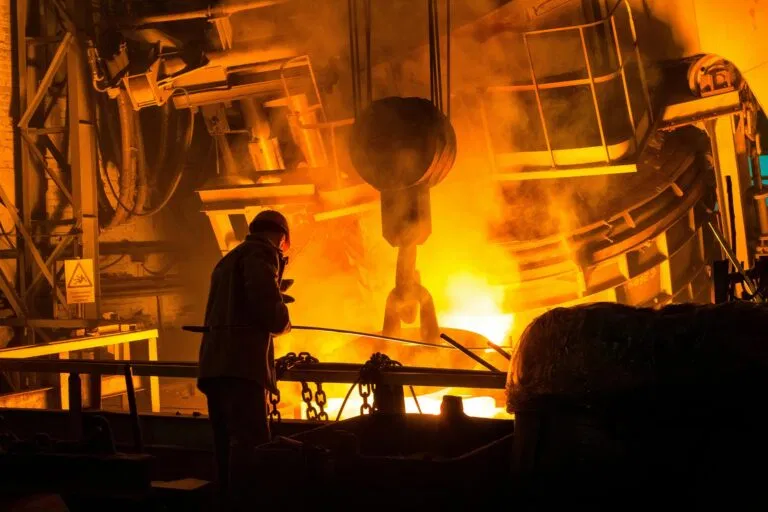
In the current landscape of global manufacturing, the decision to invest in a melting furnace for steel is no longer a simple procurement task; it is a high-stakes strategic move toward sustained competitive advantage. As a seasoned industrial furnace manufacturer with over 35 years of engineering wisdom, Continental Furnaces understands that your thermal processing facility is the heart of your operation. Whether you are integrating a new unit into a steel rolling mill or upgrading a dedicated foundry, the technology you select today will dictate your yield, energy overhead, and regulatory compliance for the next two decades.
The year 2026 marks a "quantum leap" in thermal processing equipment. The convergence of Industry 4.0, stringent carbon mandates, and the shift toward the circular economy means that traditional ROI calculations are insufficient. To ensure your investment delivers maximum lifecycle value, we have distilled our decades of field expertise into this instructional roadmap.
1. Technology Archetype: Induction vs. Electric Arc (EAF)
Selecting the correct melting technology is the most critical technical decision. For precision-driven operations and specialty steel grades, the coreless induction furnace is the benchmark for 2026. These systems offer exceptional thermal efficiency and inherent electromagnetic stirring, ensuring a homogeneous melt. Conversely, if your facility handles large-scale scrap processing within a metal recycling furnace framework, an Electric Arc Furnace (EAF) may provide the necessary volume, though it requires a more robust electrical infrastructure and fume handling system.
2. Specific Energy Consumption (SEC) Benchmarks
Energy efficiency is the primary driver of profitability. Modern industrial furnace systems must achieve a Specific Energy Consumption (SEC) within the range of 540–635 kWh/ton for steel. At Continental Furnaces, we engineer our solutions with dual-stage heat recovery and adaptive flux coupling to minimize radiation losses. Reducing your SEC by even 5% can translate into millions in annual savings when operating at high throughput levels.
3. Integration with the Steel Rolling Mill
A furnace does not exist in isolation. Its capacity and tap-to-tap time must be perfectly synchronized with your downstream processes, particularly the steel rolling mill. Mismatched cycle times lead to "thermal bottlenecks," where energy is wasted holding metal at temperature. We recommend a "Phase 1: Assessment and Planning" approach to map your entire production flow before finalizing furnace dimensions.

4. Advanced Automation & Digital Twin Synchronization
In 2026, a "mission-critical" furnace is defined by its operational intelligence. Investing in a system equipped with real-time monitoring and predictive diagnostics is essential. Our latest control decks utilize "physics-aware" analytics to predict refractory lining wear and coil integrity before a failure occurs. This proactive approach minimizes unplanned downtime and ensures peak performance.
5. Metallurgical Precision & Temperature Control
Steel melting requires precise control within the 1398–1600 °C range. Over-superheating not only wastes energy but also accelerates refractory erosion and increases oxidation. Modern thermal processing equipment should feature closed-loop temperature control and automated alloy addition systems to guarantee metallurgical consistency across every heat.
6. Sustainability and The Circular Economy
The global shift toward "Green Steel" necessitates equipment that supports metal recycling projects. High-efficiency furnaces are essential for building a sustainable future. If your operation also involves non-ferrous metals, ensuring your partner can provide a high-performance aluminum melting furnace or specialized recycling units is a strategic necessity.
7. Maintenance and the Ecosystem of Furnace Spare Parts
The total cost of ownership (TCO) is heavily influenced by the availability of furnace spare parts. A common pitfall is purchasing low-CAPEX equipment from unverified sources, only to face months of downtime due to a lack of specialized components. Partnering with a domestic industrial furnace manufacturer ensures "super prompt" service and a reliable supply chain for critical spares like induction coils, thyristors, and refractory materials.

8. Refractory Strategy and Lining Longevity
The refractory lining is the most vulnerable component of any melting furnace for steel. For 2026, we advocate for multi-layered insulation designs that manage cyclic thermal stress rather than relying on mass alone. This engineering choice extends the campaign life of the furnace and reduces the frequency of labor-intensive relining procedures.
9. Diversification into Downstream Thermal Processing
Leading manufacturers often find that their needs extend beyond melting. Whether it is a hot dip galvanizing plant for corrosion protection or specialized heat treatment furnaces for improving metal ductility, your furnace partner should offer a holistic portfolio. This is particularly vital in the Wire and cable industry, where precise annealing is required after the rolling process. Explore our wire industry solutions for more technical insights.
10. Regulatory Compliance and ISO Standards
Never compromise on safety or environmental certification. An ISO-certified manufacturer provides the empirical credibility required to meet international standards. From fume extraction efficiency to interlock safety protocols, ensure your equipment meets the highest global benchmarks to avoid future legal or operational liabilities.
Technical Comparison: Modern vs. Legacy Melting Systems
| Feature | Legacy Combustion Systems | Modern Induction Systems (2026) | Competitive Advantage |
|---|---|---|---|
| Energy Efficiency | 30% – 40% | 85% – 92% | ~60% reduction in fuel/power costs |
| Metal Loss (Oxidation) | 3% – 5% | < 1% | Significant increase in yield/profit |
| Automation Level | Manual/Basic | Full Industry 4.0 Integration | Minimal labor; predictive maintenance |
| Start-up Time | 4 – 8 Hours | < 60 Minutes | High operational flexibility |
| Carbon Footprint | High (Direct Emissions) | Low (Electric-ready) | Ready for 2026/2030 carbon taxes |
The Investment Roadmap: A Professional Guide
To transition your facility into a high-performance operation, we recommend the following chronological phases:
- Phase 1: Demand Audit: Define your specific steel grades, hourly tonnage requirements, and downstream integration needs (e.g., steel rolling mill feed rates).
- Phase 2: Technical Specification: Collaborate with a consultant-led industrial furnace manufacturer to design a customized solution.
- Phase 3: Infrastructure Prep: Evaluate your grid capacity for high-density power requirements and harmonic filtering.
- Phase 4: Commissioning & Training: Ensure your workforce is trained on the latest digital HMIs and safety protocols.

Conclusion: Securing Your Industrial Future
Investing in a melting furnace for steel is an enduring partnership between your facility and your equipment provider. At Continental Furnaces, we don't just sell hardware; we deliver engineered excellence backed by 35+ years of industry tenure. As we prepare to showcase our latest innovations at the MRAI 2026 conference, we invite you to consult with our experts to design a solution that ensures your long-term profitability.
Are you ready to take a quantum leap in your thermal processing efficiency? Contact Continental Furnaces today for a comprehensive technical consultation and secure your competitive edge in the global steel market.