As we navigate the fiscal landscape of 2026, the global manufacturing sector has arrived at a critical inflection point. The traditional paradigm of "run-to-failure" maintenance is no longer just a technical inefficiency; it is a financial liability that threatens the core competitiveness of modern production facilities. For the industrial furnace manufacturer, the challenge has evolved from simply providing thermal output to delivering integrated, intelligent systems that maximize uptime and minimize carbon footprints.
Continental Furnaces, with over 35 years of engineering tenure, has observed that the most successful B2B partnerships in 2026 are those built on a foundation of data-driven operational excellence. This guide serves as a strategic roadmap for decision-makers in the steel, automotive, and wire and cable industry, detailing how predictive maintenance and advanced energy recovery are redefining the ROI of thermal processing equipment.
1. The Quantitative Shift: Traditional vs. Smart Furnace Systems
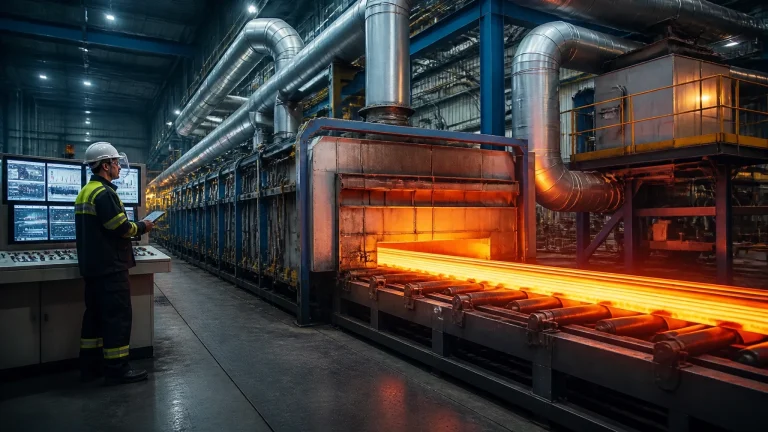
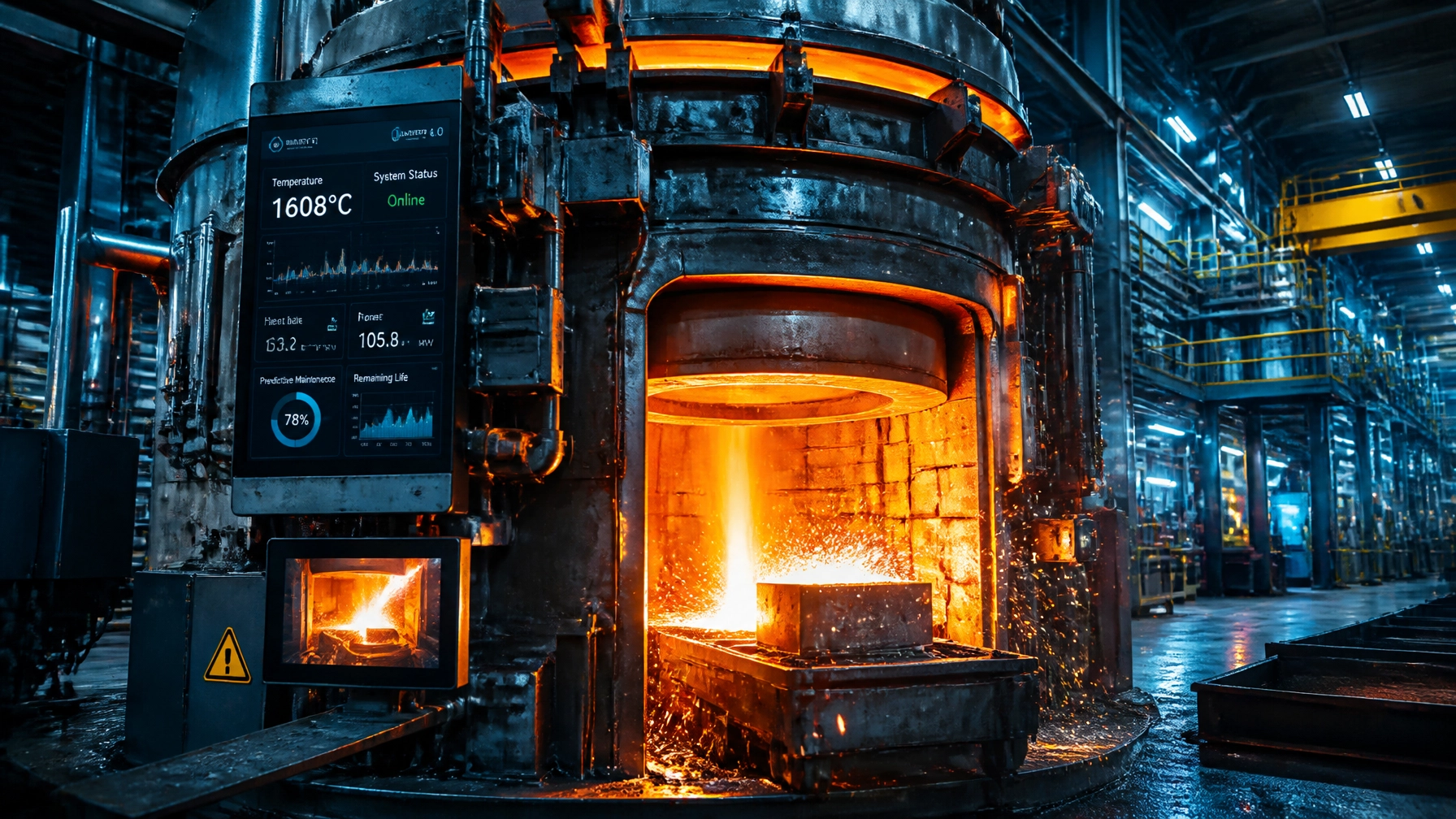
The transition to "Smart Furnaces" is characterized by a fundamental shift from periodic inspections to real-time, sensor-based monitoring. In high-demand environments like a steel rolling mill, even an hour of unplanned downtime can result in revenue losses exceeding tens of thousands of dollars.
| Performance Metric | Traditional Maintenance (Time-Based) | Predictive Maintenance (Condition-Based) |
|---|---|---|
| Unplanned Downtime | 8% – 12% annually | < 3% annually |
| Maintenance Costs | Baseline (100%) | 65% – 75% of baseline |
| Equipment Lifespan | Standard (Refractory wear often hidden) | Extended by 25% – 30% |
| Energy Consumption | High (Inefficiency undetected) | 15% – 20% reduction |
| Safety Risk | Periodic monitoring only | Continuous anomaly detection |
By integrating dense sensor arrays into heat treatment furnaces, operators can now detect micro-drifts in temperature uniformity or burner performance long before they manifest as product defects or catastrophic failures.
2. Predictive Maintenance: The ROI of Foresight
The primary driver behind the adoption of predictive maintenance (PdM) is the aggressive reduction of Mean Time to Repair (MTTR) and the extension of Mean Time Between Failures (MTBF). In 2026, the technology has matured from experimental AI models to standard operational protocols.
Key Enablers of Predictive Success
- Vibration and Acoustic Analysis: Sensors mounted on blower motors and exhaust fans in industrial furnace systems identify bearing wear or impeller imbalances months in advance.
- Thermal Profiling: Real-time heat maps of the furnace shell allow for the early detection of refractory thinning or insulation voids, preventing dangerous "hot spots" and energy leakage.
- Automated Flux Monitoring: For an aluminum melting furnace, monitoring the chemistry and flow rate of molten metal ensures consistent yield and prevents the accumulation of inclusions.

Implementing these technologies results in a 35–45% reduction in unplanned downtime. For facilities operating at high capacity, the payback period for such digital retrofits is typically achieved within 6 to 18 months, making it one of the most effective capital expenditures in the modern industrial budget.
3. Optimizing the Melting Cycle: Efficiency in Ferrous and Non-Ferrous Production
Whether managing a melting furnace for steel or a metal recycling furnace, energy efficiency is the largest lever for cost control. In 2026, the industry has moved toward "Hydrogen-Ready" burners and advanced recuperative technologies.

Continental Furnaces specializes in high-efficiency designs that utilize:
- Regenerative Burner Systems: These systems capture waste heat from exhaust gases to preheat combustion air to temperatures as high as 1000°C, drastically reducing fuel consumption.
- Advanced Refractory Materials: Utilizing low-thermal-mass linings in heat treatment furnaces allows for faster ramp rates and reduced "soaking" energy requirements.
- Oxygen Enrichment: Increasing the oxygen concentration in the combustion process leads to higher flame temperatures and lower flue gas volumes, enhancing overall thermal efficiency by up to 12%.
For more granular insights into optimizing your current setup, we recommend reviewing our guide to heat treatment maintenance mistakes.
4. Sector Focus: Rolling Mills and the Wire Industry
The requirements for a steel rolling mill differ significantly from those of a hot dip galvanizing plant. However, the underlying need for precision remains constant.
The Rolling Mill Ecosystem
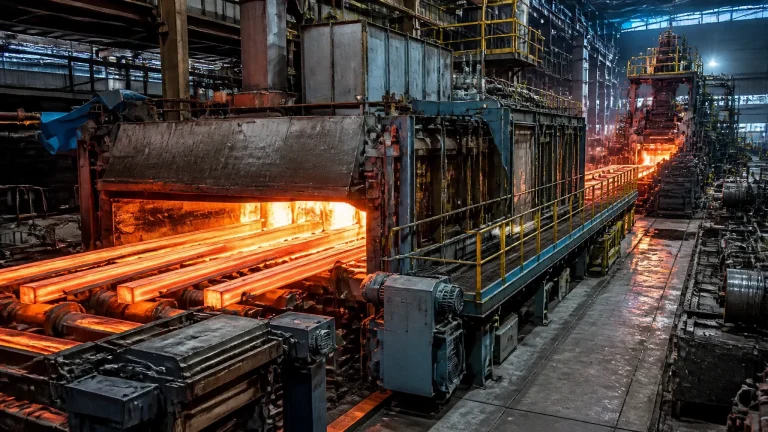
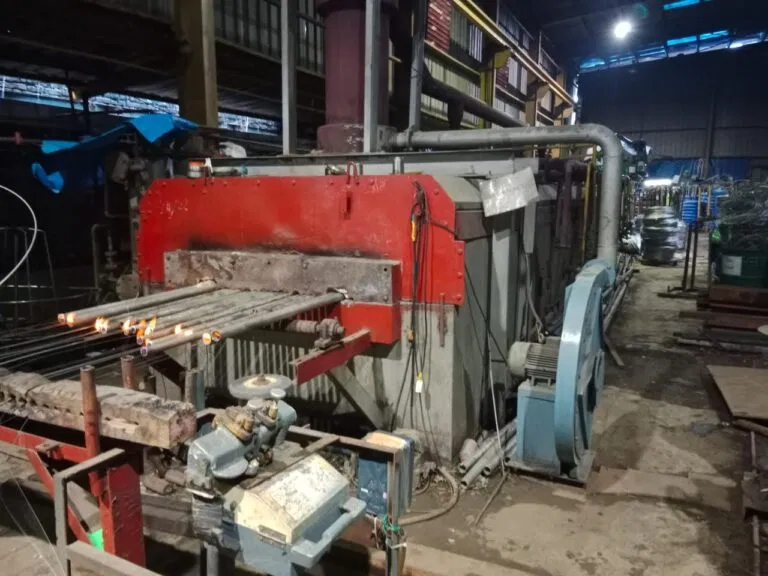
In a modern rolling mill, the furnace is not an isolated unit but the "thermal engine" of the entire production line. Our recent analysis of modern steel rolling mills highlights that integrating furnace control systems with rolling speed sensors can optimize fuel-to-air ratios in real-time, ensuring that billets are heated to the exact plastic deformation temperature required for the specific alloy.
Wire and Cable Industry Excellence
For the wire and cable industry, continuity is paramount. Continuous annealing lines must maintain precise atmosphere control to prevent oxidation. By utilizing furnace spare parts designed for high-cycle durability: such as specialized radiant tubes and high-temperature seals: manufacturers can achieve the stringent surface finish requirements demanded by the aerospace and telecommunications sectors.

5. Strategic Roadmap: Transitioning to Industry 4.0 Thermal Processing
Achieving a state-of-the-art thermal processing environment requires a phased approach. Continental Furnaces acts as a strategic partner throughout this lifecycle.
- Phase 1: Digital Audit and Assessment: Identify the most critical "bottleneck" furnaces. Analyze historical downtime data and current energy consumption benchmarks.
- Phase 2: Sensor Integration: Install IIoT-enabled sensors for temperature, pressure, and power draw. Connect these to a centralized thermal processing equipment control deck.
- Phase 3: AI-Driven Analytics: Deploy machine learning algorithms to establish a "digital twin" of your furnace, allowing for simulation-based optimization of heating cycles.
- Phase 4: Predictive Workflows: Integrate furnace data with your Computerized Maintenance Management System (CMMS) to automatically trigger work orders based on condition thresholds.

Conclusion: Securing a Sustained Competitive Advantage
In the high-stakes world of industrial manufacturing, the "wait and see" approach to technology adoption has become a recipe for obsolescence. The integration of predictive maintenance and high-efficiency thermal systems is no longer a luxury: it is a fundamental requirement for regulatory compliance, sustainability, and profitability.
Continental Furnaces remains committed to delivering customized, ISO-certified solutions that empower our clients to lead their respective industries. Whether you are seeking to upgrade an existing aluminum melting furnace or design a complete hot dip galvanizing plant from the ground up, our 35 years of expertise ensure that your investment is engineered for the future.
Direct Directive: Contact our senior engineering team today for a comprehensive thermal efficiency audit. Let us help you transform your furnace systems from a cost center into a strategic asset for sustained competitive advantage.