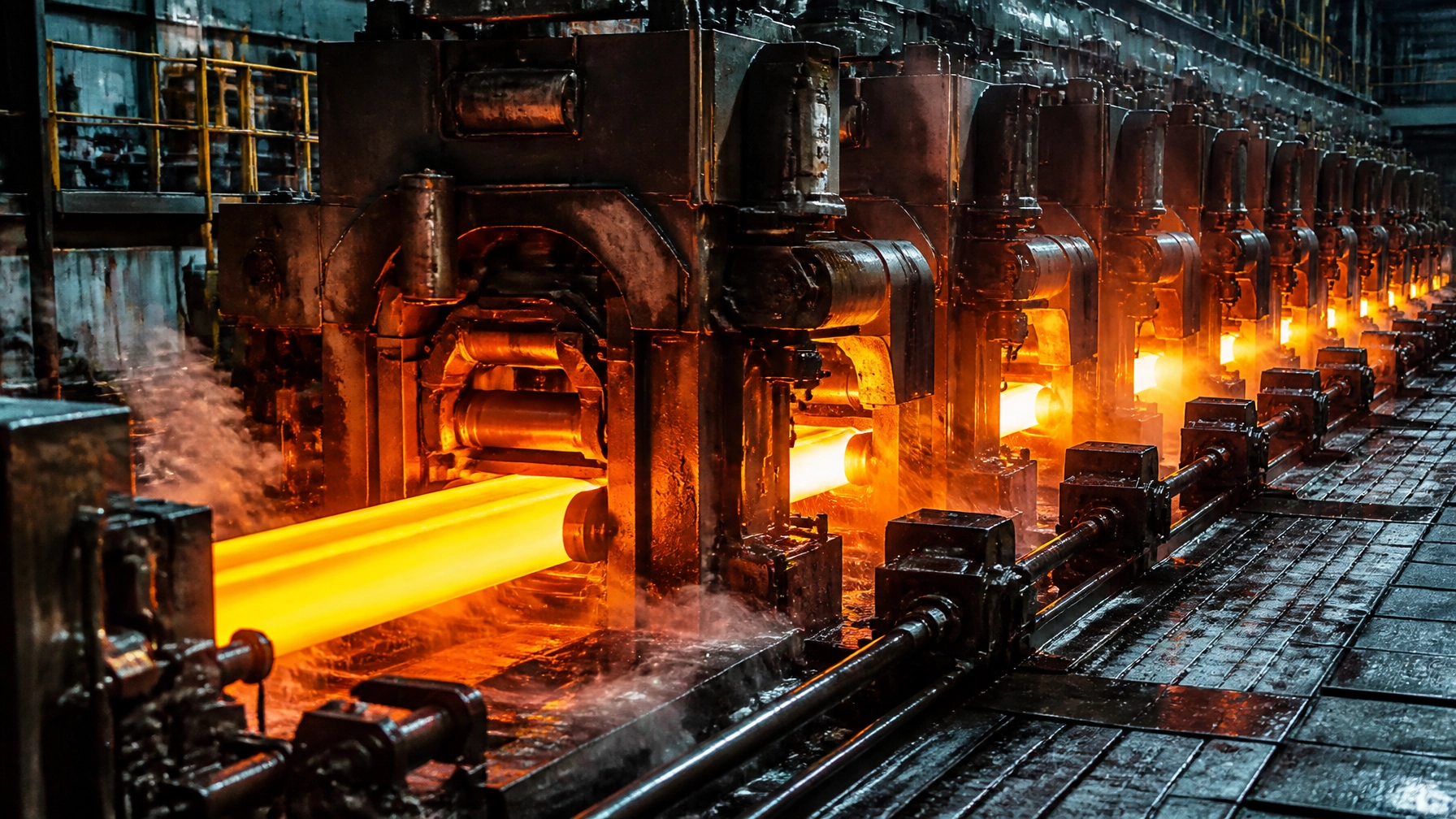
As we navigate the industrial landscape of 2026, the mandate for steel rolling mills has never been more clear: maximize throughput while minimizing the energy footprint. The benchmark of 120 Tons Per Hour (TPH) is no longer just a productivity target: it is the minimum threshold for staying competitive in a market governed by fluctuating fuel prices and stringent carbon regulations, such as the EU’s Carbon Border Adjustment Mechanism (CBAM).
At Continental Furnaces, with over 35 years of engineering tenure, we view this challenge not as an obstacle, but as a technical optimization problem. Achieving 120 TPH without exceeding your energy budget requires a strategic pivot from "legacy operation" to "precision thermal processing." This guide serves as a roadmap for plant managers and industrial engineers looking to secure a sustained competitive advantage through advanced furnace technology and system-wide efficiency.
Phase 1: The Reheating Furnace – The 60% Efficiency Lever
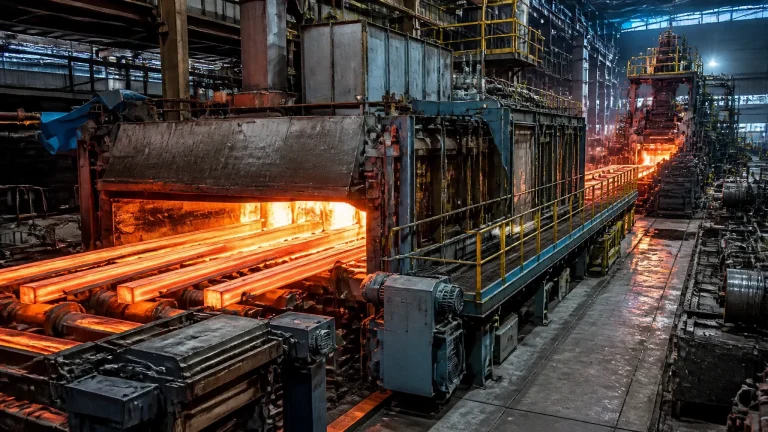
In any hot rolling mill, the reheating furnace is the single largest consumer of energy, often accounting for 60% to 70% of total plant consumption. To hit a 120 TPH throughput in 2026, your thermal processing equipment must move beyond simple heating.
Transitioning from Pusher to Walking Beam Technology
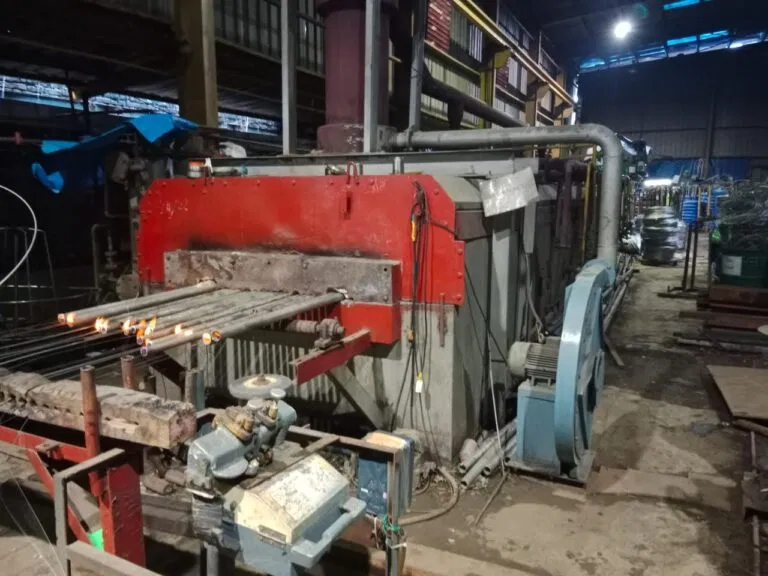
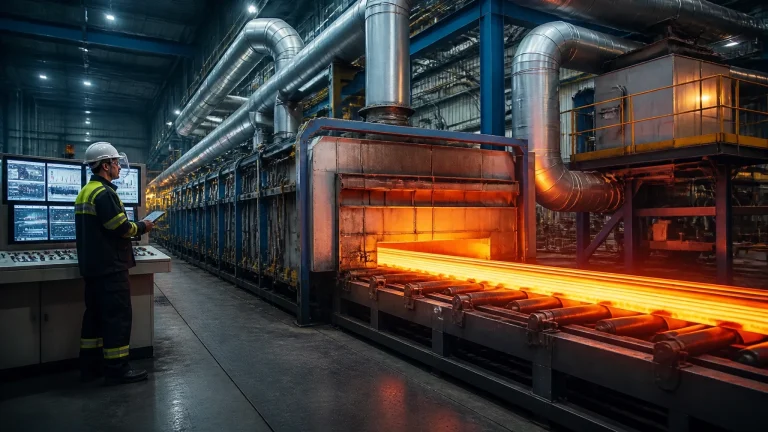
For high-capacity operations, the shift to walking beam furnaces is non-negotiable. Unlike older pusher-type furnaces, walking beam systems allow for bottom heating and eliminate the "skid marks" that cause metallurgical inconsistency. More importantly, they allow for flexible billet spacing, which optimizes heat transfer and reduces the residence time required to reach rolling temperatures.
Combustion Excellence: Regenerative Burner Systems
Modern industrial furnace systems must employ high-efficiency burner technology. Regenerative and recuperative burners are essential for capturing waste heat from flue gases to preheat combustion air. By raising combustion air temperatures to 500°C or higher, mills can achieve a 15% to 25% reduction in specific fuel consumption (SFC).

- Target Temperature Precision: A 100°C reduction in exit temperature (where metallurgy allows) translates to a ~9% drop in unit fuel consumption.
- Oxygen Trim Control: Implementing real-time O2 monitoring ensures an optimal air-fuel ratio, preventing energy loss through excess air or incomplete combustion.
Phase 2: Mechanical Efficiency and High-Performance Drives
Achieving 120 TPH is as much about the rolling stands as it is about the furnace. Mechanical losses in the mill line are often overlooked but represent a significant drain on the 2026 energy budget.
IE4/IE5 Motor Standards and Variable Speed Drives (VSDs)
By 2026, the transition to IE4 or IE5 ultra-premium efficiency motors is an industry standard. Replacing legacy IE2 motors in the rolling line can reduce electrical losses by 3% to 5%. When paired with high-performance Variable Speed Drives (VSDs), particularly on fans and pumps, energy savings can escalate to 25% or more.
Rolling Mill Maintenance and Spare Parts
Thermal processing and rolling are a symbiotic unit. Friction is the enemy of efficiency. Utilizing high-quality furnace spare parts and advanced roller bearings reduces the torque required to move steel through the stands.
- Anti-Friction Bearings: Transitioning from traditional bushings to anti-friction roller bearings reduces mechanical drag significantly.
- Optimized Rolling Schedules: Modern software can calculate the most energy-efficient "pass schedule" to achieve the desired gauge with minimum electrical input.
Phase 3: The Circular Energy Economy – Waste-Heat Recovery (WHR)
In a 120 TPH mill, "waste" is merely an unutilized resource. To stay within a modern energy budget, your facility must adopt a Circular Energy Economy framework.

Capturing Every Kilowatt
At Continental Furnaces, we design metal recycling furnaces and rolling mill integrations that prioritize thermal recovery. Flue gases leaving a reheating furnace at 800°C carry immense energy.
- Stage 1: Combustion Air Preheating: Via recuperators.
- Stage 2: Billet Preheating: Using exhaust gases to warm incoming cold billets.
- Stage 3: Auxiliary Steam/Water Heating: Providing heat for hot dip galvanizing plants or site utilities.
By implementing a multi-stage WHR system, mills can push their thermal efficiency toward the 70% mark, a quantum leap from the 40% efficiency seen in unoptimized legacy plants.
Phase 4: Digital Transformation and ISO 50001 Alignment
You cannot manage what you do not measure. In 2026, the "secret" to high-throughput efficiency lies in the Digital Twin and AI-driven energy management.
Real-Time Energy Analytics
Modern technical insights reveal that the most efficient mills use IoT sensors to track Specific Energy Consumption (SEC) per tonne in real-time. This allows for immediate corrective action if a furnace zone begins to drift or if a motor shows signs of increased resistance.

ISO 50001: The Strategic Framework
Alignment with ISO 50001 is no longer optional for global B2B partnerships. It provides a rigorous hierarchy for energy management:
- Establish a Baseline: Measure current GJ/tonne.
- Identify Significant Energy Uses (SEUs): Focus on the furnace and primary mill motors.
- Continuous Improvement: Set annual reduction targets (e.g., 2% YoY).
Comparative Analysis: Legacy vs. 2026 Continental Systems
The following table contrasts traditional rolling mill technology with the advanced solutions we provide to help clients achieve the 120 TPH milestone.
| Metric | Traditional Legacy Mill | 2026 Continental Optimized Mill |
|---|---|---|
| Throughput Capacity | 60 – 80 TPH | 120+ TPH |
| Specific Energy Cons. (SEC) | 1.8 – 2.2 GJ/tonne | 0.8 – 1.2 GJ/tonne |
| Furnace Technology | Pusher-type / Manual Control | Walking Beam / AI-Integrated |
| Combustion Air Temp. | Ambient to 200°C | 450°C – 600°C |
| Motor Efficiency | IE2 / IE3 | IE4 / IE5 + VSD |
| Maintenance Profile | Reactive / High Downtime | Predictive / ISO-Certified |
| ROI Period for Upgrade | 5 – 7 Years | 2 – 3 Years (Energy Savings Based) |
The Roadmap to 120 TPH: A Strategic Implementation Plan
For manufacturing facilities ready to upgrade their thermal processing capabilities, we recommend a phased approach:
- Phase 1: Thermal Audit (Month 1): Execute a comprehensive energy audit to identify thermal leaks and combustion inefficiencies.
- Phase 2: Combustion & Insulation Overhaul (Months 2-6): Upgrade to high-velocity burners, modern refractory materials, and automatic O2 trim.
- Phase 3: Digital Layer Integration (Months 6-9): Install IoT monitoring and integrate the furnace with the mill's ERP for real-time load balancing.
- Phase 4: Optimization & Training (Ongoing): Refine rolling schedules and train operators on the new energy-performance KPIs.

Conclusion: Securing Your Industrial Future
Achieving 120 TPH while adhering to a strict 2026 energy budget is not a matter of chance; it is a result of meticulous engineering and a commitment to sustainability. At Continental Furnaces, we don't just sell equipment; we provide the thermal wisdom required to thrive in a low-carbon economy.
The transition to a high-efficiency, high-throughput rolling mill is a strategic move toward sustained competitive advantage. By optimizing your reheating furnace, modernizing your drives, and capturing waste heat, you ensure that your facility remains a leader in the global steel industry.
Are you ready to redefine your mill's performance? Contact Continental Furnaces today for a detailed consultation and let us help you shape your thermal future.