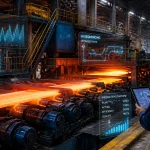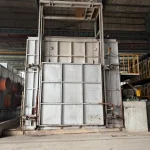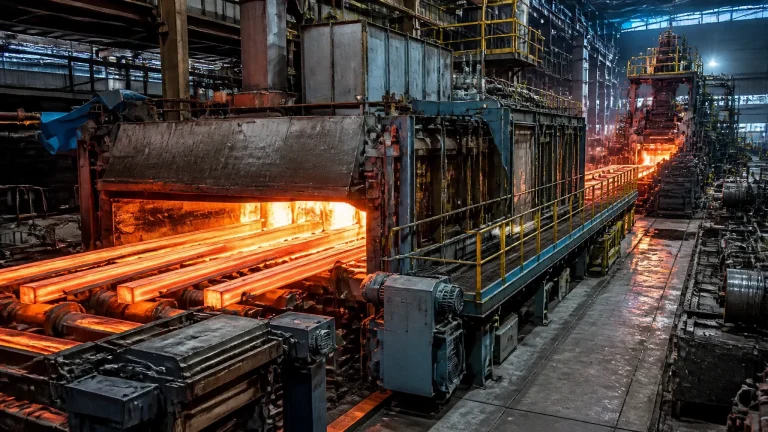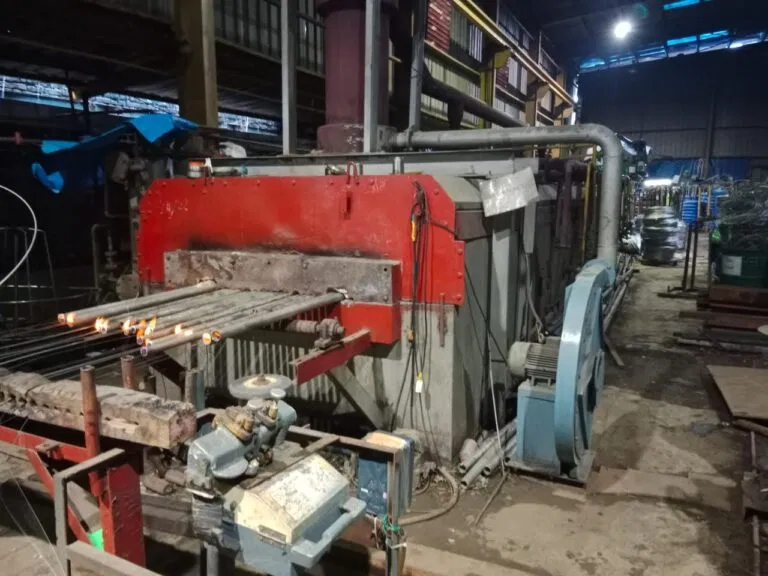
In the high-stakes arena of heavy industrial manufacturing, the melting furnace is the heart of your operation. Whether you are operating a steel rolling mill, a metal recycling furnace, or an aluminum melting furnace, the margin between profitability and operational deficit often rests on a few percentage points of thermal efficiency.
At Continental Furnaces, with over 35 years of tenure as a leading industrial furnace manufacturer, we have observed a recurring pattern: many facilities operate at 60–70% of their theoretical efficiency, unknowingly hemorrhaging capital through avoidable thermal and operational losses. As we navigate the complexities of 2026: where carbon taxes, rising energy costs, and Industry 4.0 integration are no longer optional: optimizing your industrial furnace systems is a strategic imperative.
Below, we dissect the ten primary reasons your furnace is underperforming and provide the technical roadmap to reclaim your competitive edge.
1. Refractory and Insulation Degradation
The most common thief of thermal energy is a compromised refractory lining. Over time, chemical erosion from slag and mechanical shock during charging lead to "hot spots" and thinning walls.
- The Impact: Increased shell temperatures lead to massive radiation losses and higher fuel consumption to maintain internal setpoints.
- The Fix: Implement thermal imaging audits every quarter. Transitioning to high-alumina castables or advanced ceramic fiber modules can reduce heat storage and cycle times by up to 15%.
2. Inconsistent Scrap Quality and Preparation
For a metal recycling furnace, the "garbage in, garbage out" rule applies literally. Charging uncleaned scrap: laden with oils, plastics, or excessive moisture: forces the furnace to expend energy on volatilizing contaminants rather than melting metal.
- The Impact: Increased slag volume, higher oxidation (burn-off) losses, and erratic chemistry.
- The Fix: Invest in scrap pre-processing and de-oiling systems. Utilizing thermal processing equipment designed for preheating scrap using exhaust gases can improve yield by 3-5%.
3. Sub-optimal Burner Calibration and Combustion
Many melting furnaces for steel still rely on legacy burner technology or manual air-to-fuel ratio controls. Improper oxygen levels lead to either incomplete combustion (wasted fuel) or excessive scale formation due to an oxidizing atmosphere.
- The Impact: Significant fuel waste and lower metal quality.
- The Fix: Upgrade to high-velocity, low-NOx burners with automated oxygen trim controls. Modern systems ensure an "ideal" flame envelope, maximizing radiant heat transfer to the melt.
4. Extended Tap-to-Tap Times
In a steel rolling mill environment, every minute the furnace sits "hot" without melting is a drain on ROI. Delays in charging, lab analysis, or ladle availability are silent killers of efficiency.
- The Impact: High specific energy consumption (kWh/t) due to holding losses.
- The Fix: Synchronize your melting shop with downstream operations. Implementing a centralized heat treatment furnace control deck helps manage bottlenecks in real-time.

5. Lack of Waste Heat Recovery (WHR)
In 2026, venting 600°C+ flue gases directly into the atmosphere is a failure of engineering.
- The Impact: Up to 40% of the energy input can be lost through the stack.
- The Fix: Install recuperators or regenerators to preheat combustion air. For larger facilities, waste heat can be diverted to hot dip galvanizing plants or steam generation, creating a "Circular Energy" model.
6. Poor Maintenance of Furnace Spare Parts
Using generic or poorly fitted furnace spare parts often leads to air ingress at door seals or burner ports.
- The Impact: Infiltration of cold air disrupts the internal pressure, forcing burners to work harder and cooling the refractory.
- The Fix: Only use ISO-certified furnace spares and accessories engineered for your specific model to ensure airtight integrity.
7. Inefficient Charging and Slagging Practices
Manual charging sequences that keep the furnace door open for extended periods cause a massive "thermal dump."
- The Impact: Sudden temperature drops that require high-power "ramping" to recover.
- The Fix: Transition to automated, high-speed charging systems or vibrating conveyors that minimize door-open time.
8. Outdated Control Systems (The Digital Gap)
If your furnace isn't feeding data into a PLC or an AI-driven optimization platform, you are flying blind.
- The Impact: Inability to track real-time KPIs like specific energy consumption or thermal trends.
- The Fix: Retrofit with Industry 4.0 sensors. Predictive maintenance algorithms can alert you to a failing component before it causes a 24-hour shutdown.
9. Atmospheric Inefficiency and Oxidation
In industries like the wire and cable industry, preventing oxidation is critical. If your furnace atmosphere isn't precisely controlled, you lose valuable metal to "scale."
- The Impact: Reduced metallic yield and poor surface quality of the final product.
- The Fix: Utilize nitrogen or argon blanketing systems and precise atmosphere monitoring to maintain a reducing environment.
10. Under-utilization and Frequent Cycling
Furnaces are designed to run. Frequent start-ups and shutdowns (thermal cycling) damage refractories and consume massive amounts of energy just to reach operating temperature.
- The Impact: Exponentially higher energy use per tonne of metal produced.
- The Fix: Optimize production scheduling to ensure long, continuous runs. If demand is variable, consider smaller, modular industrial batch furnaces rather than one oversized unit.
Comparative Analysis: Modern vs. Traditional Melting Systems
| Performance Metric | Traditional Furnace (Pre-2015) | Modern Continental System (2026) | Competitive Advantage |
|---|---|---|---|
| Specific Energy Consumption | 650 – 750 kWh/t | 480 – 550 kWh/t | ~25% Reduction |
| Metal Yield (Oxidation Loss) | 4% – 6% | < 1.5% | Significant Profit Gain |
| Refractory Life | 800 – 1,200 Heats | 2,500+ Heats | Lower OpEx |
| Automation Level | Manual / Push-button | AI-Driven / IoT Integrated | Minimal Human Error |
| Carbon Footprint | High | Low (WHR Integrated) | Regulatory Compliance |
The Continental Roadmap to Sustained Efficiency
Transforming an underperforming facility requires more than a "quick fix." We recommend a phased approach to modernization:
- Phase 1: Diagnostic Assessment: Our engineers conduct a full thermal audit, including flue gas analysis and thermography, to identify exact loss points.
- Phase 2: Targeted Modernization: We replace high-wear components and upgrade burners or control systems, ensuring the furnace spare parts used are of the highest metallurgical grade.
- Phase 3: Operational Optimization: We provide workforce training to ensure your operators are utilizing the new technology to its full potential, focusing on "Phase Change" management and charging logistics.

Conclusion: Secure Your Competitive Advantage
In an era where efficiency is synonymous with survival, operating a sub-par melting furnace for steel or metal recycling furnace is a luxury your bottom line cannot afford. The transition to high-performance, sustainable thermal processing is not merely an upgrade: it is a quantum leap in your manufacturing capability.
Continental Furnaces stands ready to be your enduring partner in this journey. With over three decades of engineering excellence, we don't just sell equipment; we deliver engineered profitability.
Is your furnace costing you more than it produces?
Contact our consulting team today for a comprehensive efficiency audit and take the first step toward a leaner, more profitable future.