As we navigate the third quarter of 2026, the industrial landscape is undergoing its most significant transformation since the dawn of the first industrial revolution. The "Thermal Frontier" is no longer a future concept: it is our current reality. Driven by aggressive global decarbonization mandates and the rapid advancement of Industry 4.0 technologies, the demand for high-efficiency industrial furnace systems has reached an all-time high.
At Continental Furnaces, our three decades of expertise have positioned us as a primary consultant for manufacturers transitioning through this energy-intensive era. The shift is clear: the industry is moving away from legacy fossil-fuel dependency toward precision-controlled, electrified thermal processing. For any industrial furnace manufacturer, the mandate in 2026 is unambiguous: deliver maximum yield with a minimal carbon footprint.
The Electrification Pivot: Efficiency by Design
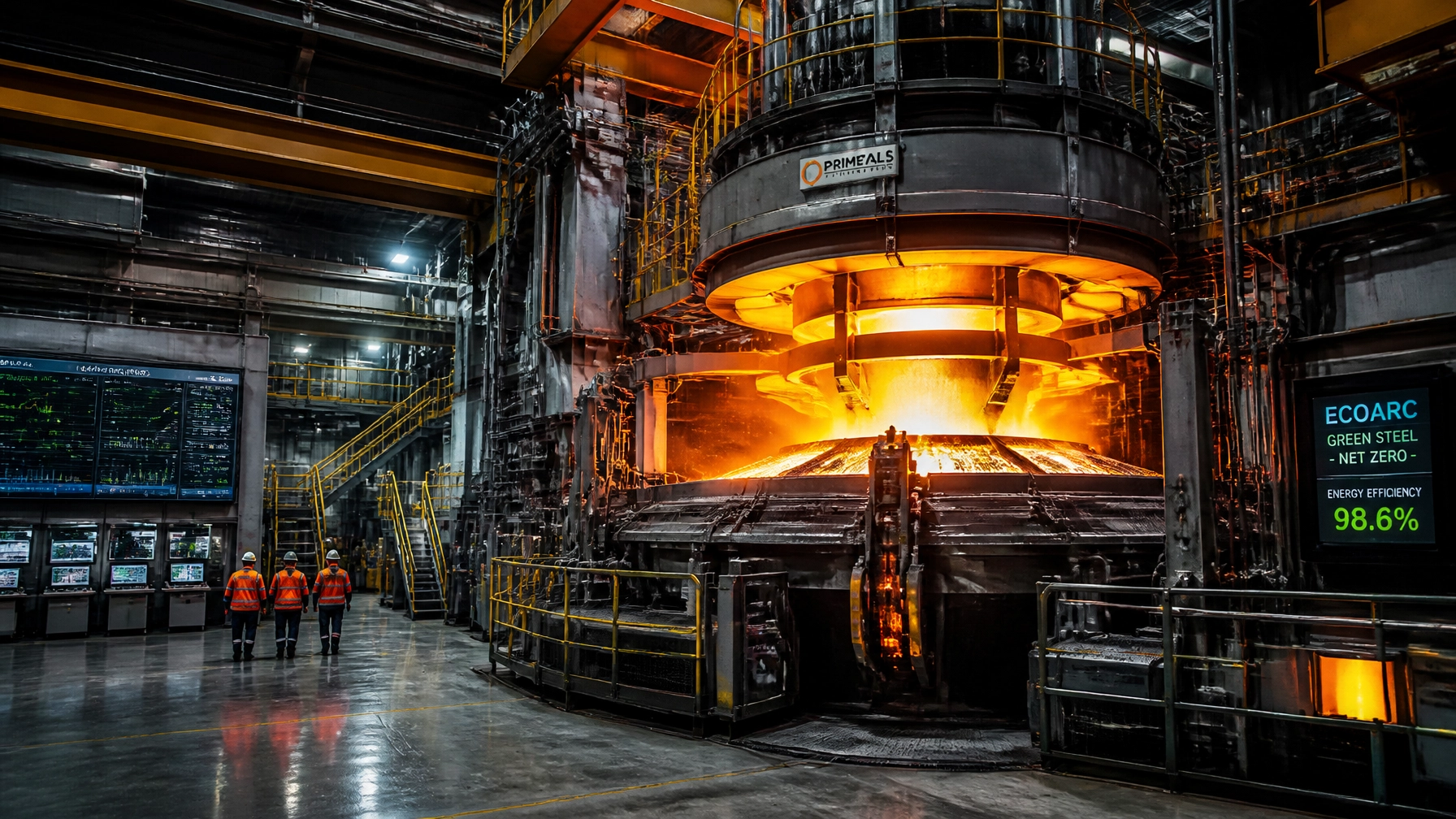
One of the most striking shifts in 2026 is the structural transition toward electric and induction heating. According to current market data, electric heating technologies now capture approximately 46.0% of the thermal processing segment, while traditional gas-fired units have seen their market share contract to just under 40%. This shift is not merely environmental; it is a matter of superior thermodynamics.
Comparing Thermal Efficiency Benchmarks
| Technology Type | Thermal Efficiency (%) | Average Energy Cost Savings (Annual) |
|---|---|---|
| Legacy Gas-Fired Furnaces | 45% – 55% | Baseline |
| Modern Induction Systems | 65% – 75% | $65,000 – $92,000 (per 6-ton unit) |
| High-Efficiency Resistance Furnaces | 80% – 85% | Varied based on throughput |
For sectors like the aluminum melting furnace market, the fiscal argument is undeniable. A 6-ton aluminum melter operating 6,000 hours per year can realize nearly $100,000 in energy savings annually by migrating to induction technology. This direct, volumetric heating eliminates the massive flue losses associated with combustion, ensuring that energy is deposited exactly where it is needed: within the metal.

Steel Manufacturing and the Modern Rolling Mill
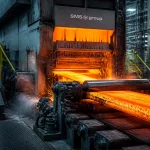
The steel rolling mill industry remains a cornerstone of global infrastructure, but the "best practice" benchmarks for 2026 have been drastically elevated. State-of-the-art walking-beam reheating furnaces now target fuel consumption ranges of 0.9–1.1 GJ per tonne of steel, a quantum leap over the 1.3–1.8 GJ/t seen in legacy mills.
Modern melting furnace for steel operations are also integrating into "The Circular Economy" through advanced metal recycling furnace designs. These systems allow for the efficient reprocessing of ferrous and non-ferrous scrap, reducing the energy intensity of primary production by up to 60%. At Continental Furnaces, we specialize in high-performance melting and recycling projects that prioritize high yield and low dross formation.
Core Advancements in 2026 Steel Processing:
- CCM and CCR Automation: Seamless integration between casting and rolling stages to minimize heat loss.
- Hydrogen-Ready Burners: Retrofitting existing combustion systems to handle hydrogen-blend fuels as a bridge to full electrification.
- Precision Atmosphere Control: Utilizing advanced sensors to eliminate oxidation and decarburization during the heating cycle.

Digitalization: The "Brain" of the Furnace
In 2026, an industrial furnace is only as good as its control system. Thermal processing equipment is no longer a "dumb" asset; it is a nodes in a plant-wide IoT ecosystem. Our latest technical insights reveal that digitalized controls are the highest-impact efficiency investments for 2026.
Modern heat treatment furnaces now utilize real-time analytics to adjust firing rates and atmosphere composition on the fly. This level of precision is essential for the wire and cable industry, where uniform annealing is critical for conductivity and mechanical integrity. By integrating "Digital Twin" technology, plant managers can simulate thermal cycles before a single kilowatt of energy is expended, ensuring 100% first-pass quality.

Sustainability in Surface Treatment: Galvanizing and Pickling
Beyond the furnace itself, the entire thermal processing line must meet 2026 standards for sustainability and safety. Our advanced hot dip galvanizing plant solutions incorporate high-velocity burners and optimized kettle designs to ensure uniform coating with minimal energy waste.
Furthermore, our pickling plants have evolved to focus on acid recovery and zero-liquid discharge (ZLD). In 2026, regulatory compliance is not just a hurdle but a competitive advantage. Facilities that adopt integrated, high-efficiency surface treatment lines find themselves better positioned for "Green Deal" certifications and favorable ESG ratings.
The Maintenance Roadmap: Protecting Your ROI
The lifecycle value of a furnace is largely determined by its upkeep. In an era where supply chains can still be volatile, maintaining a strategic inventory of furnace spare parts is a business imperative. Continental Furnaces provides a comprehensive suite of spares: from high-grade refractories to precision control sensors: ensuring that downtime is minimized and furnace longevity is maximized.
Phase-Based Modernization Roadmap:
- Phase 1: Assessment and Benchmarking (Months 1-2): Identifying the "Performance Gap" between current assets and 2026 best practices.
- Phase 2: Retrofitting & Digital Integration (Months 3-6): Implementing high-efficiency insulation and Industry 4.0 sensors.
- Phase 3: Strategic Replacement (Ongoing): Phasing out legacy gas assets for induction or electric systems in high-regulation zones.

Conclusion: Securing Your Competitive Advantage
The "Morning Edition" of 2026 presents a clear choice for industrial leaders: innovate or stagnate. The transition to zero-emission zones and high-efficiency thermal processing is no longer optional: it is the prerequisite for global market participation.
As an ISO-certified industrial furnace manufacturer, Continental Furnaces is committed to an enduring partnership with our clients. We don’t just provide hardware; we provide the engineering intelligence required to navigate the complexities of 2026 and beyond. Whether you are upgrading a steel rolling mill or seeking a more efficient aluminum melting furnace, our solutions are engineered for durability, profitability, and extreme energy efficiency.
Is your facility ready for the 2026 efficiency mandates?
Contact our technical consulting team today for a comprehensive thermal audit and modernization strategy. Let us help you turn thermal processing from a cost center into a sustained competitive advantage.