As we navigate the second half of 2026, the industrial landscape is undergoing a fundamental transformation. For decision-makers in the metallurgical and manufacturing sectors, the mandate is clear: transition from legacy thermal processing to high-efficiency, low-emission systems or risk obsolescence. At Continental Furnaces, a premier industrial furnace manufacturer with over 35 years of engineering excellence, we are witnessing a paradigm shift where energy efficiency is no longer a peripheral operational goal but the core driver of profitability and regulatory compliance.
This "Morning Edition" of our Industrial Insights series explores the critical 2026 trends: from AI-driven process optimization to the widespread adoption of induction reheating: that are redefining the performance benchmarks for every steel rolling mill and heat treatment facility globally.
The Decarbonization Imperative and EAF Expansion
The global steel industry is rapidly pivoting toward "Green Steel" initiatives. In 2026, the expansion of the Electric Arc Furnace (EAF) has become the primary pathway for decarbonization. Unlike traditional blast furnaces, modern EAF technology allows for a high degree of flexibility and significantly lower carbon intensity.
Central to this shift is the deployment of the high-capacity melting furnace for steel, designed to handle complex scrap mixes. As industrial operations strive for a circular economy, the metal recycling furnace has moved from the periphery to the center of the production chain. These systems are now engineered to maximize yield while minimizing energy consumption per ton, ensuring that secondary metallurgy meets the rigorous quality standards required by the automotive and aerospace industries.

AI-Driven Optimization and Digital Twin Integration
Perhaps the most significant technological "quantum leap" in 2026 is the integration of Artificial Intelligence and Digital Twins into industrial furnace systems. Traditional thermal processing often relied on conservative temperature settings and manual adjustments, leading to significant energy waste.
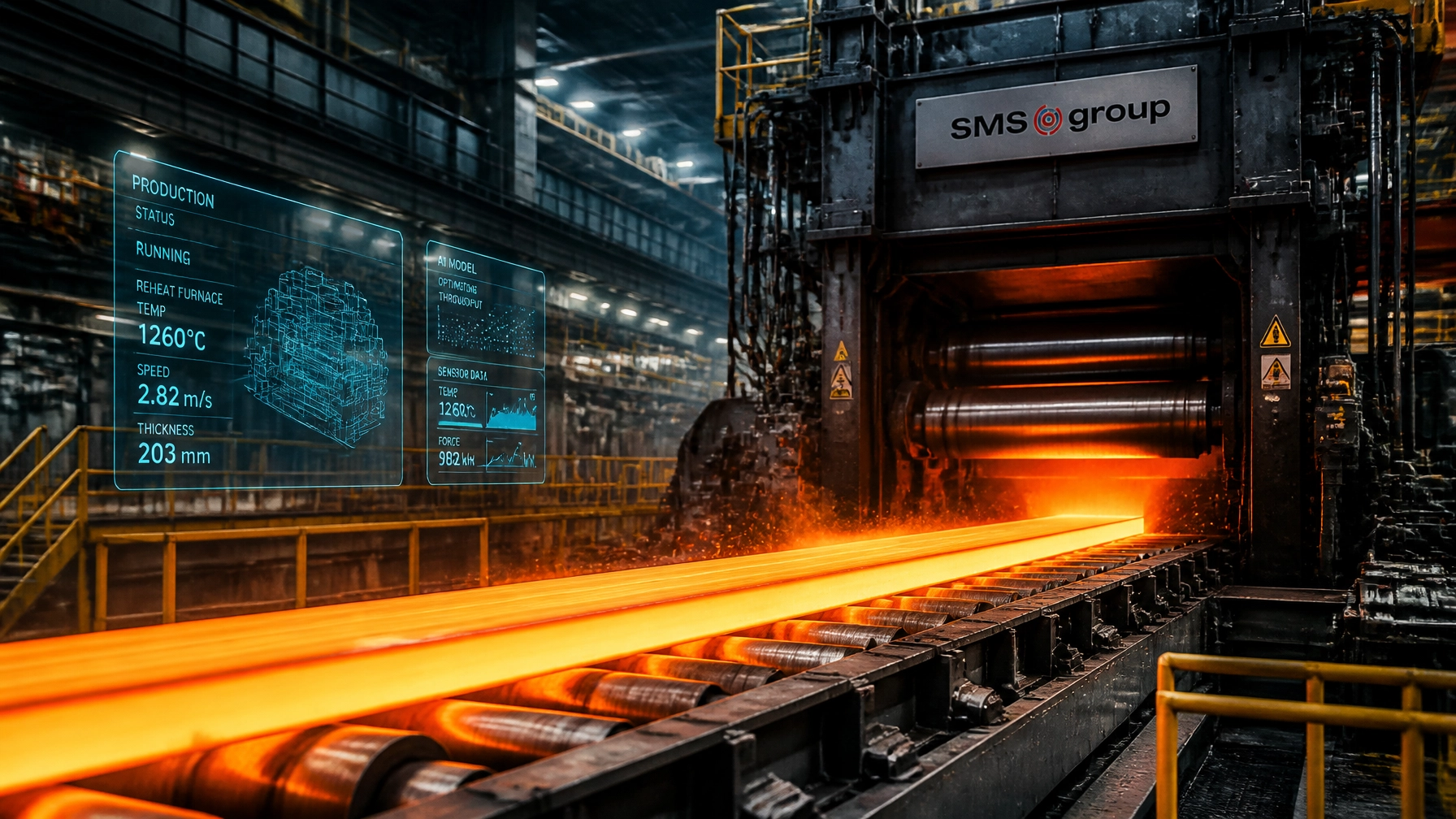
Today, advanced thermal processing equipment utilizes real-time sensor data to create a "Digital Twin": a virtual replica of the physical furnace. This allows for:
- Predictive Maintenance: Identifying potential failures in heating elements or refractories before they cause downtime.
- Precision Lock-Control: AI algorithms dynamically adjust burner firing rates and atmosphere composition to maintain exact temperature uniformity within +/- 2°C.
- Optimized Soak Times: Reducing the time metal spends at high temperatures, which directly lowers fuel consumption and scale formation.
For facilities operating complex heat treatment furnaces, these AI-driven control decks have become essential for maintaining the metallurgical integrity of high-performance alloys.

Revolutionizing the Steel Rolling Mill: Induction Reheating
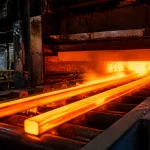
In the modern steel rolling mill, the reheating stage is traditionally the most energy-intensive. By July 2026, the industry has seen a massive shift toward induction reheating and precision-engineered walking-beam furnaces.
While traditional gas-fired reheating furnaces achieve roughly 45–55% thermal efficiency, modern induction systems utilized in cutting-edge rolling mills are reaching 65–75% efficiency. This technology provides nearly instantaneous heat, eliminating the need for long "warm-up" periods and significantly reducing the factory's overall carbon footprint. Furthermore, the integration of zero-waste manufacturing principles ensures that waste heat is recovered and repurposed for auxiliary plant processes, such as pre-heating combustion air or powering plant-wide climate control.
The Circular Economy: Aluminum and Non-Ferrous Efficiency
The push for sustainability is not limited to steel. The aluminum melting furnace has seen significant upgrades in 2026, particularly in multi-chamber designs that allow for the efficient processing of painted or contaminated scrap. These systems utilize advanced recycling solutions to recover energy from organic contaminants, effectively turning waste into fuel.
Additionally, for the wire and cable industry, high-efficiency vertical annealing furnaces and specialized wire industry solutions are now standard. These furnaces ensure consistent mechanical properties across kilometers of product, essential for the high-voltage transmission lines required for the global energy transition.

Comparative Analysis: Traditional vs. 2026 Modern Technology
To understand the empirical benefits of upgrading your thermal processing infrastructure, consider the following technical benchmarks:
| Performance Metric | Traditional Furnace (Pre-2022) | Modern 2026 System (Continental) | Competitive Advantage |
|---|---|---|---|
| Thermal Efficiency | 35% – 45% | 65% – 80% | ~40% Fuel Reduction |
| Temperature Control | +/- 10°C | +/- 2°C (Precision Lock) | Superior Metallurgy |
| Waste Heat Recovery | Minimal / None | Integrated Regenerative | Lower Operational Cost |
| Data Integration | Manual Logs | Real-Time Digital Twin | Predictive Uptime |
| ROI Period | 5 – 7 Years | 2 – 3 Years | Rapid Capital Recovery |
Strategic Roadmap for Furnace Modernization
Continental Furnaces approaches every client engagement as an enduring partnership. For organizations looking to modernize their hot dip galvanizing plant or steel processing line, we recommend a phased approach:
Phase 1: Thermal Audit & Baseline Assessment
Our engineers perform a granular analysis of your current energy consumption, flue gas temperatures, and heat loss. This data-driven phase establishes the empirical baseline for your ROI calculations.
Phase 2: AI & Control System Retrofitting
Before replacing hardware, we often implement AI-driven control systems and precision sensors. This "Digital First" approach can yield immediate efficiency gains of 10-15% with minimal capital expenditure.
Phase 3: Hardware Upgrade & Component Replacement
Utilizing high-quality furnace spare parts: including high-emissivity ceramic coatings and regenerative burners: we optimize the physical thermal envelope. For many, this includes transitioning to hybrid gas-electric systems.
Phase 4: Full System Integration (Industry 4.0)
The final phase involves integrating the furnace into the plant-wide ERP and Digital Twin environment, ensuring that the steel rolling mill operates at peak theoretical efficiency 24/7.

Sustained Competitive Advantage with Continental Furnaces
As an ISO-certified leader in the industry, Continental Furnaces provides more than just hardware; we provide strategic thermal solutions. Whether you are operating a hot dip galvanizing plant for corrosion protection or a high-throughput steel rolling mill, the technological shifts of 2026 present a unique opportunity to secure a sustained competitive advantage.
Our 35+ years of expertise allow us to navigate these "quantum leaps" in technology with confidence, delivering customized solutions that align with your specific industrial applications.
Is your facility ready for the efficiency standards of 2026?
Don't let legacy equipment compromise your profitability. Contact Continental Furnaces today for a comprehensive thermal processing consultation. Let us engineer your transition to the future of high-performance, sustainable manufacturing.