The industrial furnace sector is entering a decisive phase in 2026. Energy volatility, stricter emissions expectations, rising quality requirements and persistent pressure to reduce unplanned downtime are reshaping investment decisions across steel, non-ferrous metals, recycling, galvanizing and wire production.
For plant managers, the priority is no longer simply installing a high-temperature furnace. The objective is to build a connected, maintainable and energy-efficient thermal processing platform that protects yield throughout its operating life.
This Afternoon Edition focuses on three priorities:
- Advanced furnace technology updates for 2026
- Maintenance strategies that protect uptime and product quality
- A practical roadmap for modernizing existing industrial furnace systems
2026 Technology Direction: Efficiency, Electrification and Connectivity
The strongest technology shift in 2026 is the convergence of electrified heating, hydrogen-ready combustion and Industry 4.0 controls.
Electric heating is gaining momentum in heat treatment and controlled-atmosphere applications because it provides precise control, clean operation and direct compatibility with automated recipes. Research and industry reporting indicate that electric heating technologies could represent approximately 46% of furnace heating technology demand in 2026, depending on market definition and application.
Induction systems are also attracting attention for their rapid heat transfer and high controllability. Comparative industry estimates place induction efficiency at approximately 65–75%, compared with 45–55% for conventional gas heating in certain melting applications. Actual results depend on furnace design, charge material, operating schedule and power quality.

Key updates plant leaders should evaluate
- Electric radiant heating: Retrofit-ready electric heaters are being developed as alternatives to radiant tube burners, allowing some existing furnace shells to be modernized without complete replacement.
- Hydrogen-ready combustion: Burner manufacturers are testing hydrogen blending and hydrogen-capable systems with focus on flame stability, heat transfer and NOₓ management. Fives’ hydrogen burner developments provide a useful example of this direction.
- Connected controls: OPC UA-based architectures are improving communication between sensors, PLCs, HMIs, energy meters and plant-level analytics. The 2026 OPC UA Devices standardization activity is relevant for multi-vendor integration; see the OPC UA Devices overview.
- Digital energy management: Operators can track kWh per batch, fuel consumption per tonne, temperature uniformity, cycle time and alarm history from a centralized dashboard.
- Predictive maintenance: Vibration, temperature, pressure, flame quality and energy-consumption trends identify degradation before a failure stops production.
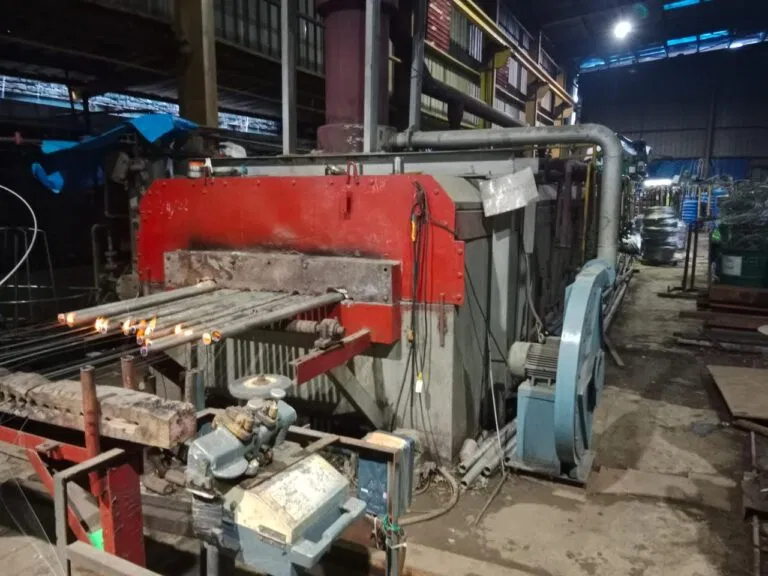
For a steel rolling mill, these upgrades are especially important. A billet reheating furnace must heat billets to approximately 1,200–1,250°C while maintaining uniformity across the billet length and cross-section. A deviation of only a few degrees can influence rolling force, surface quality, scale formation and dimensional consistency.
Continental Furnaces’ work in billet reheating furnace engineering highlights the importance of multi-zone control, waste-heat recovery and synchronized discharge.
Maintenance Is a Production Strategy, Not a Repair Activity
A furnace maintenance programme must protect four business outcomes:
- Thermal performance
- Metallurgical quality
- Personnel and equipment safety
- Production continuity
Reactive maintenance is expensive because furnace downtime often involves cooling, inspection, repair, refractory dry-out and controlled reheating. A component that costs a few thousand rupees can therefore create a production interruption worth several lakhs: or significantly more in a high-throughput facility.
Daily and shift-level checks
Operators should document the following at every shift:
- Furnace temperature, pressure and zone balance
- Burner flame stability and ignition performance
- Fuel or electrical-load trends
- Door seals, gaskets and inspection ports
- Cooling-water flow and leakage
- Unusual vibration from fans, drives and conveyors
- Flue-gas oxygen and carbon monoxide readings where applicable
- Alarm history and deviations from the approved recipe
A stable process record is essential. If the plant does not trend performance, it cannot predict failure.
Weekly and monthly inspections
Maintenance teams should schedule:
- Burner nozzle and pilot cleaning
- Combustion-air passage inspection
- Fan, blower and bearing checks
- Thermocouple and sensor verification
- Refractory inspection for cracks, spalling and hot spots
- Flue and duct inspection
- Door alignment and seal replacement
- Electrical-panel cleaning and terminal tightening
- Safety-interlock and flame-failure system testing
Thermocouples deserve particular attention. Drift can lead to over-heating, under-heating, rejected batches and unnecessary energy consumption. Frequently used thermocouples should be calibrated against a reference standard and replaced according to condition, duty cycle and historical drift: not merely after failure.
Refractory, Burners and Furnace Spare Parts: The Reliability Triangle
Refractory degradation is often visible first as a hot spot on the outer shell, a rising energy bill or inconsistent temperature distribution. Infrared thermography and zone-based inspection identify damage before it becomes a structural or safety event.
Track refractory condition by:
- Hearth
- Roof
- Burner blocks
- Sidewalls
- Door surrounds
- Slag line
- High-wear loading and discharge zones
Burner maintenance must include air-fuel ratio verification, flame-pattern checks and gas-train inspection. Excess air increases heat loss; insufficient air increases carbon monoxide, soot and incomplete combustion. Industry maintenance guidance commonly uses low CO readings: often below 50 ppm in flue gas: as an important operating reference, subject to local regulations and OEM specifications.
A robust inventory of furnace spare parts is equally essential. Critical items should be classified by failure impact and lead time.
| Component category | Recommended approach | Business benefit |
|---|---|---|
| Thermocouples, gaskets and fuses | Maintain on-site stock | Immediate replacement |
| Burner tips, valves and ignition units | Planned replacement kits | Lower emergency risk |
| PLC, HMI and control modules | Obsolescence review every 12 months | Avoid unsupported systems |
| Refractory materials | Stock by furnace zone | Faster shutdown execution |
| Fans, motors and drives | Condition monitoring plus strategic spares | Reduced recovery time |
| Crucibles and lifting components | Inspect by cycle count | Safer melting operations |
Continental Furnaces’ guidance on annealing furnace service support and parts availability reinforces a central principle: after-sales engineering is part of furnace performance.
Application Focus: From Steel Melting to Wire and Cable Processing
A melting furnace for steel requires robust refractory engineering, accurate charge management, reliable temperature measurement and safe tapping procedures. For non-ferrous applications, a rotary or tilting aluminum melting furnace must additionally control oxidation, dross formation and metal recovery.
Modern aluminum recycling systems can achieve metal recovery rates approaching 99% in optimized applications. Continental Furnaces’ industrial aluminum melting furnace applications discusses how controlled atmospheres, automated charging and improved heat transfer influence yield.
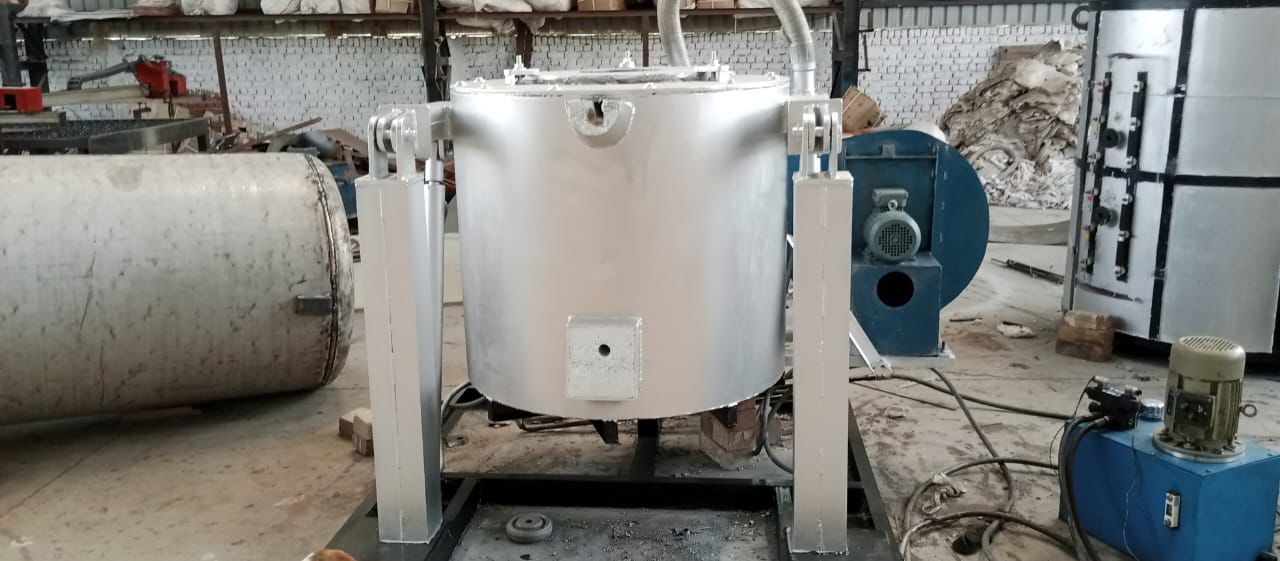
The wire and cable industry presents a different challenge. Continuous annealing and vertical furnace lines must maintain stable temperature, tension, atmosphere and line speed. A small process deviation can affect conductivity, ductility, surface finish and downstream drawing performance.
For these operations, predictive maintenance should monitor:
- Line speed against furnace temperature
- Coil or wire residence time
- Atmosphere composition
- Cooling-water flow
- Heating-element current
- Product temperature at discharge
- Motor and drive vibration
The same lifecycle principle applies to a hot dip galvanizing plant. Bath temperature, strip speed, furnace atmosphere, zinc quality and coating thickness must remain synchronized. Furnace reliability directly influences coating consistency and corrosion performance.
2026 Maintenance Roadmap for Industrial Thermal Processing Equipment
Phase 1: Assessment and planning : Weeks 1–4
Establish a technical baseline before purchasing upgrades.
- Record specific energy consumption in kWh or fuel units per tonne
- Map downtime by component and failure mode
- Inspect refractory and burner condition
- Review temperature-uniformity data
- Audit critical spare parts
- Check PLC, HMI and sensor obsolescence
- Identify compliance and emissions gaps
Phase 2: Reliability improvements : Weeks 5–12
Address high-impact weaknesses first.
- Repair door seals and refractory hot spots
- Calibrate thermocouples and pressure instruments
- Tune combustion systems
- Test interlocks and emergency shutdowns
- Create standard inspection checklists
- Build minimum stock levels for critical furnace spare parts
- Link maintenance records to heat cycles or operating hours
Phase 3: Digital integration : Months 3–6
Connect the furnace to the plant’s operating data structure.
- Install energy meters and condition sensors
- Standardize alarm and failure codes
- Introduce remote diagnostics where appropriate
- Build dashboards for energy, quality and downtime
- Integrate furnace data with a CMMS or maintenance platform
- Evaluate OPC UA or other open communication protocols
Phase 4: Technology modernization : Months 6–18
Select the appropriate decarbonization pathway.
- Electric heater retrofit
- Induction melting
- Recuperative or regenerative heat recovery
- Hydrogen-ready burner replacement
- Improved insulation and refractory systems
- Automated charging, loading or material handling
- Advanced emissions monitoring
The correct solution depends on production volume, alloy or steel grade, available power, fuel infrastructure, product specification and local compliance requirements. A responsible industrial furnace manufacturer must evaluate the complete process: not sell a disconnected furnace package.
The Circular Economy and Lifecycle Value
A modern metal recycling furnace creates value far beyond scrap conversion. It supports a closed-loop material strategy, reduces dependence on virgin feedstock and improves sustainability reporting.
Recycled aluminum, for example, requires a fraction of the energy associated with primary production. In steel, improved recovery of internal scrap can reduce raw-material exposure and stabilize supply. In both cases, furnace design determines whether the circular economy produces genuine profitability or merely transfers waste into energy and maintenance costs.
That is why thermal systems should be evaluated through total cost of ownership:
- Energy consumption
- Yield and oxidation losses
- Labour requirements
- Refractory life
- Planned and unplanned downtime
- Emissions-control costs
- Availability of service and spare parts
- Upgrade potential over a 15–20-year lifecycle
Conclusion: Engineer the Next Competitive Advantage
The 2026 industrial furnace market rewards facilities that combine thermal precision, predictive maintenance, energy intelligence and lifecycle support.
Whether your operation requires heat treatment furnaces for precision components, a melting furnace for steel, an aluminum melting furnace for recycling, a galvanizing line or continuous equipment for the wire and cable industry, the engineering decision must be based on measurable production value.
Continental Furnaces brings more than 35 years of thermal-processing expertise, ISO-oriented quality systems, customized engineering and responsive technical support to every project. Explore our technical insights or contact Continental Furnaces to assess your current furnace performance and define a modernization roadmap.
Make furnace reliability, energy efficiency and lifecycle support the foundation of your next sustained competitive advantage.
Technical References