In the demanding world of high-stakes industrial manufacturing, the margin for error in thermal processing is virtually non-existent. For over 35 years, Continental Furnaces has served as a strategic consultant and premier industrial furnace manufacturer, observing a recurring pattern: even the most sophisticated facilities often fall victim to avoidable technical oversights. These errors do more than just compromise metallurgical integrity; they erode profitability and balloon energy expenditures.
When managing heat treatment furnaces, whether in a steel rolling mill or a specialized facility for the Wire and cable industry, the difference between operational excellence and costly failure lies in the details. This morning edition explores the critical mistakes currently plaguing the industry and provides a technical roadmap for correction.
1. The Cost of Thermal Inefficiency: Neglecting the "Energy Leak"
One of the most prevalent mistakes in modern manufacturing is the failure to address air infiltration and degraded refractory linings. In an era where energy efficiency is not merely a preference but a regulatory and financial mandate, operating a furnace with compromised seals is a recipe for disaster.
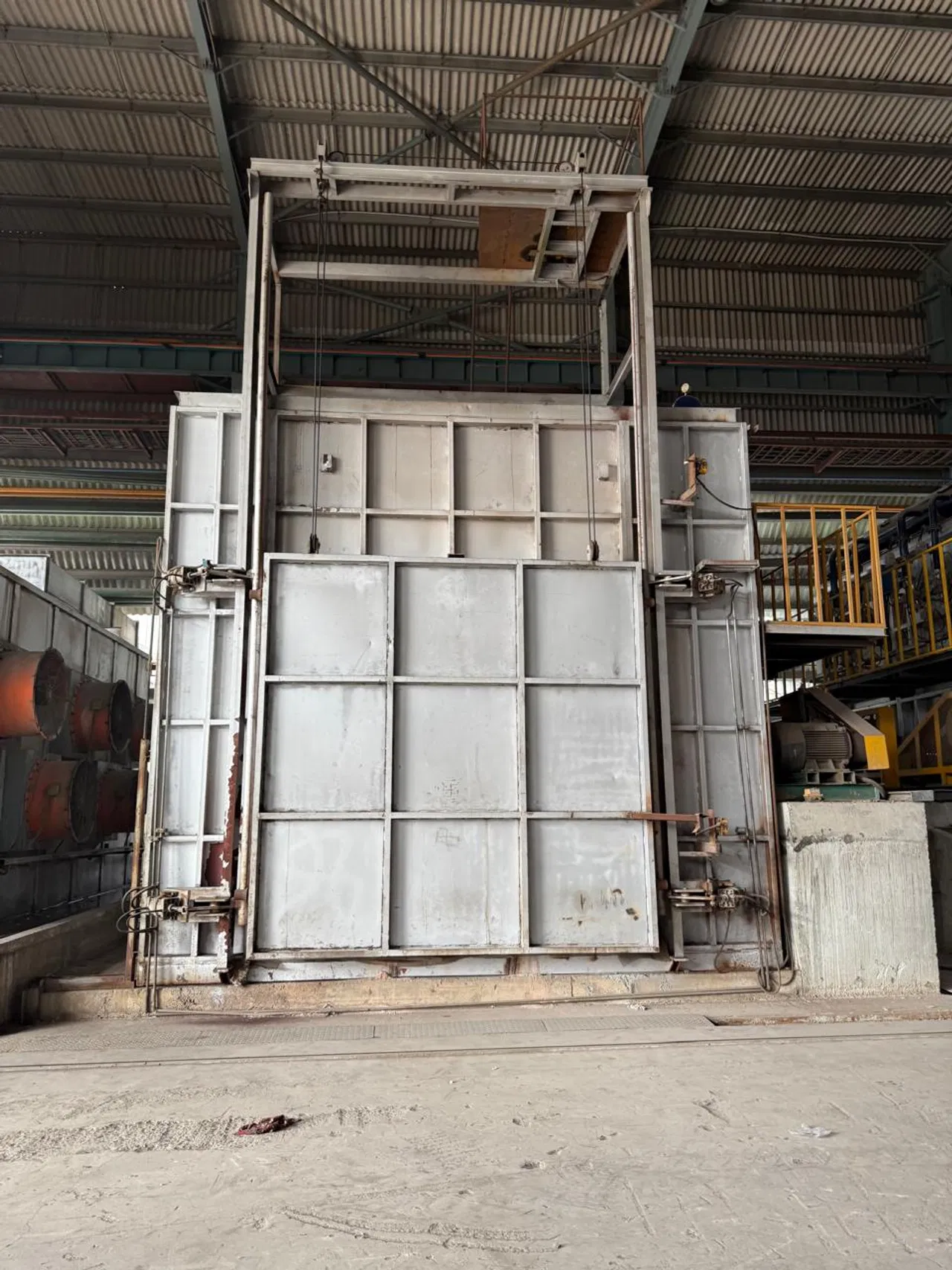
Air infiltration into the furnace chamber forces the system to consume significantly more fuel or electricity to maintain the setpoint. For a melting furnace for steel, even a minor breach in the door gasket can result in an 8% to 15% increase in energy consumption. Furthermore, the introduction of ambient air disrupts the atmosphere control, leading to unwanted oxidation and decarburization of the workload.
Key Performance Indicators (KPIs) to Monitor:
- Surface Temperature of the Shell: If the outer casing exceeds 60°C above ambient, your refractory lining is failing.
- Fuel-to-Product Ratio: A sudden spike in GJ/tonne indicates an integrity breach.
- Atmosphere Recovery Time: Sluggish recovery after door cycles signals poor sealing.
2. Precision or Guesswork? The Calibration Crisis
In thermal processing equipment, precision is the baseline. Yet, many operations continue to rely on uncalibrated thermocouples and outdated control systems. Industrial furnace systems are only as accurate as their sensors.

A common mistake is neglecting the Temperature Uniformity Survey (TUS). Without a rigorous TUS, your furnace may have "cold spots" that result in inconsistent hardness or "hot spots" that cause grain growth and distortion. In high-performance sectors like automotive or aerospace, these deviations are unacceptable. Relying on a single control thermocouple to represent the entire furnace volume is a strategic error that Continental Furnaces consistently helps clients rectify through advanced multi-zone control logic.
3. Suboptimal Loading and Soak Times
The temptation to maximize throughput by overloading a furnace is understandable but often counterproductive. Overloading restricts airflow and radiation pathways, leading to extended cycle times and non-uniform heating.
Conversely, "padding" soak times out of a lack of metallurgical confidence is an "energy thief." If your process requires a 2-hour soak but you run for 3 hours "to be safe," you are effectively wasting 50% of the energy consumed during that hold period. By utilizing data-driven assertions and verifying your heat treatment furnaces through actual part-thermocouple testing, you can optimize cycle times and improve your plant's overall yield.
4. The Reactive Maintenance Trap
Many facilities operate on a "break-fix" model, only addressing issues when the furnace fails. This approach is catastrophic for steel rolling mill operations where downtime is measured in thousands of dollars per hour.
A sophisticated maintenance strategy involves maintaining a robust inventory of furnace spare parts and conducting preventive inspections. Neglecting high-wear items: such as burner nozzles, heating elements, and fan bearings: leads to catastrophic failure. As a leading industrial furnace manufacturer, we emphasize that a planned 4-hour maintenance window is far superior to a 48-hour emergency shutdown.

Technical Comparison: Traditional vs. Modern High-Efficiency Systems
To understand the "quantum leap" in performance offered by modern engineering, consider the following comparative metrics between traditional legacy furnaces and Continental Furnaces’ state-of-the-art solutions.
| Feature | Legacy Systems (Pre-2010) | Modern High-Efficiency Systems | Impact on ROI |
|---|---|---|---|
| Insulation Technology | Firebrick/Standard Fiber | High-Density Bio-Soluble Fiber | 20-30% Reduction in heat loss |
| Control Accuracy | ±10°C to 15°C | ±3°C to 5°C (NADCAP Compliant) | Zero scrap/rework |
| Automation | Manual/Simple PLC | Industry 4.0 / SCADA Integrated | 15% Reduction in labor costs |
| Energy Recovery | None | Recuperative/Regenerative Burners | Up to 40% fuel savings |
| Maintenance | Reactive | Predictive (IoT Monitoring) | 50% Increase in uptime |
5. Overlooking Specialized Melting and Coating Processes
While much focus is placed on annealing and hardening, mistakes are equally common in specialized equipment like the aluminum melting furnace or a metal recycling furnace. In these systems, improper fluxing and poor dross management lead to high metal loss and poor melt quality.
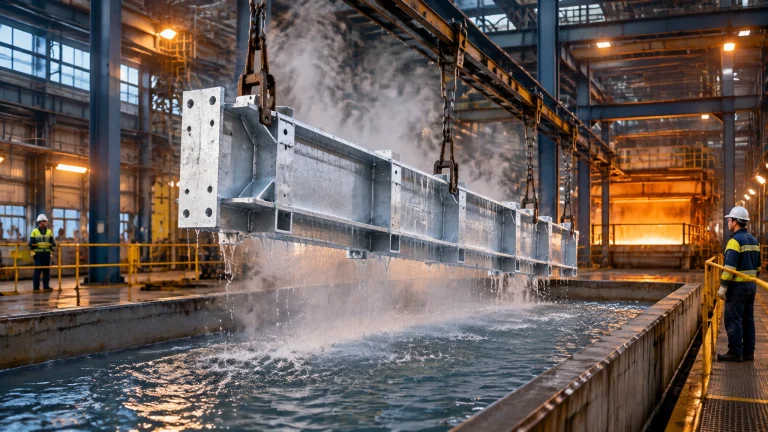
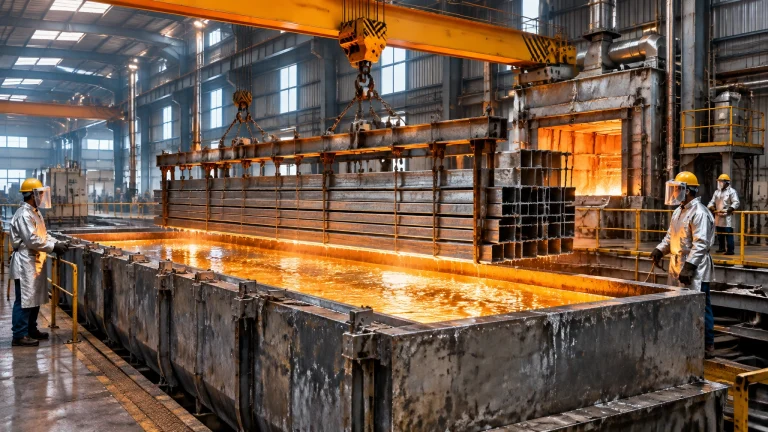
Similarly, in a hot dip galvanizing plant, inconsistent temperature control in the zinc kettle doesn't just affect the coating quality: it shortens the lifespan of the kettle itself. Integrating advanced thermal processing equipment ensures that temperature gradients are minimized, extending the life of your capital assets.

Phase-Based Roadmap for Furnace Optimization
Transitioning from a legacy operation to an optimized, high-performance facility requires a structured approach. Continental Furnaces recommends the following roadmap:
Phase 1: The Thermal Audit
Conduct a comprehensive assessment of your current industrial furnace systems. This includes infrared thermography to detect heat leaks, combustion analysis to verify burner efficiency, and a full TUS to map temperature uniformity.
Phase 2: Technical Upgrades
Implement "low-hanging fruit" upgrades. Replace worn seals, recalibrate sensors, and upgrade to high-efficiency furnace spare parts. For older systems, consider a control system retrofit to enable better data logging and precision.
Phase 3: Strategic Integration
For operations like a steel rolling mill or a hot dip galvanizing plant, integrate your furnace data into a centralized SCADA system. This aligns with Industry 4.0 principles, allowing for real-time optimization of energy use based on current production loads.
The Future of Thermal Processing: Sustainability and Industry 4.0
The industrial landscape is shifting toward "The Circular Economy." This transition necessitates a move away from inefficient, high-emission thermal processes. As a forward-thinking industrial furnace manufacturer, we are engineering solutions that prioritize sustainability without sacrificing profitability.

Modern metal recycling furnaces and aluminum melting furnaces now utilize regenerative burner technology that captures waste heat from exhaust gases to preheat combustion air. This isn't just an "environmental choice"; it is an essential strategy for maintaining a sustained competitive advantage in a global market where carbon taxes and energy costs are rising.
Conclusion: Securing Your Strategic Advantage
Avoiding common mistakes in heat treatment is not merely about maintenance; it is about adopting a culture of technical excellence. From the Wire and cable industry to the massive scale of a steel rolling mill, the integrity of your thermal processing determines the quality of your output and the health of your bottom line.
Continental Furnaces is more than a supplier; we are your partner in engineering excellence. With over three decades of expertise, we provide the customized solutions and technical wisdom required to navigate the complexities of modern manufacturing.
Take the next step toward operational supremacy. Contact our engineering team today for a strategic consultation and discover how our advanced heat treatment furnaces and industrial furnace systems can transform your production facility.
Learn more about our Wire Industry Solutions | Explore Workplace Safety in Furnaces