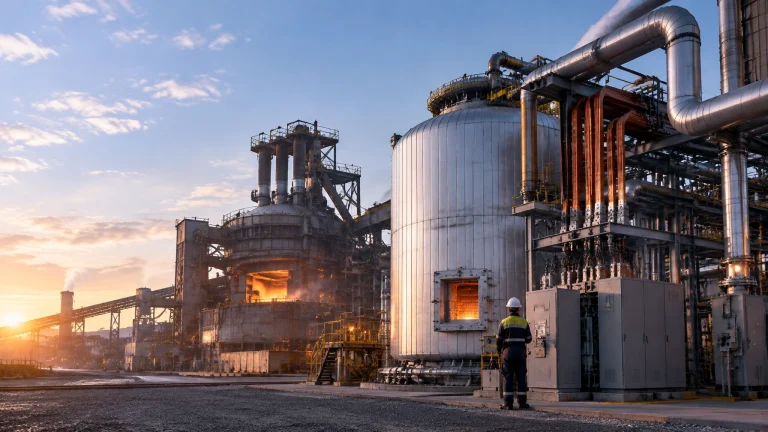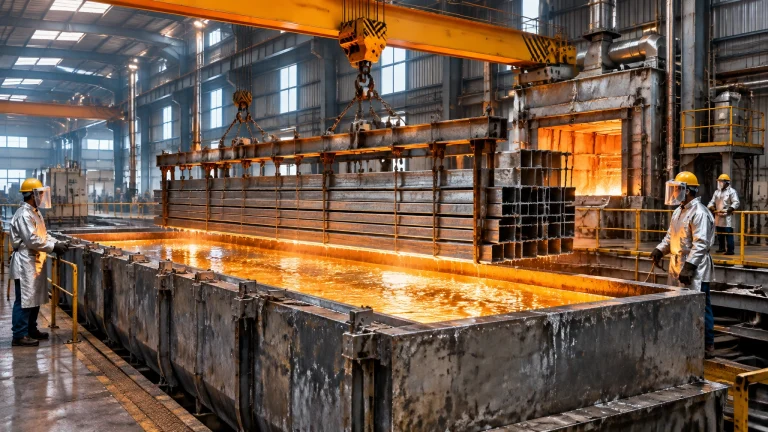
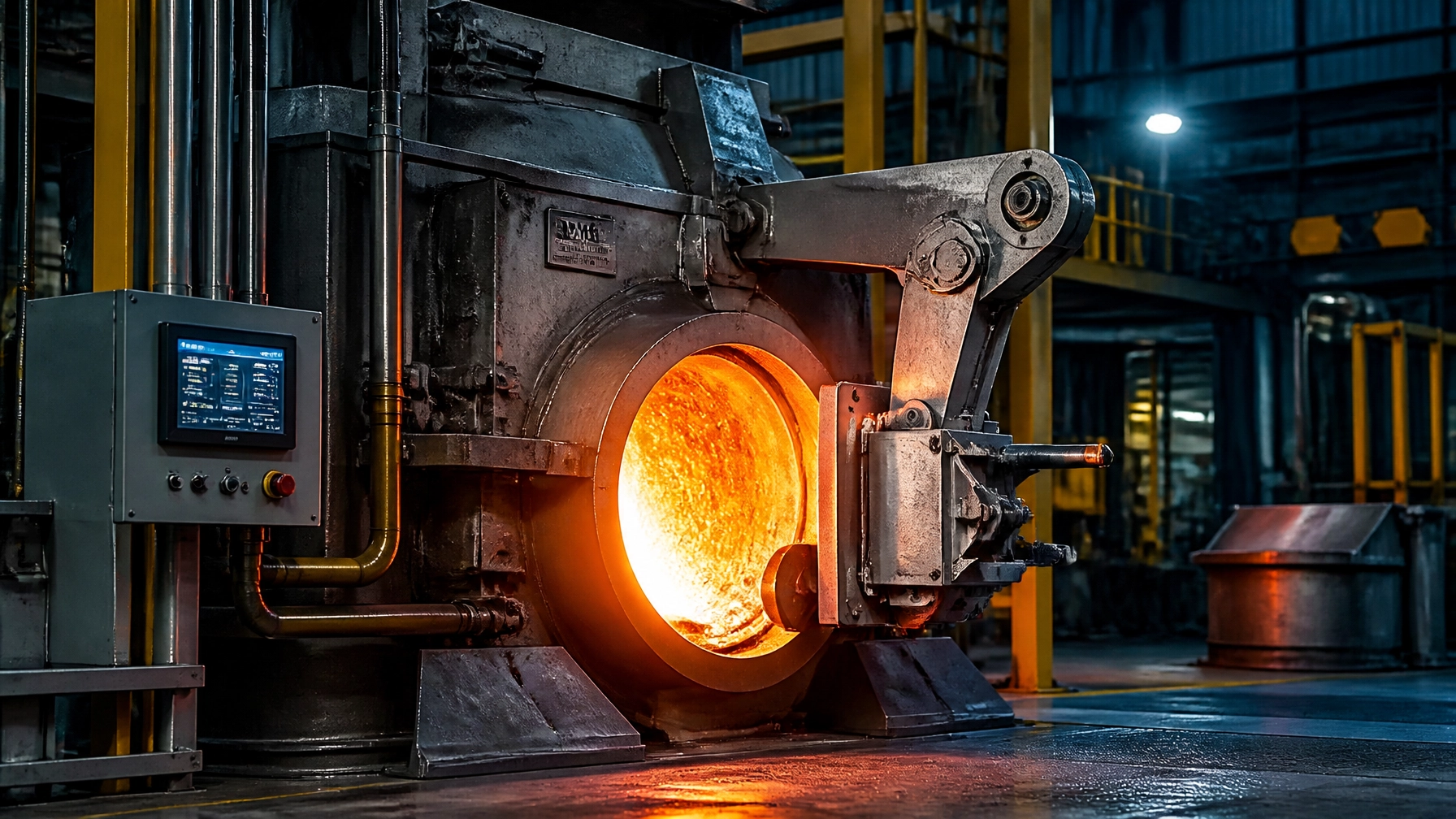
In the rapidly evolving landscape of non-ferrous metallurgy, the aluminum melting furnace stands as the cornerstone of production efficiency and metallurgical integrity. As a seasoned industrial furnace manufacturer with over 35 years of technical tenure, Continental Furnaces has observed a decisive shift in global manufacturing: the transition from simple thermal processing to integrated, high-yield industrial furnace systems that align with Industry 4.0 standards.
Whether you are operating a steel rolling mill looking to diversify into aluminum or a dedicated facility in the wire and cable industry, selecting the correct thermal solution is not merely a procurement decision: it is a strategic investment in long-term profitability and regulatory compliance.
The Technical Landscape: Classifying Melting Technologies
The selection of a furnace must be dictated by your specific throughput requirements, scrap grade, and final product specifications. Below, we categorize the primary technologies currently driving the market.
1. Reverberatory Furnaces (Wet and Dry Hearth)
These are the workhorses of large-scale casting houses. In a reverberatory system, the heat source is located above the metal, with the flame and hot gases "reverberating" off the refractory lining into the melt.
- Best for: High-volume ingot production and primary aluminum melting.
- Key Benefit: High capacity (often exceeding 50 tonnes) and relative ease of charging.
2. Stack Melters and Tower Furnaces
Designed with a vertical shaft, these units utilize flue gases to preheat the solid charge before it reaches the hearth. This configuration represents a quantum leap in thermal efficiency compared to traditional designs.
- Specific Energy Consumption (SEC): Reductions of up to 40% compared to standard reverberatory furnaces.
- Yield: Enhanced by minimizing the residence time of cold metal in the oxidation zone.
3. Rotary Tilting Furnaces (URTF)
As the metal recycling furnace market expands, the Universal Rotary Tilting Furnace has become essential for processing dross and low-grade scrap. Its mechanical rotation ensures uniform heat distribution and superior flux-metal interaction.
4. Induction Melting Systems
Utilizing electromagnetic fields to generate heat directly within the metal, induction furnaces offer the highest level of temperature control and minimal melt loss. These are increasingly utilized for high-purity alloys and specialized components in the automotive and aerospace sectors.

Comparative Performance Metrics: Modern vs. Legacy Systems
To understand the ROI of upgrading your thermal processing equipment, consider the following empirical benchmarks:
| Feature | Legacy Fuel-Fired Furnace | Modern Integrated System (Continental) |
|---|---|---|
| Specific Energy Consumption | 1,000 – 1,200 kWh/t | 550 – 650 kWh/t |
| Metal Oxidation Loss | 3.0% – 5.0% | 0.8% – 1.5% |
| Burner Technology | Standard Atmospheric | High-Velocity Regenerative |
| Control Interface | Manual / Analog | PLC-Based with SCADA Integration |
| Maintenance Cycle | High Frequency (Frequent Refractory Patching) | Extended via Advanced Control Systems |
The Strategic Roadmap: A 4-Phase Implementation Guide
Implementing a high-performance aluminum melting furnace requires a structured approach to ensure the system integrates seamlessly with your downstream rolling mill industry assets, such as CCR (Continuous Casting and Rolling) and CCM (Continuous Casting Machine) lines.
Phase 1: Technical Assessment and Load Analysis
We begin by evaluating your "thermal footprint." This involves calculating the required thermal head: typically 170°C to 220°C above the melt temperature: to maintain rated capacity without compromising the longevity of furnace spare parts.
Phase 2: Custom Engineering and Digital Simulation
Utilizing 3D animations and CAD modeling, our engineering team designs the hearth geometry and burner placement to maximize heat transfer. This phase ensures that the furnace can handle varying scrap mixes, from clean ingots to painted profiles and UBC (Used Beverage Cans).
Phase 3: Installation and Integration
A furnace is only as effective as its integration. We focus on the interface between the melting unit and the holding/dosing furnace, ensuring a stable flow of molten metal into the casting line. This is critical for facilities producing high-spec wire and cable products.
Phase 4: Lifecycle Support and Optimization
Our commitment transitions into an enduring partnership. We provide 24/7 technical support and performance monitoring to ensure the system consistently hits its KPIs (Key Performance Indicators) for fuel economy and metal yield.

Sustainability and the Circular Economy
In the modern B2B environment, "sustainability" is no longer a buzzword; it is a prerequisite for entry into global supply chains. Aluminum is infinitely recyclable, requiring only 5% of the energy used in primary production. However, to capture this value, your metal recycling furnace must be capable of handling organic contaminants without increasing emissions.
Our latest recycling technologies incorporate VOC (Volatile Organic Compound) incineration systems that utilize the energy from painted or oiled scrap to contribute to the melting process, further driving down the cost per tonne.
Integration with Downstream Operations
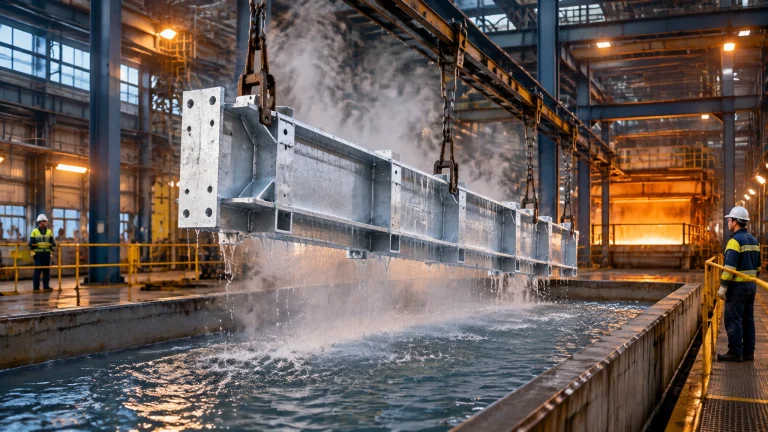
For operators of a hot dip galvanizing plant or a melting furnace for steel, the principles of heat management remain consistent, yet aluminum presents unique challenges in terms of dross formation and oxidation. Continental Furnaces specializes in bridging these gaps, providing versatile heat treatment furnaces that can be calibrated for various metallurgical requirements.
Our solutions for the rolling mill industry include:
- Automatic Steel Rolling Mills: High-precision reheating furnaces.
- CCR/CCM Lines: Specialized holding furnaces that maintain ±2°C temperature stability.
- Wire Mill Integration: Vertical annealing furnaces designed for continuous processing.

Conclusion: Achieving Sustained Competitive Advantage
The path to leadership in the thermal processing industry is paved with data-driven decisions and superior engineering. An aluminum melting furnace from Continental Furnaces is not just a piece of hardware; it is a high-performance engine designed to drive your facility's yield, efficiency, and profitability for decades.
As global demand for lightweight aluminum components continues to surge: driven by the automotive and energy sectors: the window for technological modernization is narrowing. We invite you to move beyond traditional processing and embrace the future of thermal solutions.
Are you ready to optimize your thermal footprint?
Consult with our senior engineering team today to begin your roadmap toward a high-efficiency, Industry 4.0-ready facility. Let us shape tomorrow's thermal solutions together.