In the high-stakes world of industrial manufacturing, thermal processing is not merely a production step; it is the fundamental driver of material integrity, structural performance, and overall product lifecycle. As we navigate the complexities of 2026, the landscape of heat treatment furnaces has undergone a paradigm shift. For facilities operating a steel rolling mill, an aluminum melting furnace, or specialized thermal processing equipment, the difference between a "standard" operation and a "high-yield" facility lies in the integration of precision engineering and smart technology.
At Continental Furnaces, we bring over 35 years of tenure as a leading industrial furnace manufacturer. We understand that for our partners in the Wire and cable industry, automotive, and aerospace sectors, success is measured in exact efficiency percentages and minimal downtime. This guide serves as a strategic roadmap for decision-makers looking to optimize their thermal assets for a competitive edge.
1. The Core Architecture of Industrial Furnace Systems
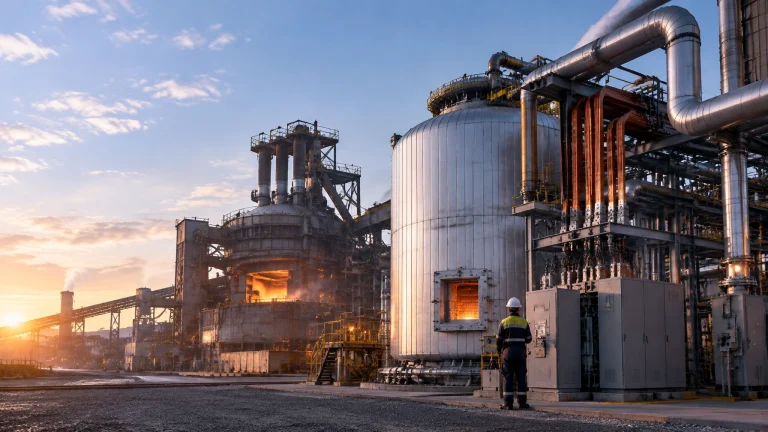
To achieve sustained excellence, one must first master the hardware. Modern industrial furnace systems are categorized by their thermal delivery and material handling capabilities. Each type serves a specific metallurgical goal, from stress-relieving to hardening and tempering.
Batch vs. Continuous Processing
The strategic choice between batch and continuous systems often dictates the long-term ROI of a facility.
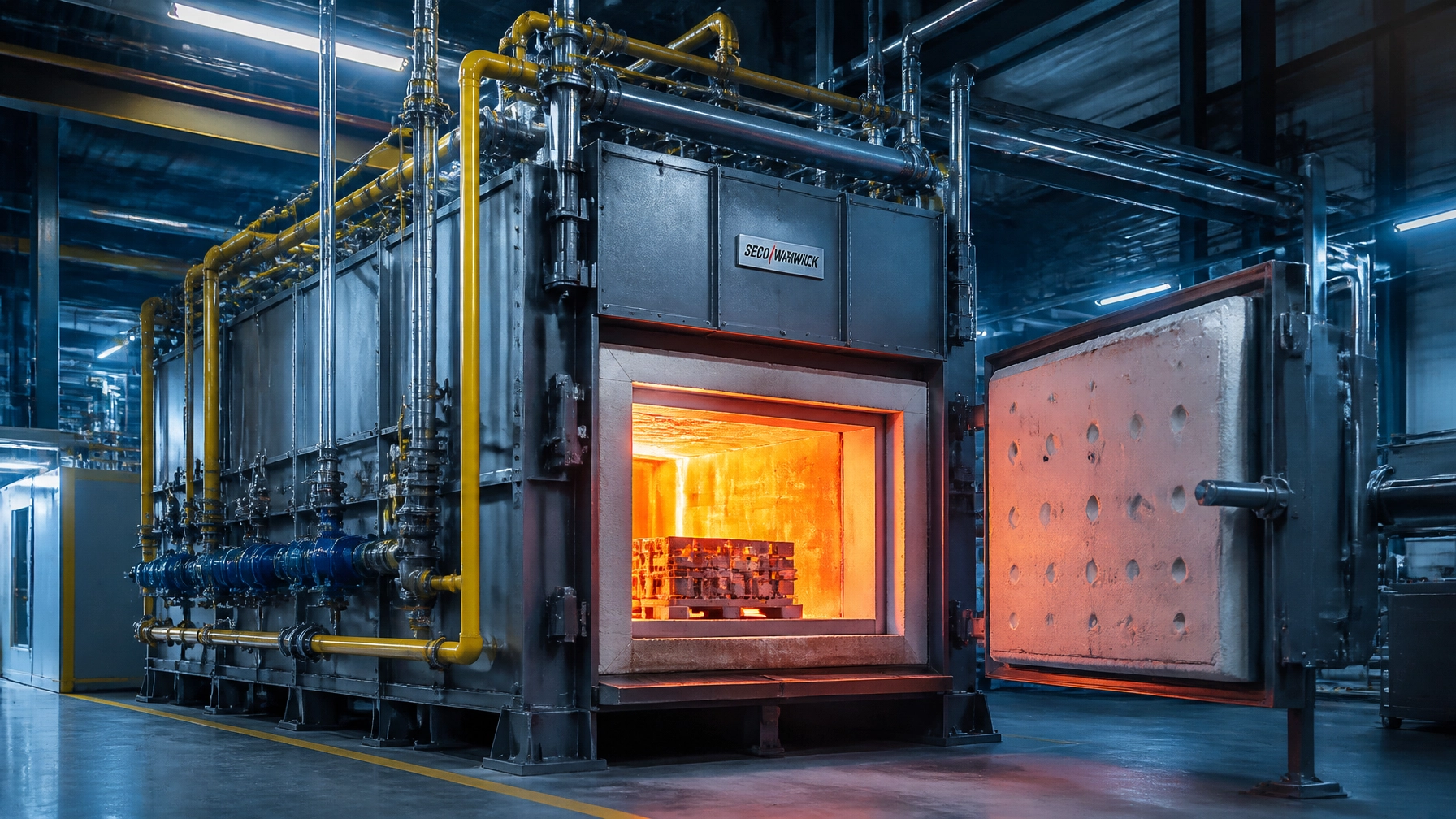
- Batch Heat Treatment Furnaces: Ideal for varying loads and specialized metallurgical cycles. These units offer maximum flexibility for shops handling diverse part geometries.
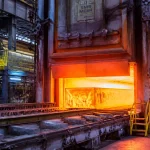
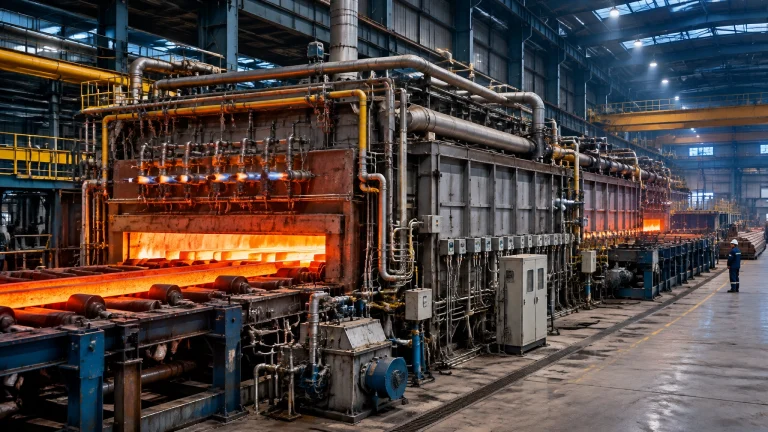
- Continuous Heat Treatment Furnaces: Engineered for high-volume throughput, these systems: often seen in steel rolling mill environments: utilize automatic feed rollers and high-efficiency burners to ensure consistent thermal profiles.

Specialized Melting Solutions
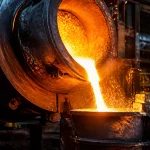
For those focused on primary production and recycling, the melting furnace for steel and the aluminum melting furnace represent the pinnacle of energy density. Modern designs now incorporate advanced refractory materials that reduce heat loss by up to 15-20% compared to traditional 2010s-era models. Furthermore, the rise of the metal recycling furnace highlights the industry's shift toward sustainability, allowing for high-purity recovery of non-ferrous scrap with significantly reduced carbon footprints.
2. The 2026 Technological Frontier: Electrification and AI
As of 2026, the industrial landscape has reached a "quantum leap" in process control. The integration of Industry 4.0 is no longer optional; it is essential for regulatory compliance and yield optimization.
The Shift to Electrification
Recent data indicates that electrically heated furnaces now command approximately 59% of the market share. The advantages are empirical:
- Uniform Heating: Precision-controlled elements eliminate the "hot spots" often associated with older gas-fired units.
- Faster Start-up Times: Digital power management allows for rapid ramping, reducing idle energy consumption by nearly 30%.
- Environmental Compliance: As global emissions standards tighten, electric systems offer a direct path to carbon neutrality.
IoT and Predictive Analytics
The modern furnace is a "connected" asset. By utilizing IoT-enabled sensors, operators can monitor temperature uniformity within a ±5°C tolerance in real-time. Continental Furnaces integrates these sensors directly into our industrial furnace systems, allowing for data-driven assertions rather than guesswork.

3. Specialized Applications: Rolling Mills and Galvanizing
Thermal processing is the backbone of the steel rolling mill and the Wire and cable industry. Without precise temperature control, the mechanical properties of the final product: such as tensile strength and ductility: are compromised.
Hot Dip Galvanizing and Pickling
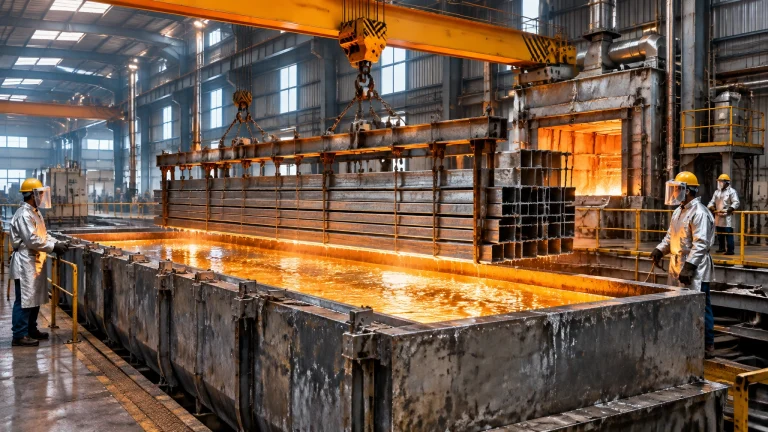
A comprehensive hot dip galvanizing plant requires more than just a kettle. It requires a synchronized ecosystem of pre-heating, pickling plants, and precise thermal dipping. Our advanced coating technology ensures a corrosion-resistant finish that exceeds ISO-certified quality standards, extending the life of structural steel by decades.
High-Throughput Wire Processing
In the Wire and cable industry, annealing is critical. Modern vertical annealing furnaces ensure that copper and aluminum strands retain their conductivity while achieving the necessary flexibility for high-speed winding.

4. Comparative Analysis: Traditional vs. 2026 Technology
To validate the necessity of upgrading, consider the following technical benchmarks:
| Metric | Traditional Gas-Fired (Pre-2020) | Modern Smart-Electric (2026) | Competitive Advantage |
|---|---|---|---|
| Temperature Uniformity | ±15°C | ±3°C to ±5°C | Higher metallurgical consistency |
| Energy Loss (Wall) | 12 – 15% | 5 – 7% | Significant fuel/power savings |
| Maintenance Model | Reactive (Fix on failure) | Predictive (AI-Driven) | 95%+ Uptime |
| Data Logging | Manual/Paper | Automated Cloud-Sync | Full audit traceability |
| ROI Period | 5 – 7 Years | 3 – 4 Years | Faster capital recovery |
5. Maintenance Roadmap: Maximizing Lifecycle Value
A furnace is a long-term investment. To ensure it remains a profit center rather than a cost center, a strategic maintenance roadmap is essential.
Phase 1: Predictive Assessment
Deploy vibration sensors and thermal imaging to identify refractory degradation or element thinning before they lead to a catastrophic failure.
Phase 2: Strategic Inventory of Furnace Spare Parts
Downtime is the enemy of profitability. Maintaining a robust stock of furnace spare parts: including thermocouples, heating elements, and specialized gaskets: can reduce unplanned outages by 40%. Continental Furnaces provides a comprehensive catalog of spares designed specifically for high-stress industrial environments.
Phase 3: Control System Calibration
In 2026, the software is as important as the steel. Regular calibration of the centralized-heat-treatment-furnace-control-deck ensures that your energy consumption remains optimized and your metallurgical recipes are executed with flawless precision.

Conclusion: Partnering for Sustained Competitive Advantage
The path to success in thermal processing is not found in isolated equipment purchases, but in an enduring partnership with experts who understand the granular details of your industry. From the initial consulting phase to the commissioning of a multi-tower hot dip galvanizing plant, Continental Furnaces stands as your strategic consultant.
We invite you to transition from traditional methods to the "quantum leap" of 2026 technology. Whether you are upgrading an existing steel rolling mill or installing a new aluminum melting furnace, our customized solutions are engineered to deliver high performance, sustainability, and absolute reliability.
Contact our engineering team today at confur.net to begin your assessment. Secure your competitive edge through the power of advanced thermal engineering.