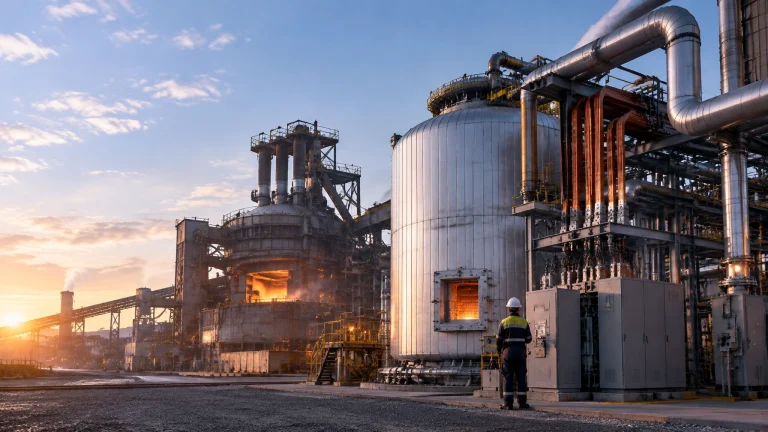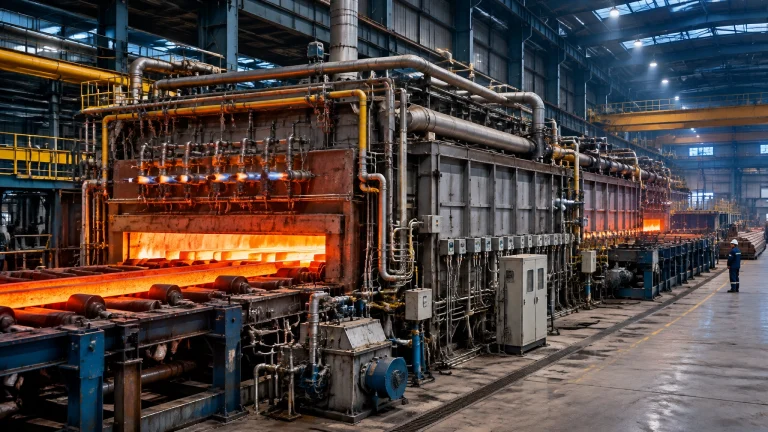

The landscape of industrial manufacturing in 2026 is defined by a singular, non-negotiable directive: maximizing efficiency through the circular economy. As global supply chains tighten and carbon-neutrality mandates transition from "aspirational" to "regulatory," the role of the metal recycling furnace has evolved from a secondary utility to the primary engine of profitability for modern foundries and steel plants.
At Continental Furnaces, we have spent over 35 years as a premier industrial furnace manufacturer, engineering solutions that bridge the gap between legacy operations and the high-performance demands of tomorrow. This guide provides a strategic roadmap for B2B stakeholders in the steel rolling mill, wire and cable industry, and non-ferrous sectors to navigate the technical and operational complexities of modern thermal processing equipment.
1. The 2026 Technology Shift: Beyond Conventional Melting
The transition to industrial furnace systems that leverage electrification and smart automation is no longer a "future trend": it is the current industry standard. In 2026, the market has bifurcated into those who have adopted high-efficiency melting furnaces for steel and those struggling with escalating fuel costs and emission penalties.
The Rise of Electrification (EAF and Induction)
The Electric Arc Furnace (EAF) has become the bedrock of the scrap-based steel industry. Modern EAF units now achieve CO₂ intensities as low as 0.3 to 0.4 tons of CO₂ per ton of steel, representing a quantum leap in sustainability compared to traditional blast furnace routes.
Similarly, the aluminum melting furnace has seen a revolution in induction technology. By utilizing medium-frequency, constant power-tracking systems, these units provide precise temperature control that is essential for high-grade secondary aluminum production.
Comparative Technology Matrix: 2026 Benchmarks
| Feature | Traditional Fuel-Fired | Modern EAF / Induction | Advantage of Modern Tech |
|---|---|---|---|
| Energy Efficiency | 20–25% (Thermal) | 75% Reduction in Energy Use | Lower operational overhead |
| Carbon Footprint | ~1.4 t CO₂/t Steel | <0.4 t CO₂/t Steel | Regulatory compliance |
| Control Precision | Manual/Analogue | AI-Driven Smart Controls | Zero-defect metallurgical yield |
| Refractory Life | Standard Wear | Condition-Based Monitoring | 15–20% extended campaign life |
2. Strategic Engineering: Optimizing the Melting Cycle

To achieve sustained competitive advantage, manufacturers must look beyond the furnace vessel itself and optimize the entire thermal cycle. Our engineering philosophy at Continental Furnaces emphasizes "Total Thermal Management."
Phase 1: Advanced Scrap Preheating
Preheating scrap is the single most effective method to reduce cycle times and energy consumption. By utilizing waste heat from the furnace exhaust, modern systems can achieve:
- 5–10% direct energy savings per melt cycle.
- Removal of moisture and oils, significantly reducing the risk of furnace "explosions" and improving safety.
- Lowered electrode consumption in EAF operations.
Phase 2: Combustion Innovation in Reheating
For facilities operating a steel rolling mill, the integration of heat treatment furnaces with recuperative and regenerative burners is essential. These burners can preheat combustion air to temperatures exceeding 1,000°C, delivering a 25–30% increase in fuel efficiency.
Phase 3: Integrated Galvanizing and Pickling
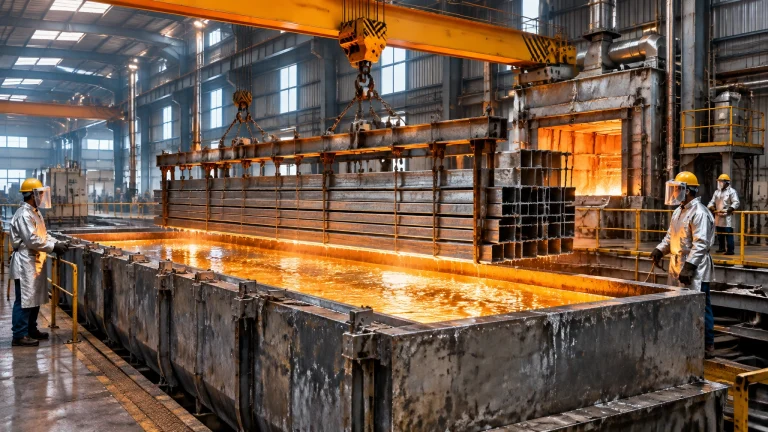
In the wire and cable industry, the furnace is often part of a larger ecosystem. A state-of-the-art hot dip galvanizing plant requires consistent thermal uniformity to ensure coating thickness compliance and minimize dross formation. Integrating these with advanced pickling plants creates a seamless, high-yield production line.
3. The Digitalization of Thermal Processing

In 2026, data is as critical as fuel. Industrial furnace systems are now equipped with comprehensive sensor arrays that feed into AI-driven dashboards.
Key Digital Performance Indicators (KDPIs) include:
- Real-time Power Tracking: Optimizing induction coil efficiency and identifying "energy leaks" instantly.
- Thermal Profiling: Ensuring every square inch of the furnace hearth maintains the exact required temperature, critical for heat treatment furnaces.
- Predictive Diagnostics: Moving away from calendar-based maintenance to a data-driven model that predicts component failure weeks in advance.
4. Maintenance and Longevity: The Role of Quality Spares
A furnace is only as reliable as its weakest component. High-performance metal recycling furnaces operate under extreme thermal and chemical stress. At Continental Furnaces, we emphasize the importance of using certified furnace spare parts to maintain the original equipment manufacturer (OEM) performance specifications.
The Maintenance Roadmap for 2026
- Refractory Management: Utilize high-performance ceramic linings and infrared thermography to detect hotspots before they lead to catastrophic run-outs.
- Burner Calibration: Annual tuning of air/fuel ratios to maintain stoichiometric combustion, preventing carbon buildup and fuel waste.
- Cooling System Audit: For EAF and induction systems, water quality is paramount. Scale buildup in cooling panels can lead to localized overheating and structural failure.
- Automation Calibration: Ensure that PLC sensors and thermocouples are calibrated against certified standards to prevent "process drift."
5. Integrating Downstream: Rolling Mills and CCR/CCM

Success in the recycling sector often involves more than just melting; it requires the transformation of scrap into high-value products. For those operating steel rolling mills, the synergy between the melting furnace for steel and the rolling stand is vital.
Our customized solutions for CCR (Continuous Casting and Rolling) and CCM (Continuous Casting Machine) mills are engineered for:
- Consistent Billets: High-quality melt ensures uniform chemical composition, preventing cracking during the rolling process.
- Automation Synergy: Seamless data hand-off between the furnace control deck and the mill's speed controls to optimize throughput based on thermal availability.
6. Planning for the Future: A Professional Directive
As we look toward the remainder of 2026 and beyond, the choice of an industrial furnace manufacturer becomes a choice of a long-term strategic partner. The capital investment in a metal recycling furnace or a hot dip galvanizing plant must be protected by a commitment to engineering excellence and life-cycle support.

Continental Furnaces stands ready to serve as your consultant and engineering partner. With over three decades of technical wisdom and a portfolio of ISO-certified solutions, we help you achieve:
- Reduced Operational Downtime: Through robust engineering and prompt service.
- Superior Metallurgical Yield: Through precision thermal control.
- Regulatory Peace of Mind: Through industry-leading energy efficiency and emission controls.
Take the Strategic Leap
Do not settle for "off-the-shelf" solutions in a bespoke industry. Whether you are upgrading an existing aluminum melting furnace or planning a greenfield steel rolling mill project, our team provides the granular technical insight necessary to ensure your investment delivers maximum ROI.
Contact Continental Furnaces today for a comprehensive technical assessment of your facility. Let us engineer your sustained competitive advantage.
Explore our Product Range | Consult our Experts