As we navigate the industrial landscape of 2026, the global steel industry is undergoing a profound metamorphosis. Driven by the dual imperatives of decarbonization and digital transformation, the modern steel rolling mill is no longer just a site of mechanical force; it is an interconnected ecosystem of high-precision engineering and real-time data analytics.
At Continental Furnaces, with over 35 years of specialized expertise in thermal processing equipment, we have witnessed the transition from manual, high-waste operations to the "Smart Mill" era. For B2B stakeholders in the automotive, construction, and defense sectors, success in 2026 requires a radical shift in how we approach metallurgical precision, energy utilization, and lifecycle management.
This guide provides a strategic roadmap for modernizing your operations, integrating advanced industrial furnace systems, and achieving a sustained competitive advantage.
Phase 1: The Digital Transformation of Rolling Operations
The "Industry 4.0" label has evolved into a tangible operational standard. By 2026, the most profitable facilities are those utilizing digital twins and non-contact measurement systems to achieve near-zero scrap rates.
Precision through Non-Contact Measurement
Traditional physical gauges are being replaced by high-speed laser and electromagnetic sensors. These systems provide a continuous evaluation of material properties, allowing for closed-loop control of rolling stands. This level of precision is essential for meeting the stringent tolerances required by the aerospace and electronics industries.
The Role of Centralized Control
Modern rolling mills integrate Level 1 and Level 2 automation with centralized control decks. These hubs monitor everything from roll gap and speed to the specific heat profiles within your heat treatment furnaces.

Key 2026 Digital Benchmarks:
- Target Thickness Deviation: < ±0.05% via automated roll gap control.
- Data Integration: 100% synchronization between the mill floor and Enterprise Resource Planning (ERP) systems.
- Energy Monitoring: Real-time tracking of kWh/ton by specific production batch.
Phase 2: Advancing Thermal Processing Excellence
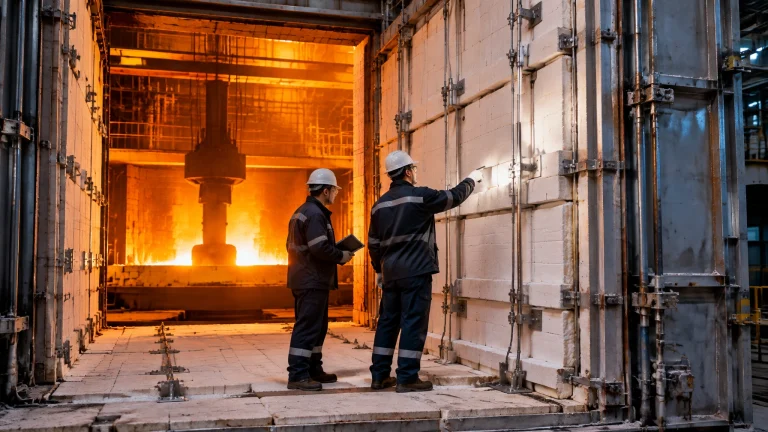
The heart of any rolling mill is its ability to manage heat. Whether you are operating a CCR (Continuous Casting and Rolling) mill or a traditional steel rolling mill, the efficiency of your furnace infrastructure dictates your final product's metallurgical integrity.
Optimized Melting and Recasting
For facilities processing ferrous and non-ferrous metals, the melting furnace for steel must now balance high throughput with extreme energy efficiency. Our latest melting furnaces and recycling projects are engineered to reduce fuel consumption by up to 18% compared to traditional 2010-era models.

Specialized Heat Treatment
The post-rolling phase is where the final properties of the steel are forged. Utilizing a continuous-type heat treatment furnace for rods and bars ensures uniform hardness and ductility.

Critical Thermal Technologies for 2026:
- Aluminum Melting Furnace: Essential for the growing lightweight automotive sector, focusing on low dross formation and rapid heat recovery.
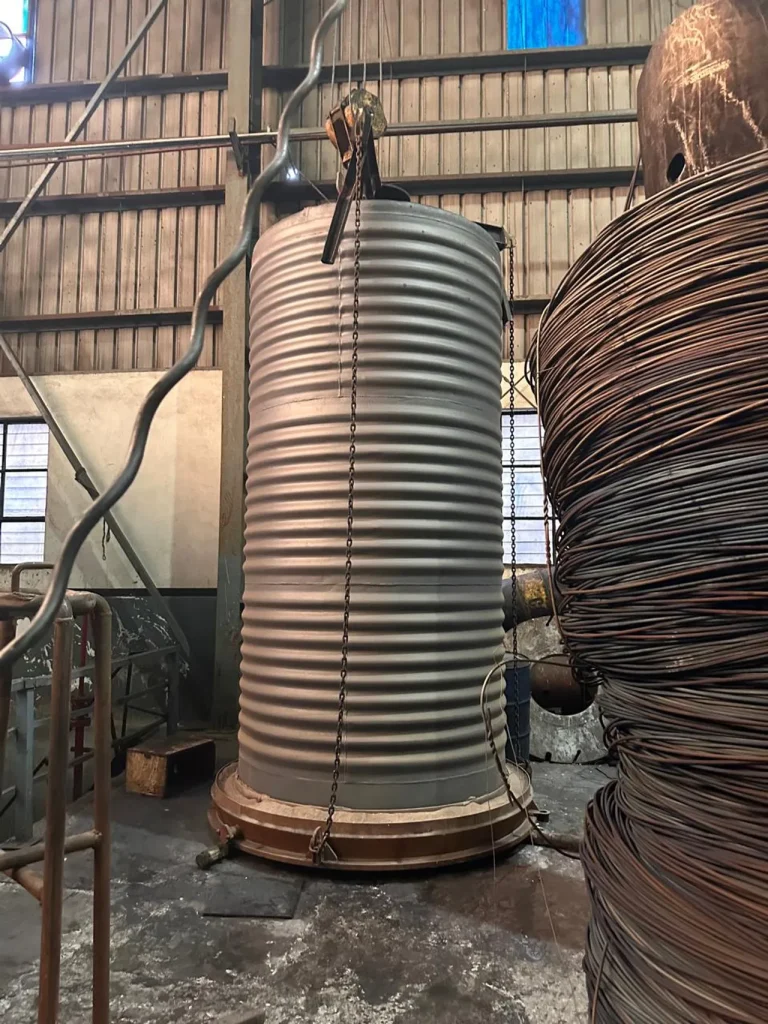
- Pit Type & Bell Type Annealing: For the wire and cable industry, these furnaces offer precise atmosphere control to prevent oxidation.
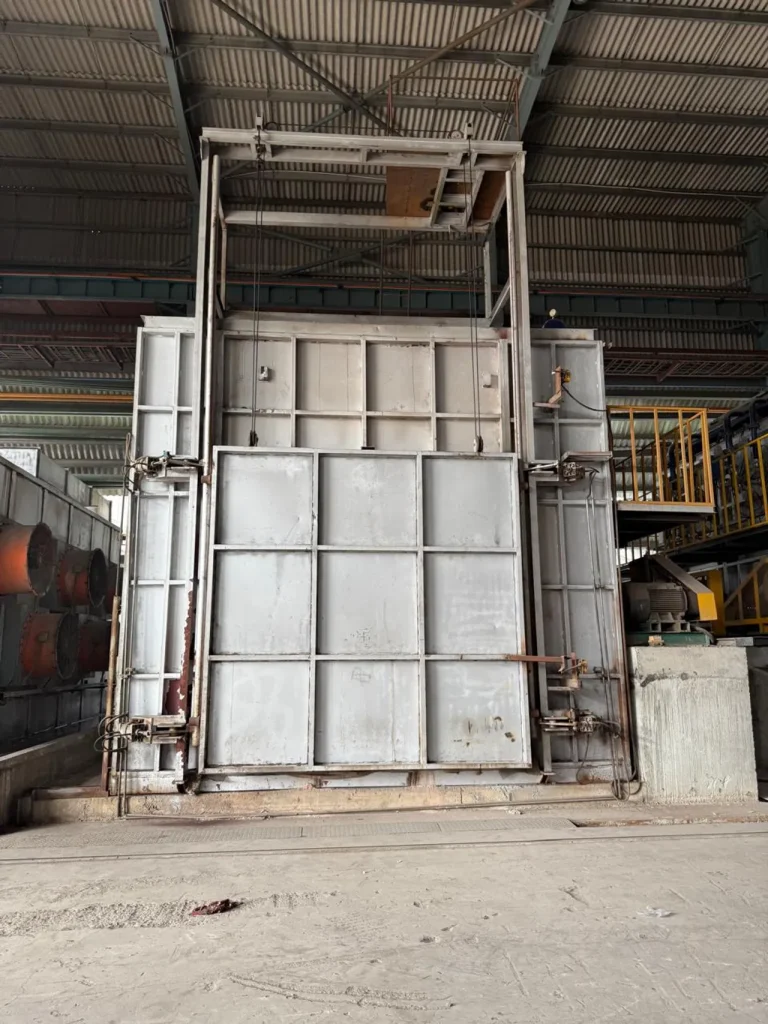
- Bogie Hearth Furnaces: Ideal for heavy-duty thermal processing of large-scale industrial components.
Phase 3: Sustainability and The Circular Economy
In 2026, regulatory compliance is no longer a peripheral concern: it is a central pillar of profitability. Modern mills must incorporate metal recycling furnaces and advanced coating technologies to minimize environmental impact.
Zinc Coating and Corrosion Protection
A high-performance hot dip galvanizing plant is a critical asset for producing construction-grade steel. By integrating automated pickling plants and advanced galvanizing baths, manufacturers can achieve superior coating thickness control while reducing chemical waste.
Competitive Technology Comparison (Traditional vs. 2026)
| Feature | Traditional Mill (Pre-2020) | Modern 2026 Mill | Impact |
|---|---|---|---|
| Fuel Efficiency | High consumption; significant heat loss | Recuperative burners & high-density insulation | 20-25% reduction in fuel costs |
| Quality Control | Periodic manual sampling | 100% real-time automated inspection | 99.8% Yield Rate |
| Maintenance | Reactive (Fix when broken) | Predictive (AI-driven vibration/thermal analysis) | 40% reduction in unplanned downtime |
| Environmental | High emissions; minimal recycling | Zero-waste aim; integrated recycling furnaces | Full ESG Compliance |
Phase 4: Lifecycle Maintenance and Reliability
As an industrial furnace manufacturer with decades of experience, we understand that a mill’s profitability is tied to its uptime. In 2026, maintenance has shifted from a cost center to a strategic reliability department.
The "Predictive" Spare Parts Strategy
Waiting for a component to fail is no longer an option. A robust supply chain for furnace spare parts: including high-grade burners, rollers, and automation sensors: is vital.
Continental Furnaces Strategic Maintenance Roadmap:
- Step 1: Assessment: Conduct a thermal audit of all existing industrial furnace systems.
- Step 2: Sensorization: Retrofit legacy equipment with IoT sensors to monitor thermal fluctuations and mechanical stress.
- Step 3: CMMS Integration: Link equipment health data directly to your Computerized Maintenance Management System for automated parts ordering.

Strategic Advice for the Rolling Mill Industry
To secure a sustained competitive advantage in the next decade, steel producers must view their technology stack as an evolving asset rather than a static purchase.
- Prioritize Energy Efficiency: The ROI for upgrading to high-efficiency burners and modern insulation typically falls within 18–24 months at current energy pricing.
- Invest in Human Capital: As automation takes over manual tasks, your team must transition into data-literate supervisors who can interpret AI-driven process insights.
- Focus on Niche Markets: The demand for specialized alloys and precision-coated products (via hot dip galvanizing) offers higher margins than commodity steel.
Conclusion: Partnering for Future-Ready Thermal Solutions
The complexities of 2026 require more than just equipment; they require a partnership with a seasoned authority in thermal processing. At Continental Furnaces, we don't just manufacture furnaces: we engineer the future of your production line. Whether you are looking to install a new aluminum melting furnace, modernize a steel rolling mill, or optimize your pickling plant, our team is ready to deliver customized, ISO-certified solutions that prioritize your yield and profitability.
Are you ready to transcend traditional manufacturing limits?
Contact our engineering consultants today to begin your facility’s transformation into a 2026 industry leader. Let us help you shape the thermal solutions of tomorrow.