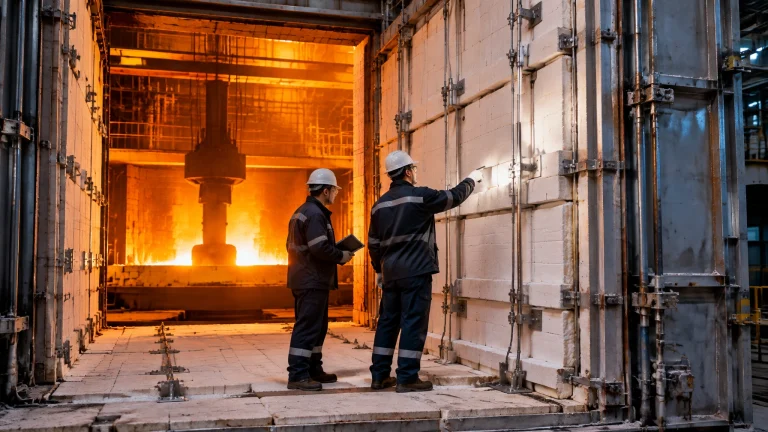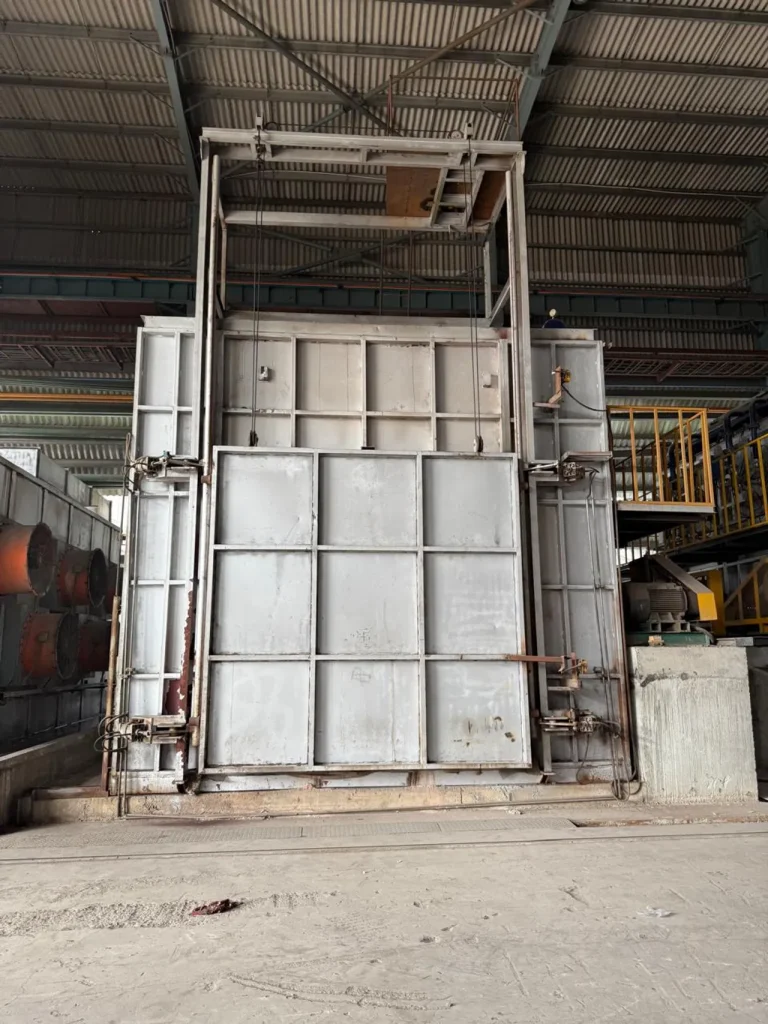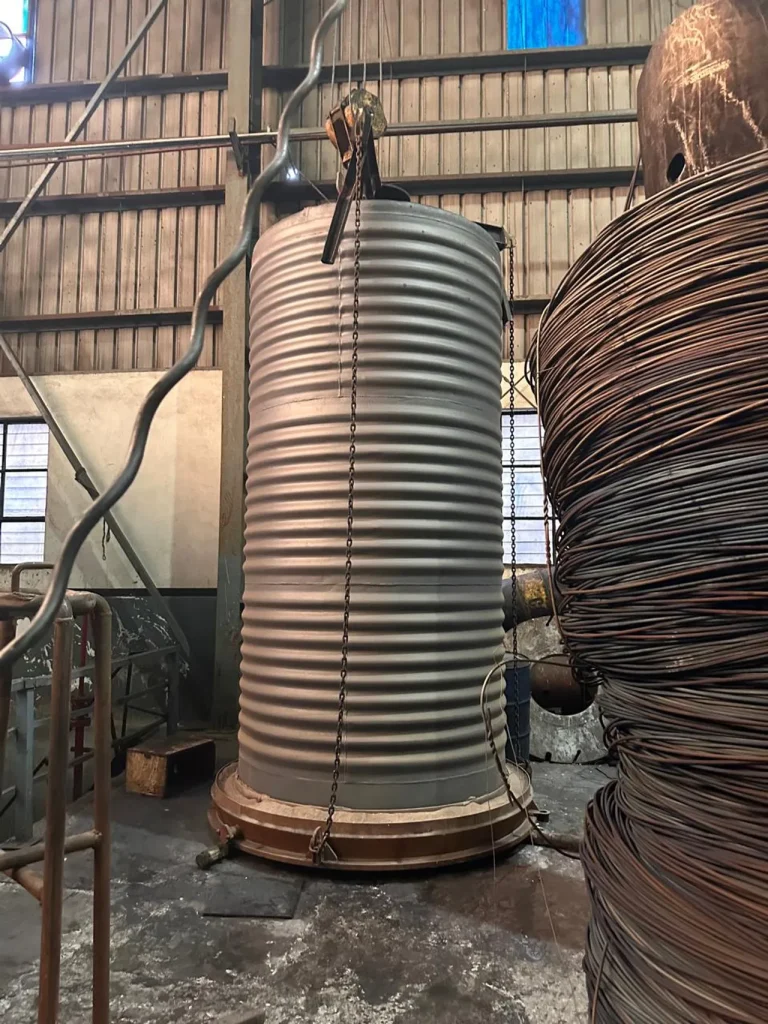
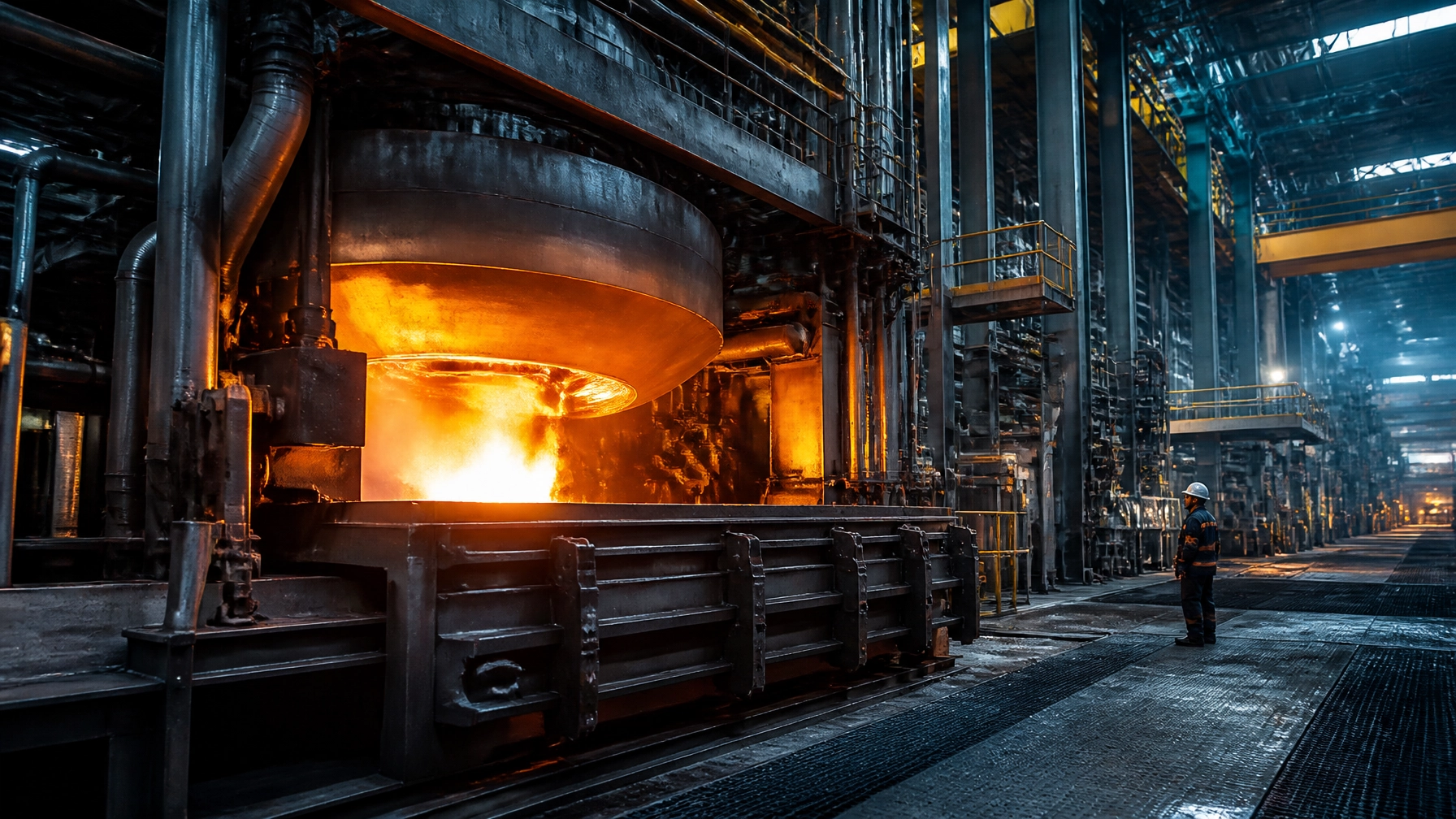
In the high-stakes environment of heavy industry, the performance of your thermal processing equipment is the primary determinant of your operational yield and bottom-line profitability. For over 35 years, Continental Furnaces has served as a strategic consultant to global manufacturing leaders, observing a recurring pattern: even the most robust industrial furnace systems can experience a slow, silent erosion of efficiency.
When a steel rolling mill or a hot dip galvanizing plant fails to meet its projected thermal benchmarks, the causes are rarely catastrophic failures. Instead, they are typically a convergence of granular technical oversights and legacy maintenance philosophies that no longer align with the precision requirements of 2026.
This executive guide diagnoses the ten primary drivers of furnace underperformance and provides a technical roadmap for restoration and optimization.
1. Refractory Degradation and Thermal Bridging
The refractory lining is the literal heart of your furnace. Over time, thermal cycling induces spalling, cracking, and thinning of the brickwork or ceramic fiber modules. This degradation leads to "thermal bridging," where heat escapes through the furnace shell, increasing energy consumption by as much as 15-20%.
The Technical Fix: Conduct an annual thermographic survey to identify localized hot spots. Modernizing your lining with high-velocity burner-compatible refractories can drastically reduce shell temperatures and improve the heat-up cycle of your heat treatment furnaces.

2. Burner Misalignment and Sub-Optimal Air-Fuel Ratios
Inefficient combustion is the most frequent culprit behind uneven temperature distribution. Whether you are operating an aluminum melting furnace or a complex melting furnace for steel, improper burner tuning leads to excessive scale formation and increased fuel expenditure.
The Technical Fix: Implement a precision combustion control strategy. Transitioning to pulse-firing systems or cross-connected ratio control ensures that the air-fuel mixture remains stoichiometric across the entire turndown range, maximizing thermal efficiency and reducing NOx emissions.
3. Legacy Control Systems and Lack of IIoT Integration
As we move deeper into the era of Industry 4.0, relying on legacy PLC architectures or manual temperature monitoring is a liability. Modern industrial furnace systems require real-time data ingestion to maintain the tight tolerances demanded by the automotive and aerospace sectors.
The Comparative Advantage: Modern vs. Traditional Controls
| Metric | Traditional Control | 2026 Smart Systems (IIoT) |
|---|---|---|
| Temp. Tolerance | +/- 10°C | +/- 2°C |
| Data Logging | Manual/Paper | Cloud-Based Real-Time |
| Maintenance | Reactive (Post-Failure) | Predictive (AI-Driven) |
| Energy Efficiency | Baseline | +12% Improvement |
4. Inadequate Management of Furnace Spare Parts
A common operational bottleneck is the "just-in-time" procurement of critical components. Using non-OEM furnace spare parts or delaying the replacement of heating elements and thermocouples leads to drifted calibrations and unplanned downtime.
The Technical Fix: Establish a strategic inventory of critical spares: including specialized sensors, high-temperature seals, and burner nozzles. Continental Furnaces recommends a lifecycle value approach where spares are pre-staged based on predictive wear models.
5. Throughput Imbalances and Loading Inefficiency
Underperforming furnaces are often the result of "bottlenecking" caused by improper loading. In a continuous steel rolling mill, an under-loaded furnace wastes energy, while an over-loaded one results in "cold spots," leading to metallurgical failures in the downstream process.

6. Air Ingress and Positive Pressure Failures
Small leaks in door seals or peep-holes allow cold ambient air to enter the furnace chamber. This air must then be heated, consuming extra fuel and potentially oxidizing the material. In a metal recycling furnace, air ingress can significantly lower the recovery yield of non-ferrous metals.
The Technical Fix: Upgrade to automated, pneumatic door clamping systems and maintain a slight positive pressure within the furnace chamber. This ensures that any leakage is "hot air out" rather than "cold air in," protecting the internal atmosphere.
7. Scale Buildup and Hearth Contamination
In a melting furnace for steel, the accumulation of dross and scale acts as an insulator, preventing efficient heat transfer from the burners to the melt. This increases the "tap-to-tap" time and accelerates the wear on the furnace hearth.
The Technical Fix: Implement a rigorous descaling schedule and utilize advanced hearth materials that resist slag adhesion. Regular cleaning is a fundamental pillar of zero-waste manufacturing.
8. Inconsistent Fuel and Energy Supply
Fluctuations in natural gas pressure or electrical voltage can wreak havoc on sensitive thermal cycles. In the Wire and cable industry, inconsistent annealing temperatures can lead to variations in tensile strength, resulting in rejected batches.
The Technical Fix: Install dedicated pressure regulation stations and voltage stabilizers. For clients in regions with volatile energy grids, we recommend dual-fuel burner systems to ensure continuous operation and sustained competitive advantage.
9. Lack of Workforce Training and Operational Discipline
Even the most advanced thermal processing equipment is only as effective as the technician operating it. A lack of understanding regarding ramp rates, soak times, and atmosphere control is a leading cause of process underperformance.
The Roadmap to Excellence:
- Phase 1: Comprehensive workforce training on furnace thermodynamics.
- Phase 2: Standardized Operating Procedures (SOPs) for every thermal recipe.
- Phase 3: Regular performance audits to ensure compliance with ISO-certified quality standards.
10. Obsolete Heat Recovery Systems
If your furnace is venting high-temperature exhaust directly into the atmosphere, you are literally throwing away profit. Modern hot dip galvanizing plants and melting facilities now utilize recuperative or regenerative burners to pre-heat combustion air using waste heat.

The ROI Assertion: Transitioning to recuperative technology typically offers an ROI period of 12 to 18 months, depending on fuel costs, while reducing the overall carbon footprint of your facility.
The 2026 Maintenance Roadmap: From Reactive to Predictive
To remain competitive, manufacturers must move beyond the "break-fix" mentality. The transition to a Condition-Based Maintenance (CBM) model is no longer optional; it is essential.
- Assessment: Audit the current thermal efficiency and mechanical integrity of your existing fleet.
- Instrumentation: Retrofit older furnaces with vibration sensors on fans and IR sensors for refractory monitoring.
- Optimization: Re-tune burners and update control logic to align with current production requirements.
- Sustenance: Partner with an established industrial furnace manufacturer for ongoing technical support and parts supply.
Conclusion: Securing Your Thermal Future
Underperformance in your industrial furnace systems is a solvable technical challenge. By addressing these ten critical areas, you can unlock latent capacity, reduce energy expenditure, and ensure the highest metallurgical quality.
As a leader in the thermal processing industry, Continental Furnaces provides the engineering expertise and customized solutions required to transform your manufacturing facility into a high-performance operation.
Is your facility operating at its peak thermal potential? Contact our senior engineering team today for a comprehensive system audit and a strategic roadmap to sustained competitive advantage.