In the high-stakes environment of heavy industrial manufacturing: spanning the wire and cable industry to large-scale steel rolling mills: the thermal processing line is the heart of production. Yet, for many facility managers, this "heart" is a source of chronic anxiety. Unplanned downtime in a melting furnace for steel or a heat treatment furnace doesn't just halt production; it hemorrhages capital, often costing upwards of $5,000 to $15,000 per hour in lost yield and energy waste.
As a leading industrial furnace manufacturer with over 35 years of engineering pedigree, Continental Furnaces has observed a consistent pattern: the difference between a high-performing plant and a struggling one lies not in the age of the machinery, but in the sophistication of its furnace spare parts management.
Transitioning from reactive "firefighting" to a state of strategic readiness requires a shift in perspective. You are not just maintaining equipment; you are managing a high-precision thermal processing ecosystem.
The Strategic Shift: Reactive vs. Proactive Maintenance
Before diving into specific hacks, it is essential to quantify the impact of strategic maintenance. Modern industrial furnace systems demand a data-driven approach to component longevity.
| Metric | Reactive Maintenance | Strategic Part Management |
|---|---|---|
| Annual Downtime | 150 – 300 Hours | < 24 Hours |
| Energy Efficiency | 15% – 20% Variance | Constant ±2% Accuracy |
| Spare Parts Lead Time | 4 – 12 Weeks (Emergency) | 0 – 24 Hours (On-site) |
| Component Lifespan | 60% of Potential | 95% – 100% of Potential |
| ROI Period | N/A (Pure Cost) | 12 – 18 Months |
7 Quick Hacks for Mastering Furnace Spare Parts
1. Execute the "A-Critical" Spare Parts Audit
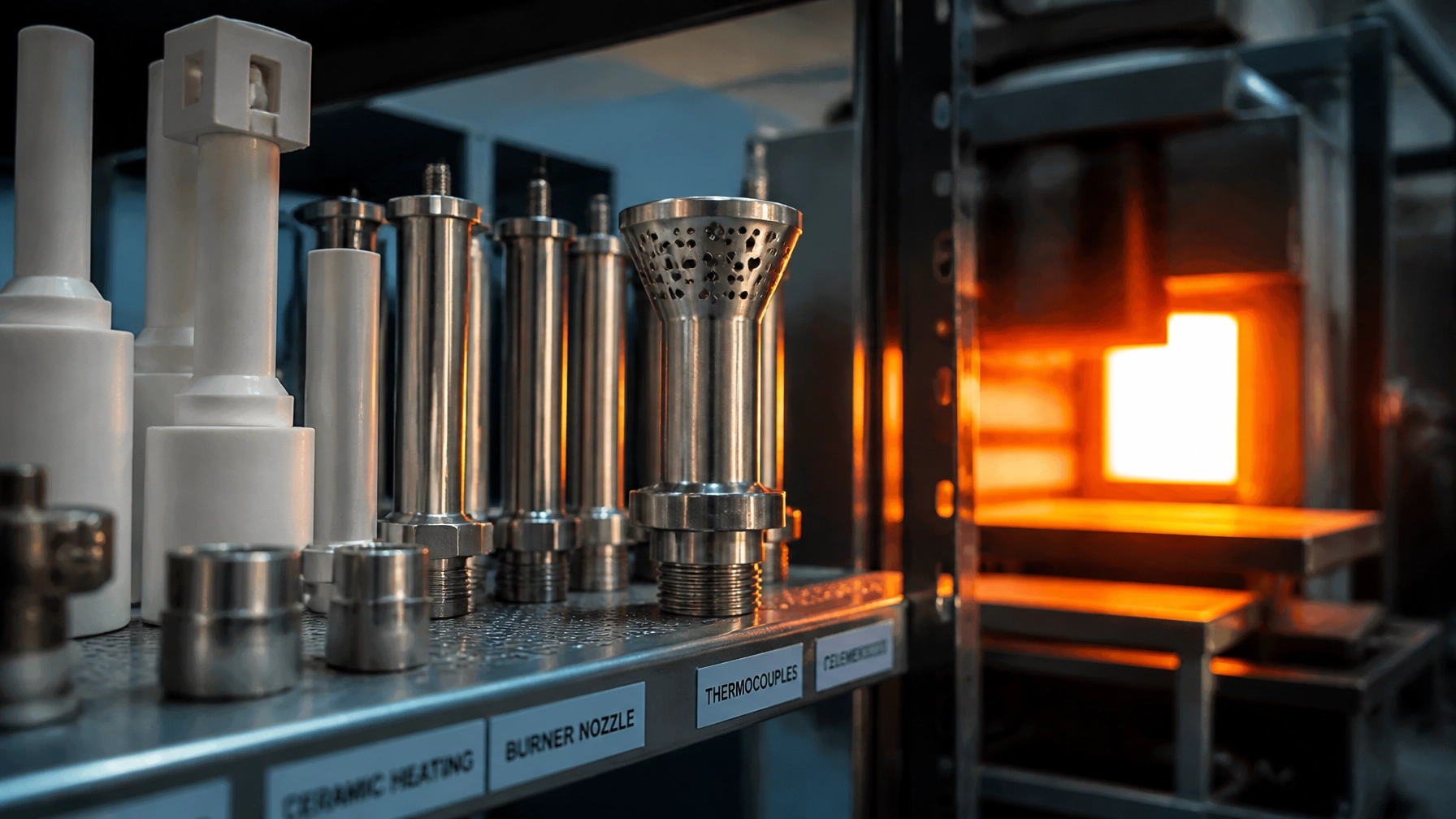
The most common mistake in a steel rolling mill is treating every bolt and burner as equal. You must categorize your inventory based on Failure Impact vs. Lead Time. "A-Critical" parts: such as specialized burner nozzles, PLC control modules, and high-temperature thermocouples: must be stored on-site in a climate-controlled environment.
- Hack: If a part takes longer than 4 weeks to arrive and its failure shuts down the aluminum melting furnace, you should already own two.
2. Standardize Components Across the Line
Whether you are operating a pit-type annealing furnace or a hot dip galvanizing plant, component fragmentation is a silent profit killer. By standardizing burner types, valves, and sensors across multiple lines, you reduce the required "Safety Stock" by up to 30%.

3. Implement High-Frequency Operator "Micro-Inspections"
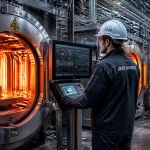
Maintenance should not be a monthly event. We recommend a 7-minute daily checklist for operators. This includes logging gas pressure, checking for visible door seal leaks, and inspecting burner flame patterns.
- KPI Insight: Early detection of a warped door seal can prevent a 12% spike in fuel consumption and protect the surrounding refractory lining.
4. Leverage Thermal Imaging for Predictive Spares Replacement
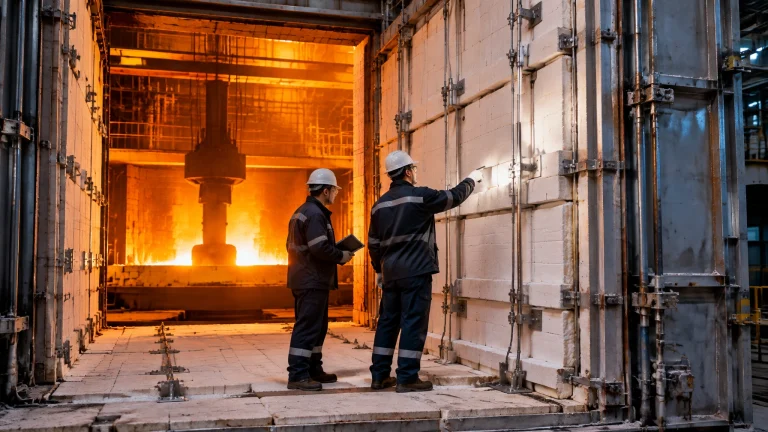
Don't wait for a refractory failure to order new bricks. Use handheld infrared thermography once a week to scan the shell of your metal recycling furnace. A sudden "hot spot" on the furnace exterior is an empirical signal that the internal lining is thinning.

5. Deploy Modular "Service Kits"
When a component fails in a heat treatment furnace, the time wasted searching the warehouse for individual fittings, gaskets, and screws is unacceptable.
- The Hack: Create "Service Kits": pre-packaged boxes containing every single sub-component needed for a specific repair (e.g., a "Burner Overhaul Kit"). This reduces the Mean Time to Repair (MTTR) by as much as 45%.
6. Optimize Combustion Tuning to Reduce Component Fatigue
Inaccurate air-fuel ratios in a melting furnace for steel lead to localized overheating and excessive soot buildup. Regularly calibrating your PID controllers and oxygen sensors ensures that your thermal processing equipment operates within its designed thermal envelope, extending the life of alloy tubes and heating elements.

7. Establish a Lifecycle Partnership with your OEM
Treat your industrial furnace manufacturer as a technical consultant rather than a vendor. Continental Furnaces offers customized spare parts roadmaps that align with your specific production cycles, ensuring you have the right components exactly when a planned outage occurs.
The Roadmap to Sustained Competitive Advantage
Transitioning your facility to a world-class maintenance standard is a phased process. As experts in the hot dip galvanizing plant and wire processing sectors, we recommend the following professional roadmap:
Phase 1: Technical Assessment (Month 1)
- Complete a full inventory of all industrial furnace systems.
- Identify "End-of-Life" (EOL) components.
- Baseline current energy consumption per ton of output.
Phase 2: Strategic Inventory Localization (Months 2-3)
- Procure "A-Critical" insurance spares.
- Negotiate Vendor-Managed Inventory (VMI) agreements for "B-Class" items (motors, fans).
- Install digital data-logging systems for real-time monitoring.
Phase 3: Personnel Optimization (Months 4+)
- Conduct specialized training for maintenance staff on furnace spare parts installation.
- Integrate maintenance logs into your central ERP/CMMS.
- Review ROI metrics quarterly to justify further automation investments.

Conclusion: Securing Your Industrial Future
In the modern manufacturing landscape, "maintenance" is no longer a necessary evil: it is a strategic lever for profitability and sustainability. By mastering your spare parts strategy and adopting proactive hacks, you ensure your steel rolling mill or wire processing facility remains resilient against market volatility and operational failure.
At Continental Furnaces, we don't just build furnaces; we engineer long-term operational success. Whether you need a comprehensive audit of your current thermal processing equipment or are looking to upgrade to the latest energy-efficient industrial furnace systems, our team is ready to provide the technical wisdom your facility deserves.
Ready to eliminate unplanned downtime? Consult with our senior engineers today and let's build a roadmap to your sustained competitive advantage.