In the demanding landscape of modern metallurgy, the margin for error in thermal processing has narrowed to a razor's edge. As a premier industrial furnace manufacturer with over 35 years of engineering pedigree, Continental Furnaces has observed a recurring pattern of operational inefficiencies that erode profitability and compromise metallurgical integrity.
Whether you are managing a high-output steel rolling mill or a specialized wire and cable industry facility, the performance of your heat treatment furnaces is the primary determinant of your product’s mechanical properties. Operating at sub-optimal levels doesn't just waste energy; it degrades your competitive advantage.
Below, we dissect the seven most critical mistakes currently hindering industrial furnace operations and provide the professional roadmap to rectify them.
1. Neglecting High-Precision Calibration and Temperature Control
The most frequent failure in thermal processing equipment is the reliance on drifted sensors. Even a 5°C deviation can lead to improper grain growth or failure to reach the austenitic start temperature, resulting in rejected batches.
- The Mistake: Relying on factory-set calibration for years without periodic validation.
- The Fix: Implement a rigorous System Accuracy Test (SAT) and Temperature Uniformity Survey (TUS) schedule every quarter. Utilize precision-calibrated thermocouples and high-fidelity PID controllers to eliminate temperature overshoot, which can account for up to 12% of unnecessary energy expenditure.
2. Sub-Optimal Load Configuration and Spacing
In an attempt to maximize throughput, many operators overload the hearth. This counter-intuitively slows down the cycle and creates "cold spots" where the atmosphere cannot circulate effectively.
- The Mistake: Stacking parts too densely or placing them directly on the furnace floor, obstructing convective heat transfer.
- The Fix: Adopt standardized loading patterns that ensure a minimum of 25% open area for airflow. For continuous heat treatment furnaces, ensure that feed rollers are synchronized to prevent "shingling" of steel rods or bars.

3. Ignoring Refractory and Insulation Integrity
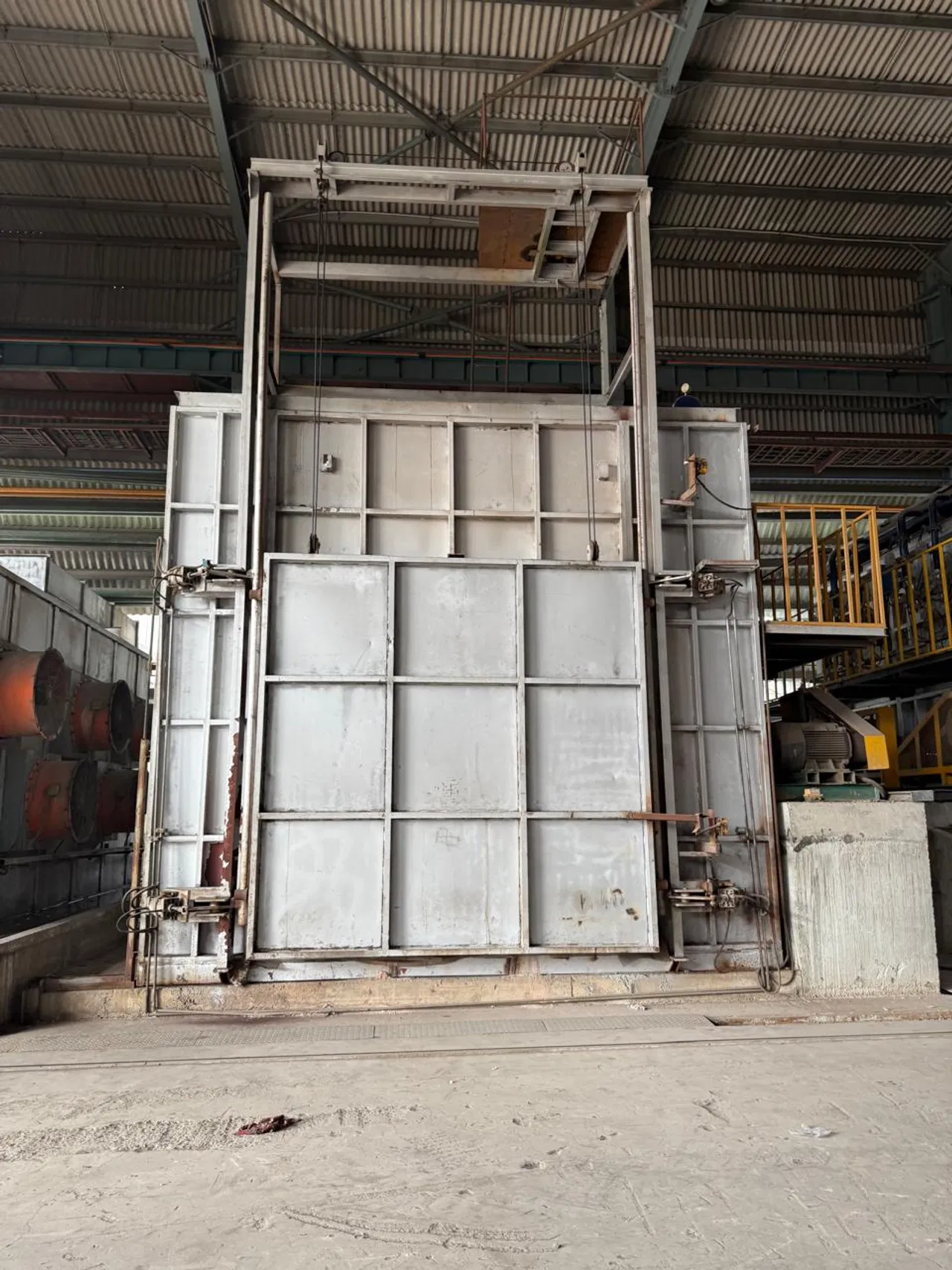
Your furnace's refractory lining is its primary defense against heat loss. As an industrial furnace manufacturer, we often see facilities operating with visible "hot spots" on the furnace shell: a clear sign of structural insulation failure.
- The Mistake: Patching refractory only after a major collapse, rather than addressing micro-cracks.
- The Fix: Conduct monthly thermal imaging of the furnace exterior. Any surface temperature exceeding 60°C (depending on the specific process) indicates a failure in the ceramic fiber or brick lining. Proactive replacement of furnace spare parts, such as high-density refractory modules, can improve thermal efficiency by 15-20%.
4. Poor Atmosphere Management in Wire and Cable Production
For the wire and cable industry, surface oxidation and decarburization are terminal defects. Maintaining a stable, pressurized atmosphere is critical, yet many plants suffer from uncontrolled air infiltration.
- The Mistake: Operating with worn door seals or failing to monitor the oxygen potential within the furnace.
- The Fix: Upgrade to automated atmosphere control systems that monitor CO/CO2 ratios or dew points in real-time. Ensure that all entry and exit vestibules are properly sealed and that nitrogen or argon purging cycles are strictly maintained.

5. Inconsistent Cooling and Quenching Protocols
Thermal processing is a two-part equation: heating and cooling. Often, the heating is meticulously controlled while the quenching phase is treated as an afterthought, leading to residual stress and distortion.
- The Mistake: Utilizing quenching media (oil, water, or polymer) that has degraded or is at the incorrect temperature/agitation level.
- The Fix: In a melting furnace for steel or aluminum applications, ensure the quenching system is integrated into the furnace’s PLC logic. Monitor agitation speeds and bath temperatures to ensure a uniform cooling rate across the entire cross-section of the component.
6. Failure to Optimize PID and Control Logic
Modern industrial furnace systems rely on sophisticated algorithms to manage the "ramp and soak" cycles. Using generic PID parameters leads to oscillations and increased wear on heating elements or burners.
- The Mistake: Using "Auto-Tune" functions only once during commissioning.
- The Fix: Work with specialists to fine-tune the control loops for specific load sizes. Optimized logic reduces the soak time by up to 10%, directly increasing your plant’s annual yield.
7. Reactive Rather Than Proactive Maintenance of Spares
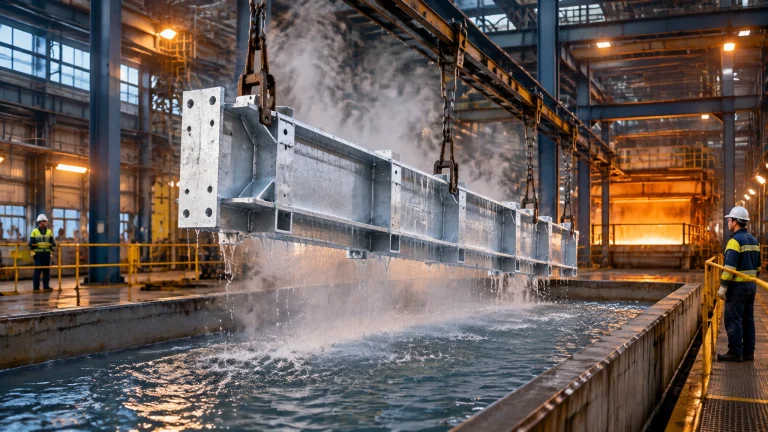
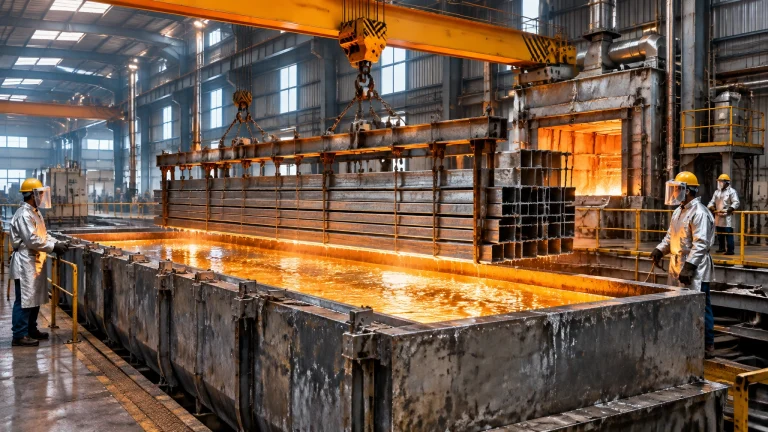
The cost of unplanned downtime in a hot dip galvanizing plant or a metal recycling furnace can reach thousands of dollars per hour. Waiting for a burner or a fan to fail before ordering replacements is a high-risk strategy.
- The Mistake: Keeping zero inventory of critical furnace spare parts.
- The Fix: Maintain a "Critical Spares Kit" including heating elements, thermocouples, burner nozzles, and door gaskets. At Continental Furnaces, we emphasize that lifecycle value is maximized when maintenance is a scheduled strategic event, not a frantic response to a breakdown.

Performance Benchmark: Modern vs. Traditional Technology
To quantify the advantages of advanced thermal engineering, consider the following comparison between legacy systems and Continental Furnaces' modern solutions.
| Feature | Traditional Furnace Technology | Continental Modern Systems | Competitive Advantage |
|---|---|---|---|
| Fuel/Energy Efficiency | 30% – 40% Thermal Efficiency | 65% – 75% Thermal Efficiency | ~40% Lower Operating Costs |
| Temperature Tolerance | ±10°C to ±15°C | ±3°C to ±5°C | Superior Metallurgical Yield |
| Refractory Life | 2–3 Years (Avg.) | 5–8 Years (Advanced Fiber) | Reduced Maintenance Capex |
| Control System | Manual/Basic PID | Industry 4.0 Integrated | Remote Monitoring & Data Logging |
| ROI Period | N/A (Standard OpEx) | 18–24 Months (Energy Savings) | Rapid Capital Recovery |
The Roadmap to Operational Excellence
Transforming your thermal processing facility requires a structured approach. We recommend a three-phase transition to ensure sustained competitive advantage.
Phase 1: Diagnostic Assessment
Conduct a comprehensive energy and metallurgical audit of your existing aluminum melting furnace or heat treatment line. Identify air leaks, measure shell temperatures, and evaluate the accuracy of current sensor data.
Phase 2: Targeted Upgrades
Integrate high-efficiency burners and recuperators to capture waste heat. Replace antiquated controls with PLC-based systems that offer real-time data analytics and predictive maintenance alerts.
Phase 3: Continuous Optimization
Establish an "Enduring Partnership" with an industrial furnace manufacturer like Continental Furnaces. This includes regular staff training on new safety protocols and metallurgical best practices to ensure your equipment operates at the peak of its design capability.

Strategic Conclusion
In the global industrial sector, efficiency is not merely an operational goal: it is a survival mandate. The mistakes outlined above represent significant leaks in your profitability. By transitioning from reactive maintenance to precision-engineered thermal processing, you secure the reliability and quality required to lead your industry.
Continental Furnaces stands ready to assist you in this transition. With 35+ years of expertise in delivering customized, ISO-certified solutions for steel rolling mills, pickling plants, and galvanizing facilities, we provide more than just machinery; we provide a strategic partnership for growth.
Are you ready to eliminate inefficiencies and secure your thermal processing future?
Consult with a Continental Furnaces Engineer Today to schedule your professional furnace audit.