As we navigate the fiscal landscape of 2026, the industrial sector has reached a critical inflection point. Thermal processing is no longer a peripheral utility; it has become the central nervous system of high-performance manufacturing. For global leaders in the steel rolling mill and Wire and cable industry, the transition from legacy systems to advanced industrial furnace systems is no longer a matter of choice: it is a prerequisite for survival in a hyper-competitive, carbon-conscious market.
Continental Furnaces, with over 35 years of engineering pedigree, has observed a fundamental shift in how heat treatment is executed. Today, the focus has pivoted from mere temperature maintenance to precision metallurgical control, 50.6% energy electrification, and AI-driven predictive maintenance.
In this comprehensive guide, we distill decades of technical wisdom into a strategic roadmap for 2026. Whether you are seeking a high-capacity melting furnace for steel or optimizing a hot dip galvanizing plant, this document serves as your authoritative reference for technical excellence.
1. Technical Taxonomy: Selecting the Optimal 2026 Furnace Configuration
The architecture of your thermal processing equipment must align with your throughput requirements and metallurgical specifications. In 2026, the industry has standardized around three primary configurations, each serving distinct operational niches.
A. Heavy-Duty Batch Furnaces
Ideal for diverse part geometries and variable production cycles, modern batch furnaces utilize advanced fibrous insulation to reduce heat loss by up to 25% compared to 2020 benchmarks.
- Best For: Aerospace components, tool steel, and heavy forgings.
- Key Advantage: Unmatched flexibility in atmosphere control and cycle customization.

B. Continuous Heat Treatment Systems
For high-volume operations like steel rolling mills, continuous furnaces provide a seamless flow of material, ensuring consistency across every linear meter of product.
- Best For: Steel rods, bars, and automotive fasteners.
- 2026 Update: Integration of automatic feed rollers and high-velocity burners that achieve thermal uniformity within ±3°C.
C. Vertical Annealing and Specialty Units
The Wire and cable industry requires specialized solutions for coil processing. Vertical annealing shells provide the controlled environment necessary to prevent oxidation while maintaining the ductility required for fine-gauge drawing.
2. The 2026 Technology Benchmarks: AI, IoT, and Electrification
The "Quantum Leap" of 2026 is defined by the digitization of thermal energy. Modern industrial furnace manufacturers are now shipping units that are "Data-Ready" by default.
The Rise of Electrification
Market data indicates that electrically heated furnaces now account for over 50% of new installations. This shift is driven by:
- Emissions Compliance: Meeting strict carbon-neutral mandates.
- Thermal Efficiency: Direct energy transfer without the flue losses associated with traditional gas-fired units.
- Process Stability: Precision electronic control that eliminates the variability of fuel-calorific values.
AI-Driven Predictive Maintenance
The era of "run-to-fail" is over. 2026 systems utilize IoT sensors to monitor furnace spare parts such as heating elements, radiant tubes, and conveyor belts. By analyzing vibration and thermal signatures, AI algorithms can predict a component failure up to 45 days in advance, allowing for scheduled interventions that eliminate unplanned downtime.

3. Comparative Analysis: Legacy Systems vs. 2026 Modern Technology
To justify capital expenditure, one must look at objective metrics. The following table contrasts traditional furnace technology with the current state-of-the-art solutions provided by Continental Furnaces.
| Feature | Traditional Systems (Pre-2022) | Modern 2026 Systems | Operational Impact |
|---|---|---|---|
| Fuel Source | Primarily Gas/Oil | Electric/Hybrid/Hydrogen-Ready | -40% Carbon Footprint |
| Control Logic | Basic PID Loops | AI-Optimized Multivariable Control | Higher Yield, Lower Scrap |
| Insulation | Brick/Refractory | Bio-Soluble Ceramic Fiber | 20% Faster Ramp Rates |
| Data Visibility | Manual Logging | Real-time IoT Dashboard | Total Traceability |
| ROI Period | 5-7 Years | 3-4 Years (via Energy Savings) | Accelerated Profitability |
4. Strategic Maintenance: The ROI of Genuine Furnace Spare Parts
Maintenance in 2026 is a strategic asset management function. Utilizing sub-standard components in a high-temperature environment is a recipe for catastrophic failure. Continental Furnaces emphasizes the use of ISO-certified furnace spare parts to maintain the integrity of the thermal envelope.
Critical Components to Monitor:
- Burner Blocks and Nozzles: Ensure optimal combustion stoichiometry in gas-fired units.
- Thermocouples (Type K, R, S): Must be calibrated quarterly to ensure accuracy within industrial tolerances.
- Conveyor Chains and Rollers: Require specific high-temperature alloys to prevent creep and mechanical fatigue.
For metal recycling facilities using an aluminum melting furnace or a melting furnace for steel, the refractory lining is the most critical wear item. Modern 2026 linings utilize nano-structured materials that resist dross buildup, extending service life by 35%.

5. The Industry Roadmap: Phase-by-Phase Implementation
Transitioning your plant to 2026 standards requires a structured approach. We recommend the following chronological phases for any thermal processing equipment upgrade:
Phase 1: Thermal Audit and Assessment
Evaluate your current energy consumption and "lost-heat" metrics. Identify bottlenecks in your steel rolling mill or Wire rod mill equipment.
Phase 2: Specification and Custom Engineering
Consult with an industrial furnace manufacturer like Continental Furnaces to design a system tailored to your specific metallurgy. This includes choosing between zinc melting furnaces for galvanizing or specialized annealing support.
Phase 3: Integration and Training
Install the hardware and integrate the control software with your existing ERP. Train your workforce on digital interfaces and safety protocols to ensure maximum ROI from day one.
6. Industry Spotlight: The Future of Metal Processing
Steel Rolling Mills
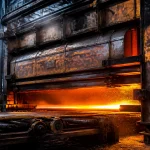
In 2026, the integration of reheat furnaces directly with automated rolling stands has reduced "soaking times" by 15%. This synchronization ensures that the steel enters the mill at the exact plastic deformation temperature, reducing motor load and wear on the rollers.
Hot Dip Galvanizing Plants
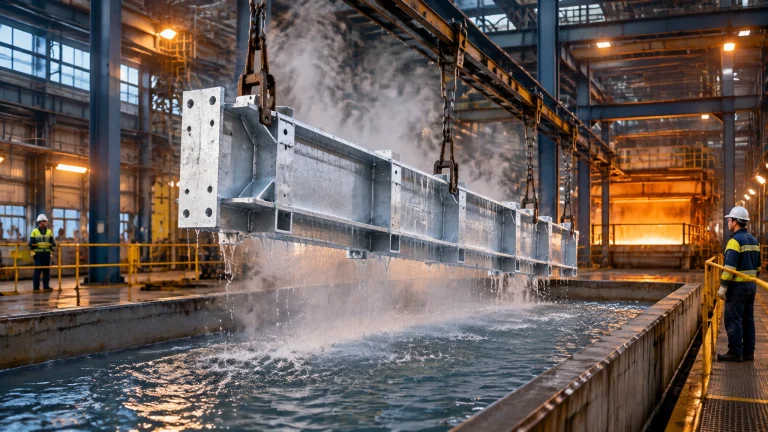
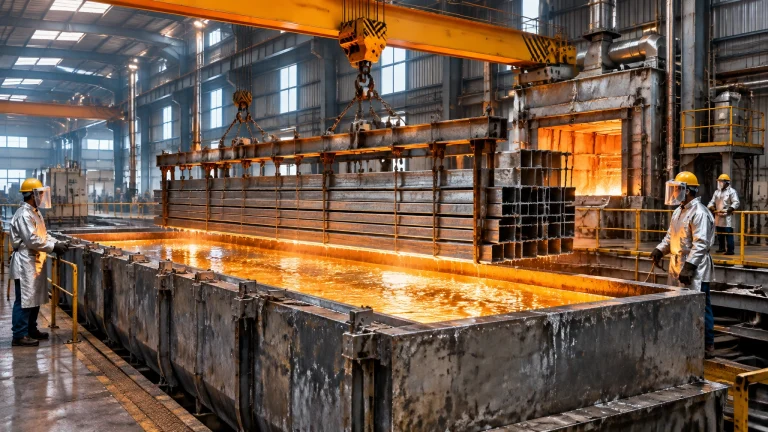
Modern hot dip galvanizing plants now utilize pulse-fired high-velocity burners. This technology provides uniform kettle heating, significantly reducing the formation of dross and extending the life of the galvanizing kettle: a major cost-saving for 2026 operators.
Metal Recycling Furnaces
The circular economy has made the metal recycling furnace a cornerstone of sustainable manufacturing. Our 2026 models feature advanced filtration systems that capture particulates while recovering waste heat to pre-heat the incoming scrap, achieving a "Near-Closed-Loop" energy cycle.

Conclusion: Securing Your Competitive Advantage
The technological shifts of 2026 present a unique opportunity for industrial leaders. By adopting advanced heat treatment furnaces, integrating AI-driven controls, and prioritizing energy efficiency, your organization can achieve a sustained competitive advantage that legacy operators simply cannot match.
At Continental Furnaces, we don't just manufacture equipment; we engineer longevity and profitability. With 35+ years of expertise and a global footprint, we are ready to serve as your strategic partner in this new industrial era.
Are you ready to redefine your thermal processing efficiency?
Consult with our Senior Engineering Team today to begin your 2026 modernization roadmap. Let us shape tomorrow’s thermal solutions together.