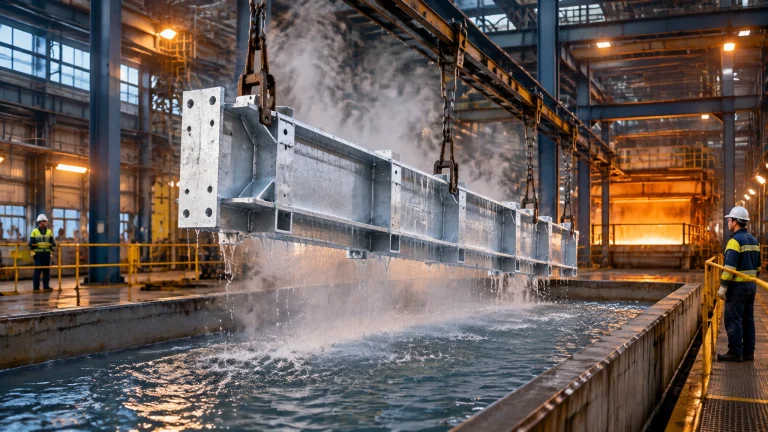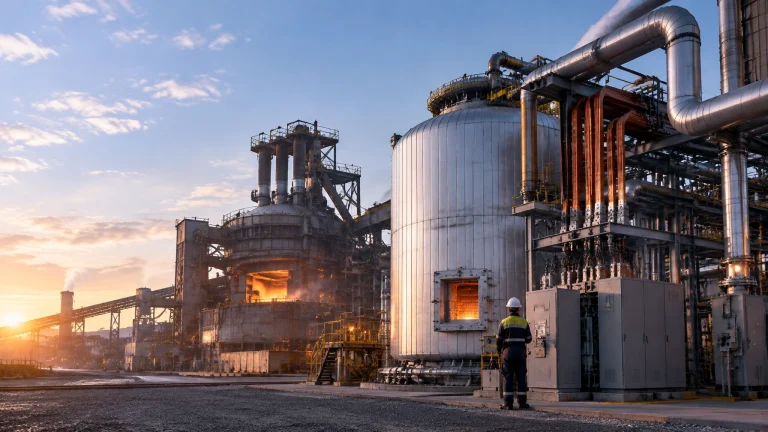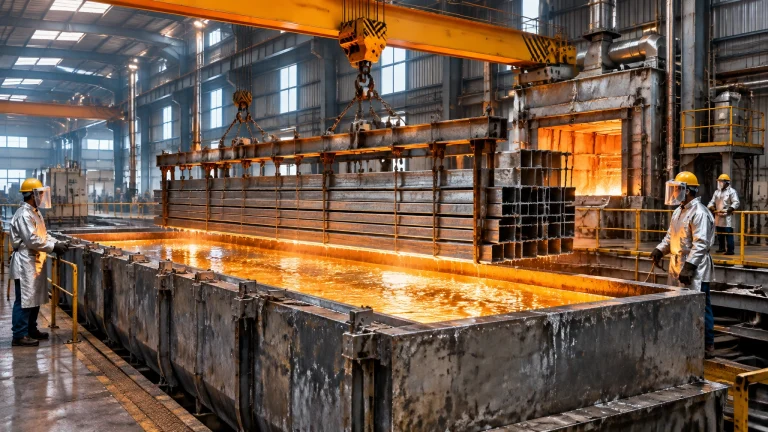
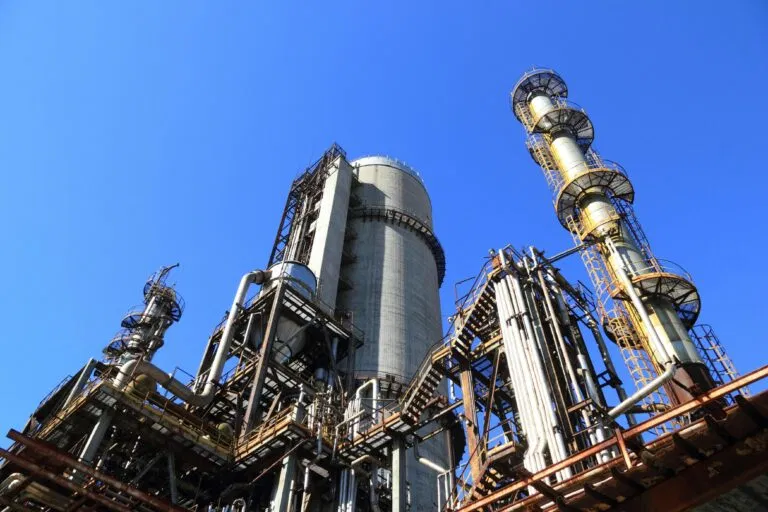
In the high-stakes arena of industrial manufacturing, the furnace is the heartbeat of the production floor. Whether you are operating a steel rolling mill, managing a hot dip galvanizing plant, or supervising a high-capacity melting furnace for steel, the efficiency of your thermal processing equipment dictates your bottom line.
Over our 35+ years as a leading industrial furnace manufacturer, we have observed a recurring pattern: even the most sophisticated facilities often fall prey to subtle, systemic errors in furnace operation and maintenance. These are not merely technical oversights; they are "profit leaks" that diminish metallurgical integrity and inflate energy overheads.
This guide serves as a strategic roadmap to identify these pitfalls and implement the "quantum leaps" in efficiency required for sustained competitive advantage.
1. Neglecting Atmosphere Control and Chemistry
For industries such as the Wire and cable industry or precision stamping, the furnace atmosphere is as critical as the temperature. A common error is treating the internal environment as a static variable.
- The Mistake: Failing to monitor carbon potential or oxygen levels, leading to decarburization or heavy scale formation.
- The Impact: Surface defects that necessitate secondary grinding or result in outright scrap: increasing your Cost of Poor Quality (COPQ).
- The Fix: Implement automated atmosphere control systems with real-time zirconia probes. Maintaining a precise atmosphere can reduce scaling by up to 15-20%, preserving the dimensional integrity of your components.
2. Ignoring Thermal Uniformity Deviations
Temperature consistency is the cornerstone of predictable metallurgy. In many heat treatment furnaces, operators rely on a single thermocouple reading to represent the entire hearth.

- The Mistake: Operating without regular Temperature Uniformity Surveys (TUS).
- The Impact: Variations in hardness and microstructure across a single batch, leading to inconsistent mechanical properties.
- The Fix: Conduct quarterly TUS in accordance with AMS2750 or equivalent standards. If your furnace shows a variance exceeding ±5°C, it is time to recalibrate your control zones or inspect your internal circulation fans. Explore our technical insights for deeper calibration strategies.
3. Tolerating Refractory and Seal Deterioration
Energy efficiency is often lost not through the stack, but through the shell. As an industrial furnace manufacturer, we emphasize that a furnace is only as good as its envelope.

- The Mistake: Ignoring hairline cracks in refractory bricks or compressed door gaskets.
- The Impact: "Cold spots" near doors and excessive shell temperatures. Even a 5mm gap in a door seal can increase fuel consumption by 3-5% due to cold air infiltration.
- The Fix: Adopt a "Zero-Leak" policy. Utilize thermal imaging cameras to detect hot spots on the furnace casing. Replacing worn refractory with modern ceramic fiber modules can improve thermal retention by 25% compared to traditional firebricks.
4. The "Reactive Maintenance" Trap
Many facilities wait for a component to fail before initiating a repair. In a continuous steel rolling mill environment, this approach is catastrophic.
- The Mistake: Treating maintenance as an interruption rather than an investment.
- The Impact: Unplanned downtime costs can exceed $10,000 per hour in large-scale operations. Furthermore, running on failing parts forces the system to work harder, accelerating the wear of secondary components.
- The Fix: Establish a robust Preventive Maintenance (PM) schedule and maintain a critical inventory of furnace spare parts. For specialized equipment, ensure you have ready access to burners, crucibles, and sensors to minimize Mean Time To Repair (MTTR).
5. Poor Combustion Tuning and Burner Misalignment
Whether you are operating an aluminum melting furnace or a billet reheating line, the combustion system is where fuel becomes value.

- The Mistake: Running with a "lazy" flame or incorrect air-fuel ratios (too much excess air).
- The Impact: Excess air acts as a heat sink, carrying energy straight out of the exhaust stack. Conversely, fuel-rich combustion leads to incomplete burning and hazardous carbon monoxide buildup.
- The Fix: Perform monthly flue gas analysis. Tuning burners to maintain 2-3% excess oxygen can yield an immediate 5-10% reduction in fuel consumption. Check your reheating furnace efficiency metrics against modern benchmarks.
6. Suboptimal Loading Patterns
The way you "pack" your furnace dictates how heat flows around your parts.
- The Mistake: Overloading the hearth or placing parts too close together to "maximize" a batch.
- The Impact: Blocked airflow leads to "shadowing," where the center of the load never reaches the required soak temperature, while the exterior is over-tempered.
- The Fix: Design standardized loading fixtures that promote 360-degree convection. A well-spaced load can actually reduce total cycle time by 15%, increasing your daily yield more effectively than a crowded, slow-heating batch.
7. Data Blindness (The Lack of Industry 4.0 Integration)
In the modern era, "guessing" is the greatest mistake of all. Traditional industrial furnace systems often operate as "black boxes."

- The Mistake: Failing to log and analyze cycle data.
- The Impact: Inability to correlate specific energy spikes or quality dips with operator actions or environmental variables.
- The Fix: Transition to a data-driven model. Integrating PLC-based SCADA systems allows for "Golden Batch" analysis: identifying the exact parameters that produced the highest quality at the lowest cost. This is essential for modern metal recycling furnaces where scrap variability requires constant adjustment.
Comparison: Traditional vs. Optimized Furnace Operations
| Feature | Traditional Approach | Optimized (Continental Standard) | Impact on Profitability |
|---|---|---|---|
| Maintenance | Reactive (Fix when broken) | Proactive (Predictive PM) | ↓ 40% Downtime |
| Fuel Control | Manual Valve Adjustment | Automated Air-Fuel Ratio | ↓ 12% Fuel Costs |
| Insulation | Firebrick / Degraded Fiber | High-Density Ceramic Modules | ↑ 25% Heat Retention |
| Data Usage | Paper Logs (Often missing) | Industry 4.0 Cloud Monitoring | ↑ 100% Traceability |
| Sealing | Mechanical Clamps | Pneumatic/Soft-Seal Gaskets | ↓ 5% Energy Loss |
Phase 1: The Optimization Roadmap
Transforming your thermal processing facility is a phased journey. We recommend the following sequence for immediate ROI:
- Audit (Week 1-2): Conduct a comprehensive thermal audit and flue gas analysis. Identify the "low-hanging fruit" like leaking seals or mis-tuned burners.
- Refurbish (Week 3-6): Replace outdated insulation and procure essential furnace spare parts.
- Digitize (Month 2-3): Install modern sensors and data logging software to capture real-time performance metrics.
- Train (Ongoing): Empower operators with the technical wisdom to recognize signs of drift before they become failures.
Conclusion: Partnering for Sustained Advantage
The mistakes outlined above are common, but they are not inevitable. In an era where energy costs are volatile and quality standards are non-negotiable, your thermal processing equipment must be an asset, not a liability.
At Continental Furnaces, we don't just manufacture hardware; we engineer solutions that bridge the gap between traditional metallurgy and Industry 4.0 efficiency. Whether you need a new metal recycling furnace, a high-efficiency hot dip galvanizing plant, or support for an existing steel rolling mill, our experts are ready to assist.
Ready to eliminate the "profit leaks" in your facility? Consult with our engineering team today to schedule a professional furnace performance assessment. Let’s shape your tomorrow’s thermal solutions, together.