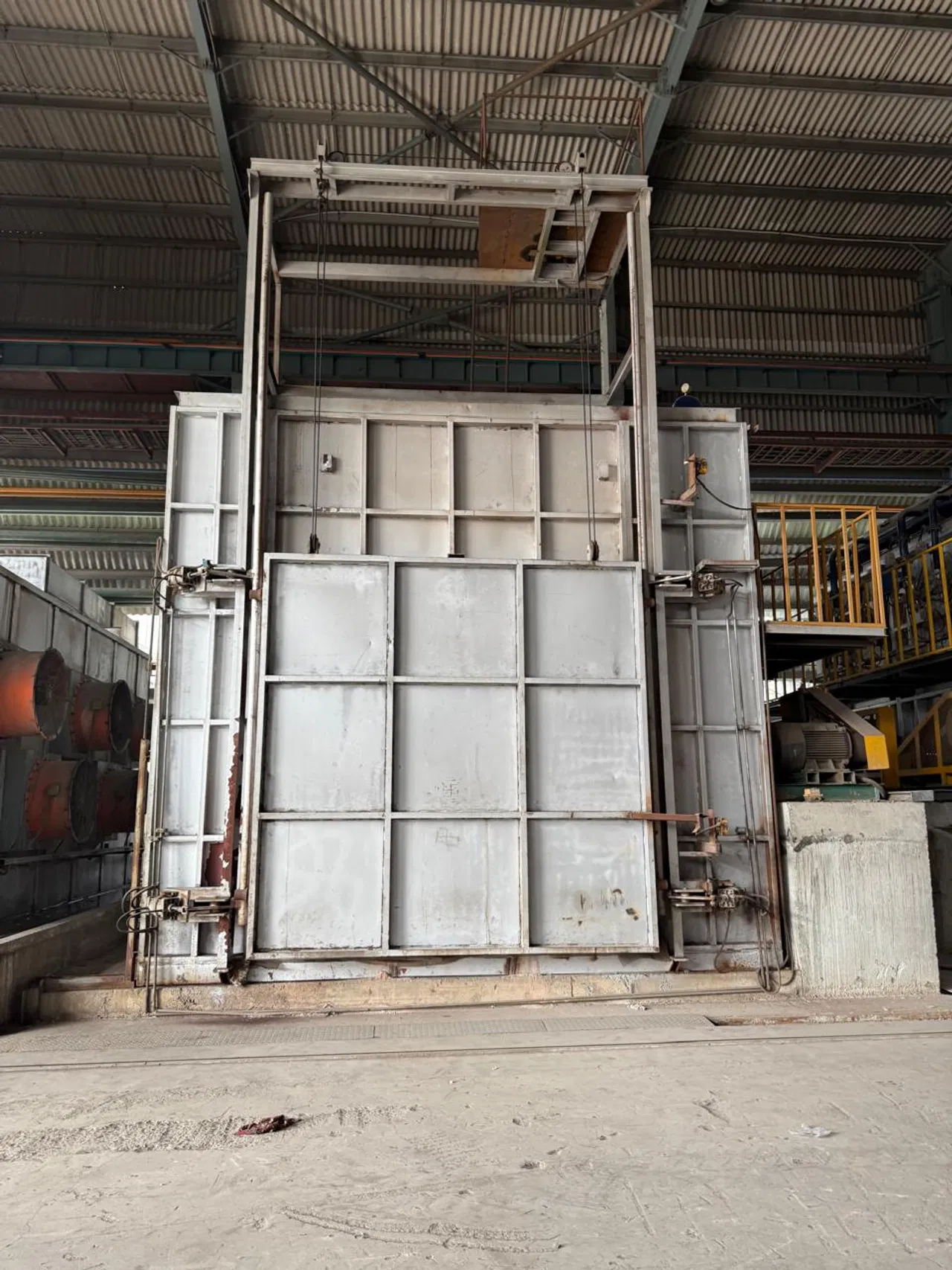
In the demanding world of high-volume metallurgy, the difference between a high-performance yield and a costly batch of scrap often comes down to the first few hours of the morning shift. As a premier industrial furnace manufacturer with over 35 years of field experience, Continental Furnaces has observed that even the most sophisticated thermal processing equipment can underperform if systemic operational oversights are left unaddressed.
Whether you are managing a steel rolling mill, an aluminum melting furnace, or a complex hot dip galvanizing plant, your bottom line depends on precision. This "Morning Edition" briefing outlines the seven most critical mistakes currently hindering industrial furnace efficiency and provides the technical roadmap required to rectify them.
1. Neglecting Atmosphere Integrity and Oxygen Ingress
The atmosphere inside your heat treatment furnaces is not merely "air": it is a carefully balanced chemical environment. One of the most frequent mistakes is allowing uncontrolled air infiltration through degraded seals or improper damper settings.
Oxygen ingress leads to decarburization and surface oxidation, which compromises the integrity of high-grade steel. In the wire and cable industry, even minor scaling can lead to catastrophic drawing failures.
- The Fix: Implement a weekly "Seal & Pressure Audit." Ensure your furnace maintains a slight positive pressure (typically 0.05 to 0.10 inches of water column) to prevent ambient air from being sucked into the heating chamber.
- KPI to Watch: Monitor the CO/CO2 ratio or oxygen millivolts continuously to ensure a stable reducing or neutral atmosphere.
2. Operating with "Hidden" Thermal Non-Uniformity
Many plant managers assume that if the controller says 900°C, the entire load is at 900°C. However, aging refractory linings or misaligned burners often create "cold spots" that result in inconsistent hardness values across a single batch. This is particularly dangerous in melting furnaces for steel, where temperature stratification can affect the alloy's final chemistry.

- The Fix: Conduct regular Temperature Uniformity Surveys (TUS) in accordance with AMS2750F or equivalent ISO standards.
- Strategic Advantage: Continental’s modern bogie hearth furnaces utilize multi-zone pulse-firing burner technology to maintain uniformity within ±5°C across the entire workspace.
3. Treating "Spare Parts" as an Afterthought
Using generic or low-quality furnace spare parts is a "false economy" that leads to premature failure and extended downtime. A specialized heating element or a high-nickel alloy radiant tube is engineered for specific thermal expansion coefficients. Mixing and matching components disrupts the thermal balance of the system.
- The Fix: Maintain a "Critical Spares Inventory" of OEM-certified parts.
- The Continental Approach: We provide customized spare part kits designed for the specific duty cycles of your equipment, ensuring that replacements restore the furnace to its original efficiency ratings.
4. Inefficient Energy Management and Heat Leakage
Energy costs typically represent the highest variable expense in thermal processing. Operating a furnace with degraded insulation or inefficient combustion not only inflates your utility bills but also stresses the industrial furnace systems, shortening their lifecycle.

| Metric | Traditional Brick Lining | Modern Fiber/Composite Lining | Improvement |
|---|---|---|---|
| Heat Storage Loss | High (Thermal Mass) | Ultra-Low | 40–60% reduction |
| Heat-Up Time | 4–6 Hours | 1.5–2 Hours | 65% faster |
| Fuel Consumption | Baseline (100%) | ~70–75% | 25–30% Savings |
- The Fix: Transition to high-density ceramic fiber modules and recuperative burners. Continental Furnaces' latest metal recycling furnace designs incorporate heat recovery systems that preheat combustion air, yielding a 20% increase in fuel efficiency.
5. Sub-Optimal Loading and Quench Spacing
Overloading a furnace to "increase throughput" is a counterproductive practice. When parts are packed too tightly, the heat cannot circulate effectively, leading to uneven soaking times. Similarly, in the quenching phase, poor spacing prevents the quench medium from extracting heat uniformly, causing distortion or "quench cracks."
- The Fix: Establish standardized loading patterns for every part geometry. Utilize vertical annealing furnace setups for long components to minimize sagging and ensure uniform exposure.
- Benchmark: Aim for a "load-to-volume" ratio that allows for at least 2 inches of clearance between parts for optimal convective heat transfer.
6. The "Silent" Drift of Sensor Calibration
Thermocouples degrade over time, especially in high-temperature environments or corrosive atmospheres (common in pickling plants and galvanizing operations). A "drift" of even 10°C can be the difference between a successful anneal and a brittle failure.
- The Fix: Implement a dual-thermocouple system: one for control and one for over-temperature protection. Calibrate primary sensors against a "master" probe every 3 months at minimum.
- Digital Transformation: Move toward Industry 4.0 integrated systems that log sensor health and alert operators to calibration drift in real-time.
7. Under-Investing in Workforce Technical Training
The most advanced thermal processing equipment is only as effective as the technician operating it. Many facilities suffer from "tribal knowledge" where improper shortcuts become standard practice.

- The Fix: Formalize workforce training programs that focus on the science of metallurgy and workplace safety.
- Our Support: Continental Furnaces offers on-site technical workshops as part of our enduring partnership with clients, ensuring your team understands the "why" behind the "how."
The Roadmap to Optimization
Correcting these mistakes is not a one-time event but a strategic shift toward operational excellence.
- Phase 1: Diagnostic Audit: Conduct a full energy and thermal uniformity audit of your current fleet.
- Phase 2: Retrofit and Repair: Replace compromised insulation and upgrade to high-efficiency furnace spare parts.
- Phase 3: Automation Integration: Deploy advanced PLC systems for precise atmosphere and temperature control.
- Phase 4: Continuous Training: Align your operators with the latest safety and metallurgical standards.
Sustaining Competitive Advantage
In an era of rising energy costs and tightening quality standards, there is no room for "good enough." By addressing these seven mistakes, you transform your thermal processing department from a cost center into a significant driver of profitability and yield.
Continental Furnaces is not just a supplier; we are your strategic consultants in the quest for thermal perfection. Whether you are upgrading an existing steel rolling mill or commissioning a new aluminum melting furnace, our 35+ years of engineering wisdom are at your disposal.

Ready to eliminate variables and maximize your furnace ROI? Consult with our engineering team today and let us build your roadmap to sustained competitive advantage.