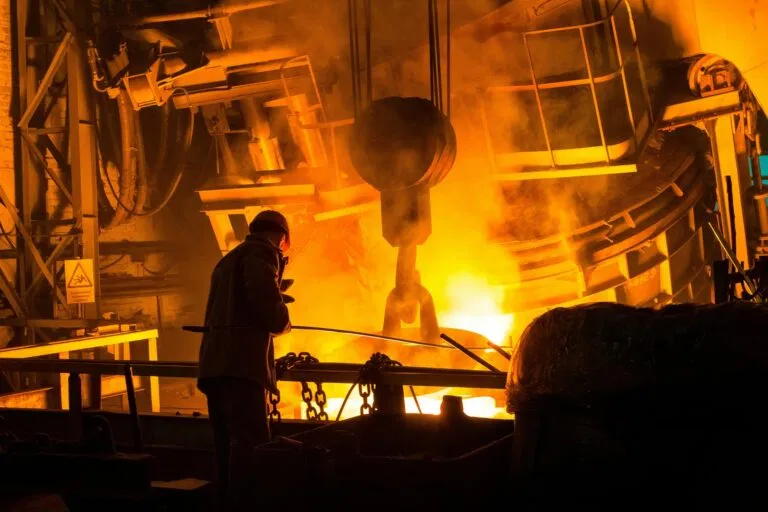
As we move through the third quarter of 2026, the global manufacturing landscape is undergoing a profound transformation. Driven by stringent sustainability mandates and the relentless pursuit of operational efficiency, decision-makers in the aluminum and metal recycling furnace sectors are facing a critical hardware crossroad: Induction vs. Gas.
At Continental Furnaces, our 35+ years of expertise has taught us that the "better" furnace is rarely about the heating method alone: it is about the integration of that technology into your specific production ecosystem. Whether you are operating a high-volume steel rolling mill or a specialized facility for the wire and cable industry, the choice between electromagnetic induction and combustion-based gas melting will define your plant's profitability for the next decade.
The 2026 Thermal Processing Landscape: Why the Choice Matters Now
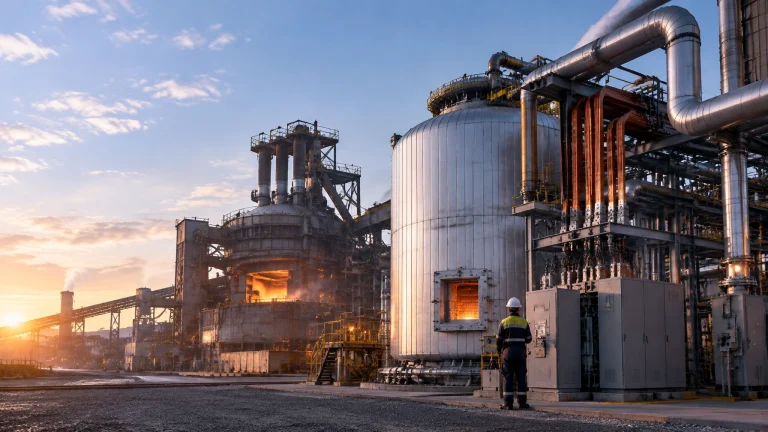
The industrial sector is no longer just about melting metal; it is about managing thermal energy as a strategic asset. With carbon pricing now a reality in many global markets and energy volatility remaining a core risk, your aluminum melting furnace must do more than just reach 750°C: it must do so with minimal oxidation loss and maximum thermal retention.
Key Decision Drivers for 2026:
- Decarbonization Targets: Induction offers a direct path to net-zero when paired with renewable energy.
- Yield Optimization: Reducing dross and metal loss is the fastest way to improve ROI in aluminum processing.
- Grid vs. Pipeline: The local availability and cost of electricity vs. natural gas/PNG remain the primary economic pivots.
Technical Benchmarks: A Comparative Analysis
To understand the quantum leap in technology available today, we must look at the empirical data. Traditional gas reverberatory furnaces, while robust, often struggle with thermal efficiency and metal oxidation compared to modern industrial furnace systems.
Efficiency and Performance Metrics
| Metric | Induction Melting (Coreless/Channel) | Gas-Fired Melting (Shaft/Reverb) |
|---|---|---|
| Typical Thermal Efficiency | 60% to 90% (Direct heating) | 20% to 50% (Dependent on recovery) |
| Metal Oxidation (Dross) | 0.5% – 1.2% (Low oxidation) | 2.0% – 5.0% (High surface exposure) |
| Energy Consumption | ~500–600 kWh per ton | ~700–1,000+ kWh equivalent per ton |
| Melting Speed | Ultra-Fast (Rapid agitation) | Moderate to Slow (Convective) |
| Emissions Profile | Zero on-site CO2/NOx | Significant combustion exhaust |
| Capital Investment (Capex) | High (Electronic complexity) | Moderate (Lower entry barrier) |
Continental Furnaces Insight: For high-value alloys and recycling projects where metal yield is the primary KPI, induction technology typically delivers a 20% reduction in total operating costs despite the higher initial capital expenditure.
Deep Dive: The Case for Induction Furnaces

In 2026, induction melting is no longer a niche solution. It has become the standard for plants prioritizing precision and metallurgical purity.
1. Superior Metal Quality and Yield
Induction furnaces create an inherent "electromagnetic stirring" effect. This ensures a completely homogenous melt, which is essential for the wire and cable industry where consistent conductivity and tensile strength are non-negotiable. Furthermore, because there is no direct flame contact, the formation of aluminum oxide (dross) is drastically reduced, leading to yield improvements of up to 3% over traditional gas systems.
2. Industry 4.0 Integration
Modern induction systems from industrial furnace manufacturers like Continental Furnaces now feature AI-driven power management. These systems predict coil wear and optimize the melting cycle in real-time to avoid peak-shaving penalties from the electrical grid.
3. Footprint and Maintenance
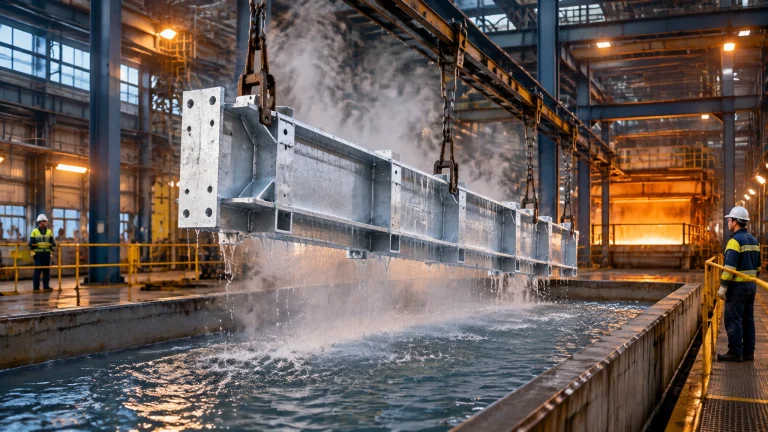
Induction units are significantly more compact. For facilities looking to expand capacity within an existing hot dip galvanizing plant or stamping shop without expanding their physical building, induction offers the highest "melt-per-square-meter" ratio.
The Resilient Alternative: High-Efficiency Gas Furnaces
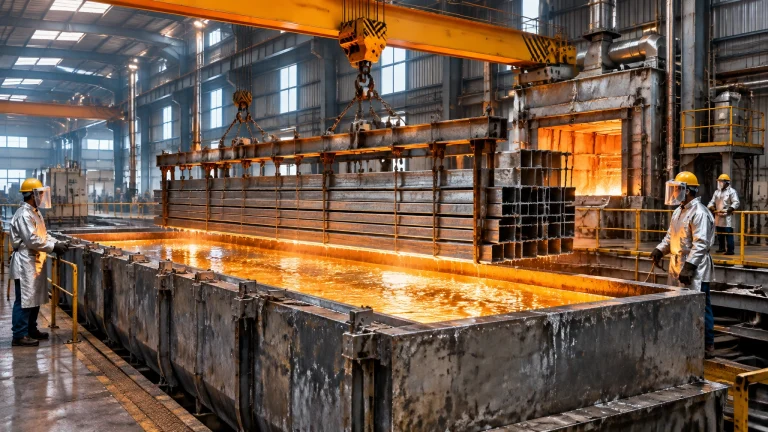
While electricity is the future, gas-fired systems remain the backbone of large-scale, continuous melting operations: provided they utilize 2026-grade thermal recovery technology.
When Gas Wins:
- Massive Throughput: For continuous casting where you are melting 10 to 120 tons per hour (tph), the sheer energy density of gas remains hard to beat economically in regions with low gas tariffs.
- Infrastructure Constraints: Many older industrial zones lack the substation capacity required for multi-megawatt induction loads.
- Dual-Fuel Versatility: Modern melting furnaces for steel and aluminum can often be configured with multi-fuel burners (Natural Gas, LPG, or Bio-gas) to provide a hedge against energy market fluctuations.
The Maintenance Factor: Furnace Spare Parts
Regardless of the furnace type, downtime is the enemy of profit. Continental Furnaces provides a comprehensive inventory of furnace spare parts, ranging from high-velocity burners and recuperators for gas systems to specialized water-cooled cables and capacitors for induction units. Our super prompt service ensures that your thermal processing equipment maintains its ISO-certified performance levels throughout its lifecycle.
Strategy Roadmap: Phase-by-Phase Implementation
Choosing the right technology requires a structured approach. We recommend the following roadmap for plant managers evaluating an upgrade:
Phase 1: The Energy Audit and ROI Modeling
Don't guess; calculate. Use current 2026 energy rates and include projected carbon taxes. At Continental Furnaces, we provide customized solutions and ROI simulations to help you determine if the lower Opex of induction justifies the Capex.
Phase 2: Technical Specification and Customization
Whether it is a bogie hearth furnace for heat treatment or a metal recycling furnace for aluminum chips, the furnace must be sized to your specific alloy mix. For example, melting 800 kg/hr of aluminum chips requires different atmospheric controls than melting heavy ingots.
Phase 3: Installation and PLC Integration
Modern furnaces should be integrated into your plant-wide SCADA system. Our furnaces are designed for seamless automation capability, allowing for remote monitoring and predictive maintenance alerts.

Conclusion: Partnering for a Sustainable Future
The debate between induction and gas is no longer a simple cost-per-BTU calculation. It is a strategic decision involving yield, environmental compliance, and long-term operational flexibility.
As a leading industrial furnace manufacturer, Continental Furnaces is more than just a hardware vendor; we are your strategic partners in thermal processing. From heat treatment furnaces that optimize metal performance to advanced aluminum melting furnaces that slash energy waste, our goal is to provide the engineering excellence you need to maintain a sustained competitive advantage.
Take the Next Step
Are you ready to optimize your plant's thermal efficiency? Whether you are looking for a state-of-the-art induction system or a high-recovery gas furnace, our consultants are ready to build your customized roadmap.
Contact Continental Furnaces today for a comprehensive technical assessment of your melting operations.