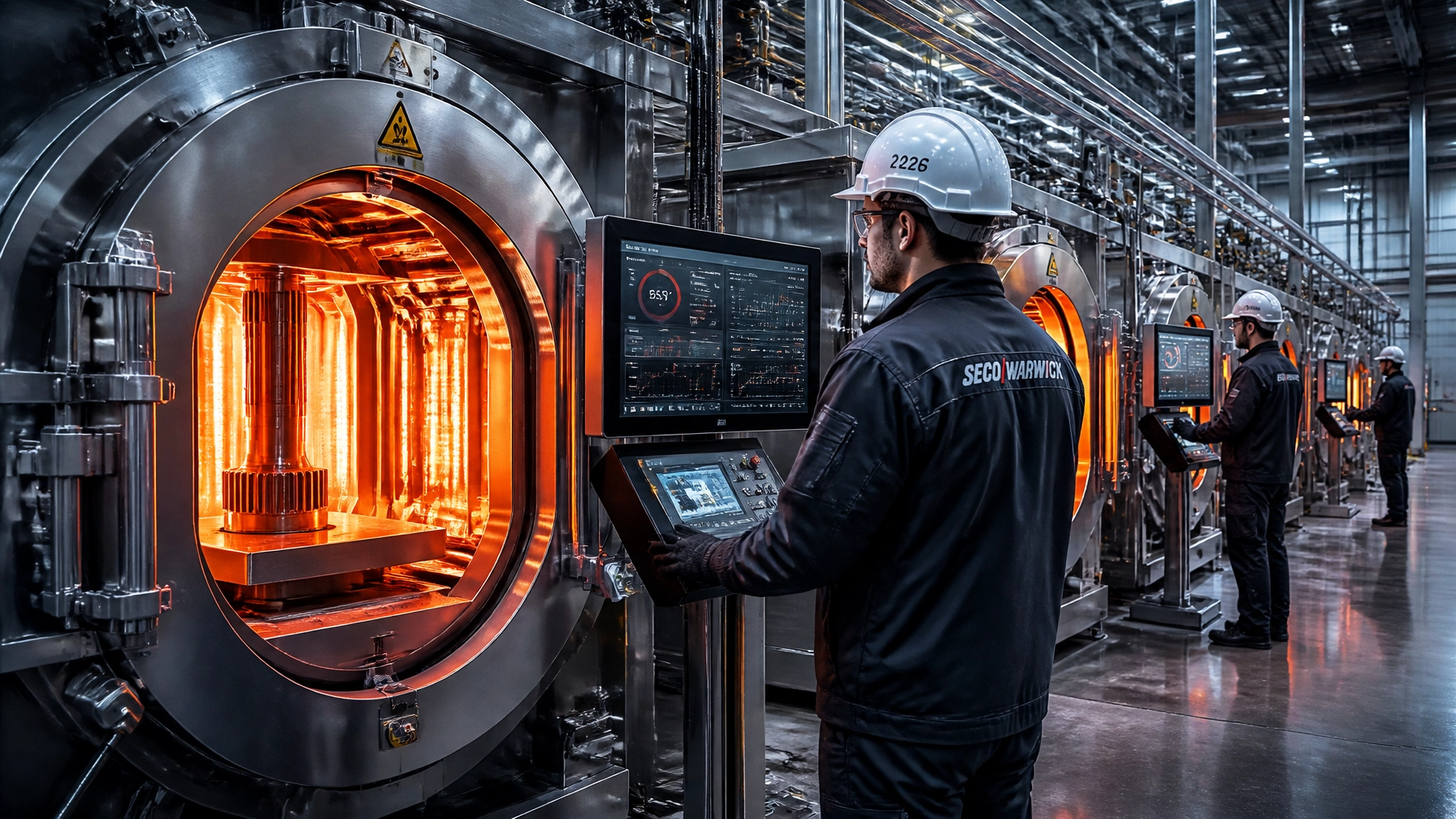
In the high-stakes world of industrial manufacturing, the margin for error in thermal processing is narrowing every year. As we move through 2026, the demand for hyper-precision in the steel rolling mill sector and the wire and cable industry has reached an all-time high. Yet, many facilities continue to operate with legacy mindsets, leading to inconsistent metallurgical results, skyrocketing energy costs, and catastrophic equipment downtime.
At Continental Furnaces, with over 35 years of engineering pedigree, we have observed a recurring pattern of operational oversights. These aren't just minor glitches; they are systemic inefficiencies that erode your bottom line. Below is our professional roadmap to identifying and rectifying the seven most critical mistakes currently plaguing heat treatment furnaces and thermal processing equipment.
1. Operating with "Ghost" Readings: Ignoring Temperature Uniformity
Many operators trust their control panel implicitly, assuming the temperature displayed is the temperature of the workload. This is a dangerous fallacy. Over time, thermocouples drift, and internal furnace dynamics shift due to scale buildup or fan degradation.
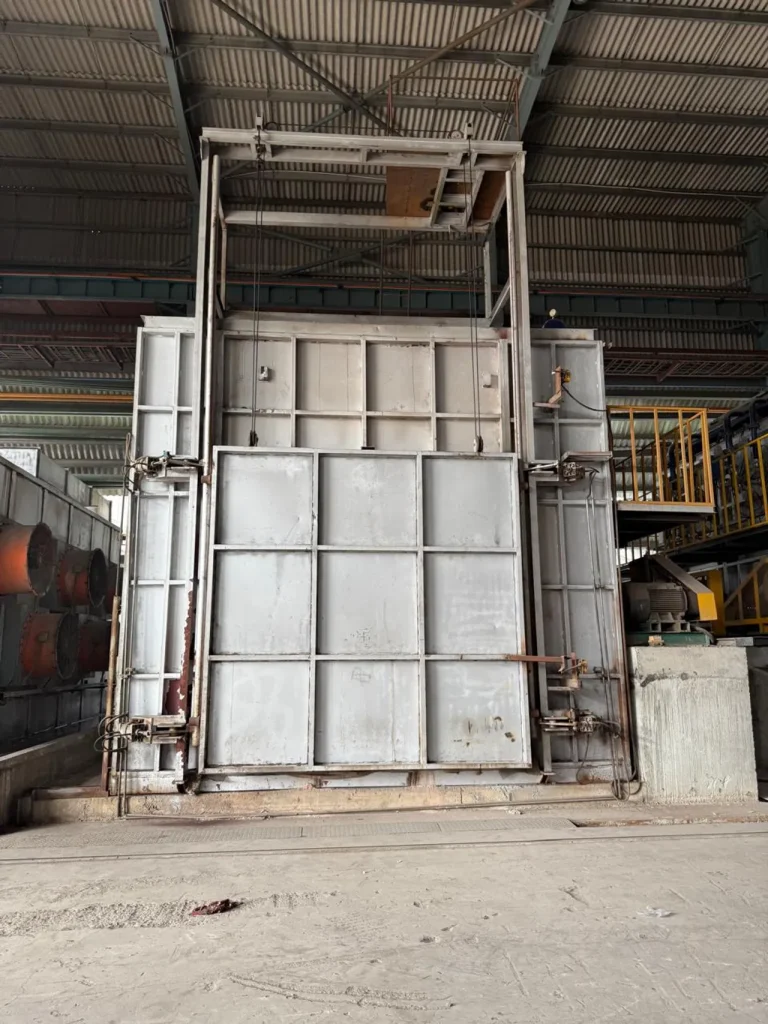
The Fix: Implement rigorous Temperature Uniformity Surveys (TUS) as mandated by AMS2750 or equivalent ISO standards. If you are operating a Bogie Hearth Furnace or a Pit Type Annealing Furnace, ensure your sensors are calibrated monthly. In 2026, we recommend integrating multi-point digital tracking to eliminate "cold spots" that compromise the structural integrity of steel rods and coils.

2. The False Economy of Generic Furnace Spare Parts
One of the most frequent errors we encounter as an industrial furnace manufacturer is the procurement of third-party, non-OEM components. While generic heating elements or cast alloys may appear cheaper upfront, they often possess inferior metallurgical compositions that fail prematurely under the thermal cycling of a melting furnace for steel.
The Fix: Always source Furnace Spares & Accessories directly from the manufacturer. Genuine parts are engineered for specific expansion coefficients and oxidative resistance, extending the Mean Time Between Failures (MTBF) by up to 40%.
3. Neglecting Refractory Integrity and "Thermal Leaks"
A single hairline crack in your refractory lining can lead to a 15-20% spike in energy consumption. In a large-scale aluminum melting furnace or a metal recycling furnace, this energy loss translates into hundreds of thousands of dollars in annual waste. Air infiltration through degraded door seals is equally detrimental, as it introduces oxygen that causes decarburization and surface scaling.
The Fix: Schedule quarterly thermal imaging audits. Modern industrial furnace systems utilize advanced ceramic fiber modules and high-density refractories that require specific patching techniques. Don’t wait for a structural failure; proactive relining is an investment in energy efficiency.

4. Poor Atmosphere Control in the Wire and Cable Industry
For the wire and cable industry, surface finish is everything. A common mistake is failing to maintain the precise CO/CO2 or Hydrogen-Nitrogen balance required for bright annealing. Fluctuating dew points lead to oxidized wire surfaces, which cause downstream failures in drawing and coating processes.
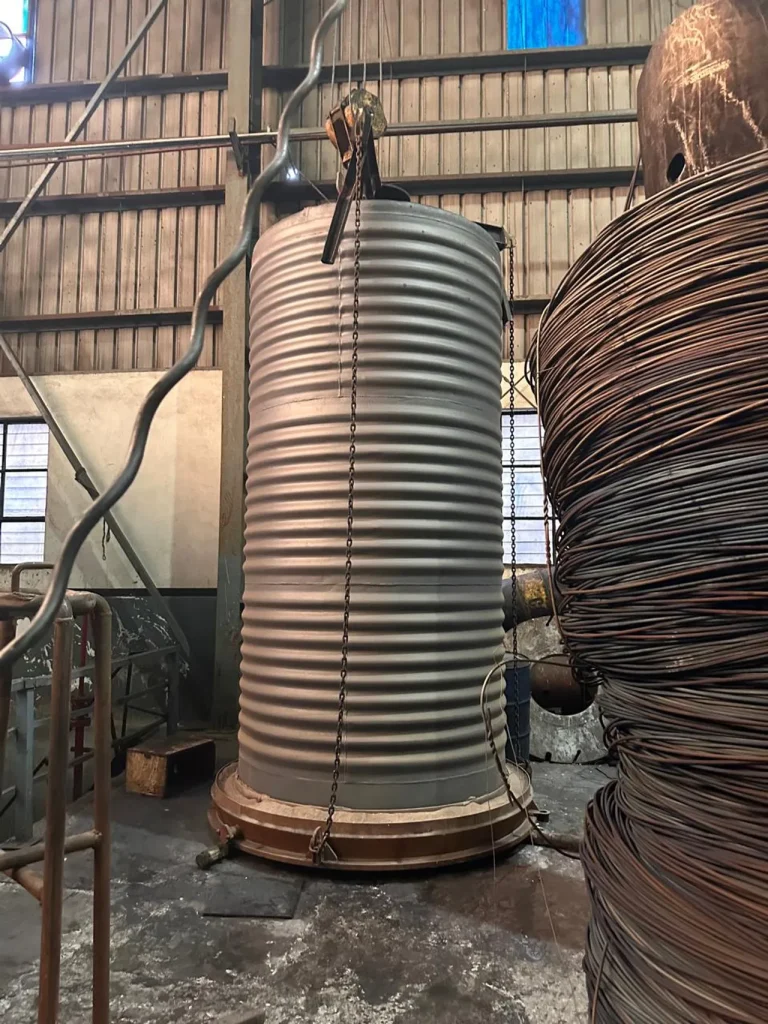
The Fix: Move beyond manual gas regulation. 2026-standard Bell Type Annealing Furnaces now feature automated gas mixing stations with real-time oxygen probe feedback. This ensures a consistent protective atmosphere, crucial for both ferrous and non-ferrous applications.
5. Misapplying Melting Furnaces for Heat Treatment Tasks
We often see facilities attempting to repurpose a melting furnace for steel to perform delicate stress-relieving or tempering operations. These furnaces are designed for high-intensity BTU output, not the nuanced, ramp-and-soak control required for secondary thermal processing. This results in grain growth and brittle components.
The Fix: Use the right tool for the job. Precision requires dedicated heat treatment furnaces with advanced PLC logic. If your operation involves varied processes, consider a modular Continuous Furnace design that allows for distinct heating and cooling zones.
| Feature | Traditional Furnace (Pre-2022) | Continental 2026 Smart System |
|---|---|---|
| Control Logic | Basic PID Loops | AI-Driven Predictive Modeling |
| Fuel Efficiency | 35% – 45% Recovery | Up to 85% with Recuperative Burners |
| Downtime Monitoring | Reactive (After Failure) | Predictive (Condition-Based) |
| Data Integration | Paper Charts / Local HMI | Full Cloud/ERP Integration |
| Uniformity | ±10°C | ±3°C or better |
6. Reactive Instead of Predictive Maintenance
Waiting for a burner to flame out or a roller to seize is a strategy of the past. In the modern steel rolling mill, unplanned downtime can cost upwards of $10,000 per hour. Many facilities still rely on "fix it when it breaks" maintenance, which is the most expensive way to run a plant.
The Fix: Adopt Industry 4.0 standards. By monitoring fan vibration, burner gas-to-air ratios, and element resistance in real-time, you can predict failures weeks in advance. Our Centralized Control Decks provide the data visualization needed to turn maintenance into a strategic advantage.

7. Overlooking Quench-to-Furnace Synchronization
Mistakes in thermal processing often happen after the metal leaves the furnace. Inadequate agitation in the quench tank or inconsistent oil temperatures lead to distortion and non-uniform hardness, even if the furnace cycle was perfect.
The Fix: Treat the furnace and quench tank as a single, integrated system. In Hot Dip Galvanizing Plants and hardening lines, the transfer time and quench medium temperature must be digitally interlocked with the furnace exit signal to ensure metallurgical consistency.
The Roadmap to Thermal Excellence
Optimizing your facility isn't an overnight task; it requires a structured approach. We recommend following this 3-Phase Modernization Roadmap:
Phase 1: The Thermal Audit (Weeks 1-2)
Perform a comprehensive audit of your current equipment. This includes thermal imaging of the shell, TUS of the heating zones, and a review of your furnace spare parts inventory.
Phase 2: Control System Digitalization (Weeks 3-8)
Upgrade legacy analog controllers with IoT-enabled PLCs. This phase focuses on gathering the data necessary to eliminate "Ghost" readings and improve atmosphere control.
Phase 3: Hardware Optimization (Ongoing)
Replace inefficient burners with recuperative technology and upgrade refractory linings. Ensure that every piece of thermal processing equipment is serviced using OEM components to guarantee 2026 performance levels.
Conclusion: Securing Your Competitive Advantage
In the evolving landscape of 2026, "good enough" thermal processing is a liability. Whether you are operating a Melting Furnace & Recycling Project or a complex galvanizing line, the path to profitability lies in technical precision and proactive maintenance.
As a leading industrial furnace manufacturer, Continental Furnaces is more than a vendor; we are your strategic partner in engineering excellence. Let us help you eliminate these seven mistakes and transform your thermal operations into a high-efficiency powerhouse.
Ready to modernize? Consult with our senior engineering team today to schedule your 2026 Thermal Efficiency Audit.