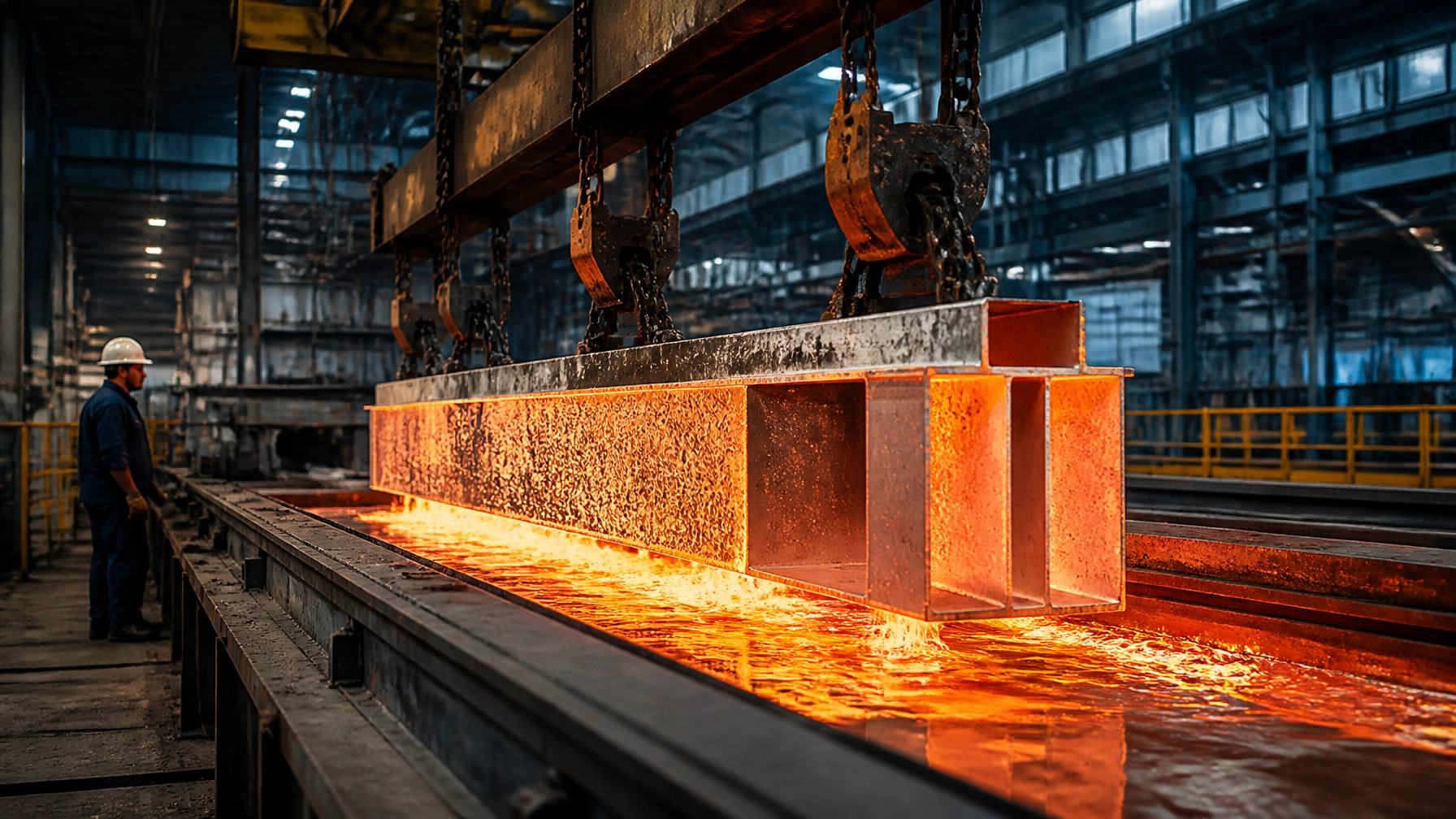
In the high-stakes world of industrial metal finishing, a hot dip galvanizing plant is more than just a series of chemical tanks and a zinc kettle; it is a complex thermal ecosystem where precision is the only currency that matters. With over 35 years of experience as a leading industrial furnace manufacturer, Continental Furnaces has observed that the difference between a high-yield operation and a facility plagued by rework often comes down to seven critical, yet avoidable, mistakes.
As we move into 2026, the integration of Industry 4.0 and advanced thermal processing equipment has set a new benchmark for efficiency. Whether you are serving the wire and cable industry or managing a steel rolling mill, staying competitive requires a transition from "traditional" methods to data-driven excellence.
1. Inadequate Surface Pre-treatment (The "Invisible" Defect)
Many operators view degreasing and pickling as secondary steps to the actual dipping. This is a foundational error. Organic contaminants like heavy oils, welding slag, or epoxies cannot be removed by acid alone.
The Fix: Implement a rigorous, multi-stage cleaning protocol. Use mechanical grit blasting for heavy scales and ensure your pickling acid concentration is monitored via automated sensors. At Continental Furnaces, we advocate for integrated pre-treatment lines that synchronize with your industrial furnace systems to ensure the steel is chemically "hungry" for zinc bonding.
2. Inconsistent Thermal Management in the Zinc Kettle
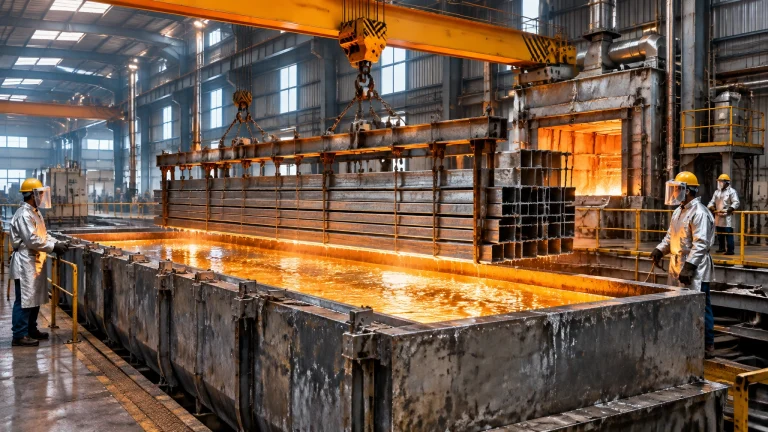
Thermal shock and temperature fluctuations are the silent killers of both product quality and kettle longevity. Operating a zinc bath with a variance of more than ±2°C leads to uneven coating thickness and increased dross formation.
The Fix: Modernize your burner systems. Utilizing high-velocity, pulse-fired burners: similar to those used in high-end heat treatment furnaces: provides uniform heat distribution. This prevents "hot spots" that cause localized kettle erosion.

3. Neglecting Flux Chemistry and Density
The flux tank is often the most neglected stage in the plant. A contaminated or low-density flux bath results in poor "wetting," leading to bare spots and "black skin" defects. This is particularly prevalent in high-volume operations where the carry-over from pickling tanks isn't properly neutralized.
The Fix: Maintain a strict flux density (typically 1.15 to 1.20 g/cm³) and pH level. In 2026, many top-tier plants are adopting continuous flux filtration systems to remove iron salts, which significantly reduces the need for expensive furnace spare parts caused by dross-related abrasion.
4. Suboptimal Withdrawal Dynamics
Rushing the withdrawal process is a common mistake aimed at increasing throughput. However, excessive withdrawal speeds result in runs, drips, and "icicles," which require extensive post-process grinding.
The Fix: Automate your hoist sequences. By programming precise withdrawal angles and speeds (typically 1.5 to 2.5 meters per minute, depending on the geometry), you ensure a smooth, uniform finish. This is a standard feature in our advanced galvanizing solutions.
5. Ignoring Steel Reactivity (The Sandelin Effect)
Not all steel is created equal. Silicon and phosphorus levels in the steel can cause a "hyper-reactive" state, leading to excessively thick, brittle coatings that flake off under mechanical stress.
The Fix: Establish a "Partnership of Precision" with your steel suppliers. Ensure that the steel grades used in your steel rolling mill or fabrication shop fall within the recommended ranges (e.g., Silicon < 0.04% or between 0.15% and 0.25%). If you must galvanize reactive steel, adjust the bath temperature and immersion time immediately.
6. Poor Dross and Ash Management
Allowing dross to accumulate at the bottom of the kettle doesn't just reduce your working volume; it acts as an insulator, forcing your burners to work harder and increasing fuel consumption. Similarly, surface ash that isn't properly skimmed will adhere to the product, causing unsightly inclusions.
The Fix: Implement a "Clean Bath" protocol. Use automated skimming devices and schedule regular drossing cycles based on tonnage processed. This practice mirrors the efficiency found in a modern aluminum melting furnace or metal recycling furnace, where slag management is critical to purity.

7. Resisting the Shift to Industry 4.0
In 2026, operating a plant based on "feel" or "intuition" is no longer viable. The biggest mistake today's plant managers make is failing to integrate real-time data analytics into their thermal processing equipment.
The Fix: Invest in a centralized control system. Monitoring gas consumption, bath temperature, and chemical concentrations in real-time allows for predictive maintenance, significantly reducing downtime.
Comparative Analysis: Traditional vs. 2026 Smart Galvanizing
| Feature | Traditional Approach | 2026 Smart Plant (Continental Standard) |
|---|---|---|
| Temperature Control | Manual / Analog | AI-Driven Predictive Logic (±1°C) |
| Zinc Consumption | High (5-7% over-coating) | Optimized (±2% of Target) |
| Energy Source | High-emission gas burners | High-velocity Recuperative Burners |
| Maintenance | Reactive (Fix when broken) | Proactive (Sensor-based alerts) |
| ROI Period | 48 – 60 Months | 24 – 36 Months (via Efficiency Gains) |
The 2026 Modernization Roadmap
Transitioning your facility to a world-class standard requires a phased approach:
- Phase 1: Diagnostic Audit (Weeks 1-2): Evaluate current zinc consumption, energy bills, and rework rates.
- Phase 2: Thermal Optimization (Weeks 4-8): Upgrade to high-efficiency burners and precision thermocouples.
- Phase 3: Digital Integration (Weeks 10-14): Install IoT sensors for real-time monitoring of the melting furnace for steel and galvanizing kettle.
- Phase 4: Staff Upskilling (Ongoing): Train operators on data interpretation and advanced metallurgy.
Sustained Competitive Advantage
At Continental Furnaces, we don't just sell equipment; we engineer enduring partnerships. Whether you are looking for a complete turnkey pickling plant or specialized furnace spare parts, our mission is to ensure your thermal processes are a source of profit, not a point of failure.
The path to a zero-defect hot dip galvanizing plant starts with technical discipline. Stop making the mistakes of the past and embrace the engineered solutions of the future.
Are you ready to optimize your thermal processing yield? Contact the experts at Continental Furnaces today for a comprehensive plant audit and a custom-engineered modernization plan.