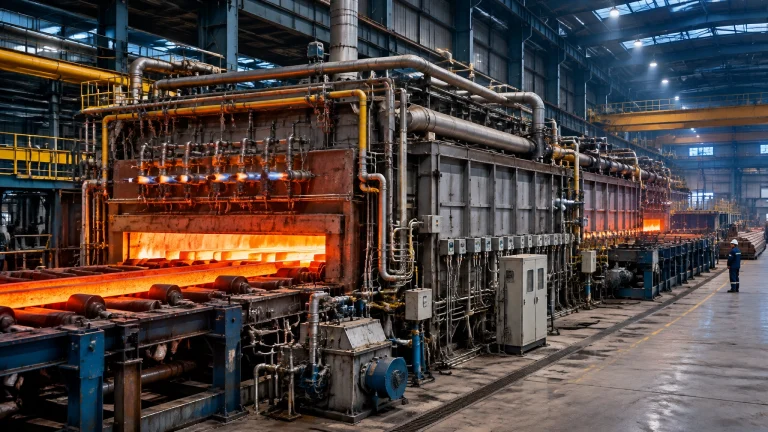
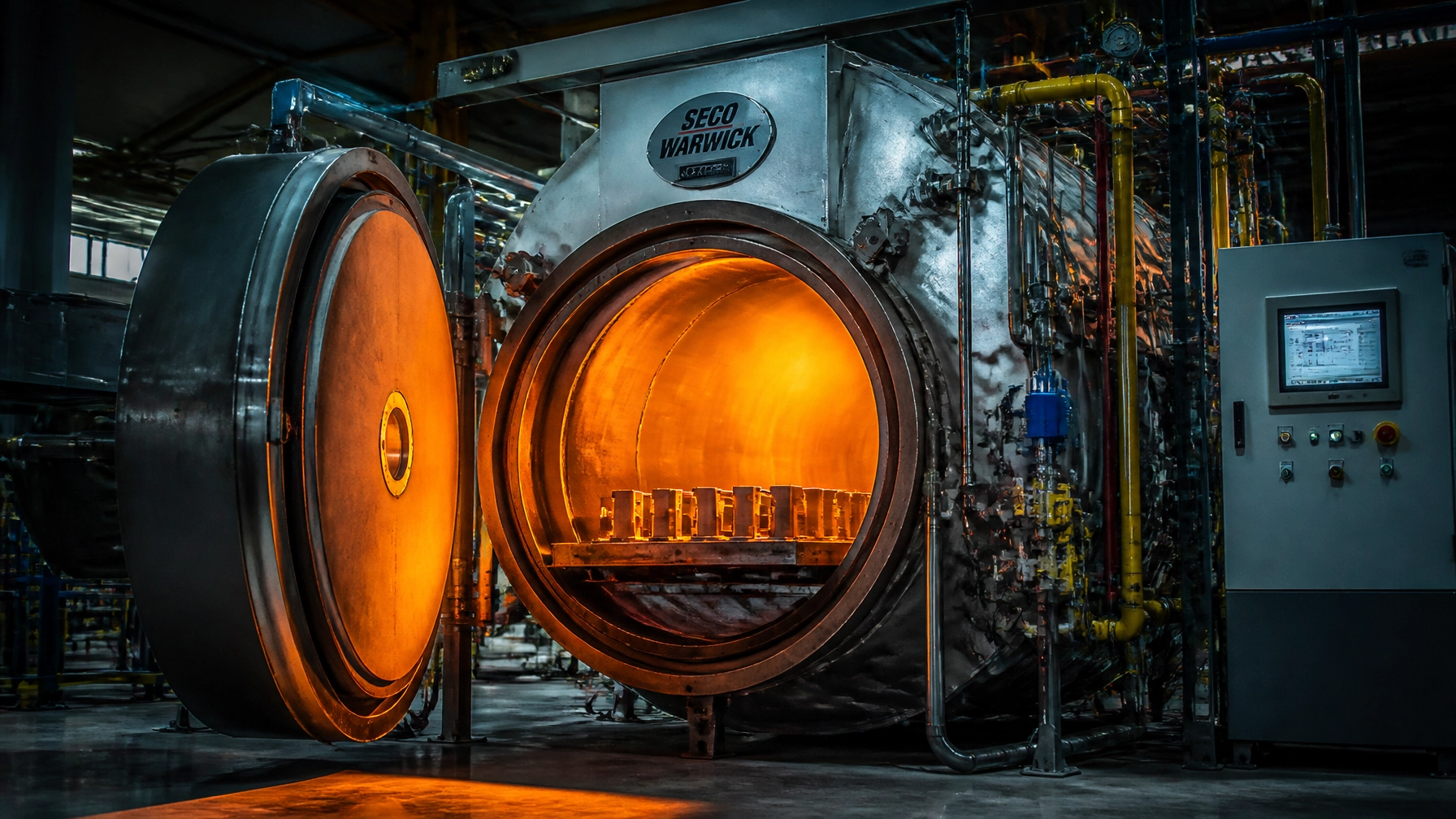
In the high-stakes arena of thermal processing, the line between operational excellence and costly inefficiency is often drawn by the smallest technical oversights. With over 35 years of industry tenure, Continental Furnaces has observed a recurring pattern of systemic errors in the management of heat treatment furnaces and melting systems. These errors do more than just inflate utility bills; they compromise metallurgical integrity, accelerate asset depreciation, and erode your competitive advantage.
Transitioning from "standard" operations to a high-performance, sustainable model requires a shift from reactive troubleshooting to proactive, data-driven engineering. Below, we dissect the seven most critical mistakes industrial facilities make today and provide the strategic roadmap to rectify them.
1. Compromised Thermal Integrity: Ignoring the "Invisible" Heat Leak
The most prevalent drain on profitability in any steel rolling mill or wire plant is the degradation of insulation and door seals. When refractory linings thin or door gaskets harden, you aren't just losing heat; you are forcing your combustion system to overcompensate, leading to uneven temperature zones and shortened burner life.
- The Fix: Implement a bi-monthly thermal imaging audit. A mere 5% improvement in thermal retention can result in a 12-15% reduction in fuel consumption. Replace hardened seals immediately and utilize high-grade ceramic fiber modules for localized refractory repairs to maintain a consistent thermal envelope.
2. Misplaced Sensors and Calibration Drift
An industrial furnace is only as accurate as its primary sensing element. We frequently find thermocouples pushed too deep into the refractory: measuring wall temperature rather than the internal atmosphere: or sensors that have drifted out of calibration over years of service. In aluminum melting furnaces, this oversight can lead to catastrophic over-firing, resulting in metal loss through excessive dross or even structural damage to the furnace roof.

- The Fix: Standardize a Temperature Uniformity Survey (TUS) schedule. Ensure sensor tips are positioned in the working zone as per OEM specifications. For high-precision alloys, utilize redundant sensing: pairing a control thermocouple with a safety over-temperature sensor to prevent "runaway" heating cycles.
3. Imbalanced Combustion Dynamics
Many facilities operate with "set-and-forget" burner configurations. However, fluctuations in ambient air temperature and gas pressure can shift your air-fuel ratio into inefficient territory. Running "too rich" causes soot buildup and incomplete combustion, while running "too lean" wastes energy by heating excess air that simply exits through the flue.
- The Fix: Invest in modern, energy-efficient furnace systems equipped with automated air-fuel ratio controllers. Regular analysis of flue gas: targeting O2 levels between 2% and 3%: ensures you are hitting the "sweet spot" of combustion efficiency.
4. Inefficient Loading Strategies and Restricted Airflow
The geometry of your load dictates the uniformity of your heat treatment. Overcrowding a batch or placing tall components in a way that blocks high-velocity fans creates "cold spots." This forces operators to extend soak times to ensure the core of the load reaches temperature, which essentially burns money while potentially over-treating the outer layers of the metal.
- The Fix: Utilize standardized loading racks and baskets designed to facilitate laminar airflow. By optimizing load spacing, you can often reduce soak times by 15-20%, increasing the daily throughput of your facility without adding new equipment.
5. The "Run-to-Failure" Maintenance Trap
Reactive maintenance is the enemy of Industry 4.0. Waiting for a burner to fail or a conveyor chain to snap in a continuous heat treatment furnace results in unplanned downtime that costs thousands per hour. Furthermore, running worn components significantly increases the "specific fuel consumption" per ton of processed steel.

- The Fix: Shift to a predictive maintenance model. Maintain a strategic inventory of furnace spare parts and monitor vibration and current draw on critical motors. A well-maintained furnace has a 30% longer service life than one managed through reactive repairs.
6. Utilizing Obsolete Control Architectures
Legacy PID controllers often lack the granularity required for modern metallurgical standards. If your furnace controls are not integrated with a centralized monitoring system, you are missing out on the "Digital Twin" advantages of modern manufacturing. Manual logging of furnace data is prone to error and makes it impossible to identify subtle trends in energy drift or quality deviations.
- The Fix: Upgrade to PLC-based control systems with SCADA integration. Modern systems allow for remote monitoring and real-time data logging, providing the transparency needed to meet ISO-certified quality standards and sustainability targets.
7. Misalignment of Furnace Type with Material Requirements
A common mistake in the wire and cable industry is using a general-purpose furnace for specialized annealing or galvanizing processes. Using a furnace that isn't engineered for your specific material throughput often leads to excessive scale formation (oxidation) or "skid marks" in rolling mill reheating processes.

- The Fix: Ensure your thermal processing equipment is custom-engineered for your specific product mix. Whether it is a hot dip galvanizing plant or a metal recycling furnace, the geometry and heating method must match the metallurgy of your substrate.
Comparison: Traditional vs. Modern Thermal Systems
The table below illustrates the quantum leap in efficiency achieved by transitioning from legacy systems to Continental Furnaces' advanced engineering solutions.
| Metric | Legacy Furnace (20+ Years) | Continental High-Efficiency System | Improvement |
|---|---|---|---|
| Fuel Efficiency | 45% – 55% | 75% – 85%+ | +30% Yield |
| Temp. Uniformity | +/- 15°C | +/- 5°C or better | Precision Quality |
| Start-up Time | 4 – 6 Hours | 1.5 – 2 Hours | 60% Reduction |
| Control System | Manual/Analogue | PLC/SCADA Integrated | Industry 4.0 Ready |
| Maintenance Cycle | Reactive (Frequent) | Predictive (Scheduled) | 99% Uptime |
The Roadmap to Optimization: A Phase-Based Approach
Implementing these fixes is not an overnight task; it is a strategic progression toward a more profitable operation.
- Phase 1: Diagnostic Assessment – Conduct a comprehensive audit of your current furnace fleet, focusing on thermal leaks and sensor accuracy.
- Phase 2: Component Modernization – Replace inefficient burners and upgrade to digital control architectures to capture immediate energy savings.
- Phase 3: Process Integration – Align your loading practices and maintenance schedules with real-time data analytics.
- Phase 4: Sustained Evolution – Partner with an industrial furnace manufacturer for long-term lifecycle support and periodic technology injections.
Conclusion: Your Path to Sustained Competitive Advantage
The complexities of modern thermal processing demand more than just hardware; they require a partnership with experts who understand the nuances of the Circular Economy and Industrial Sustainability. Mistakes in furnace management are costly, but they are entirely preventable with the right engineering oversight.
At Continental Furnaces, we don't just sell equipment; we deliver high-performance, sustainable solutions that act as a catalyst for your growth. By addressing these seven critical areas, you can transform your thermal processing department from a cost center into a powerful engine of efficiency.
Ready to eliminate inefficiencies and optimize your thermal yield? Contact our engineering team today for a comprehensive facility audit and discover how our customized solutions can secure your operational future.