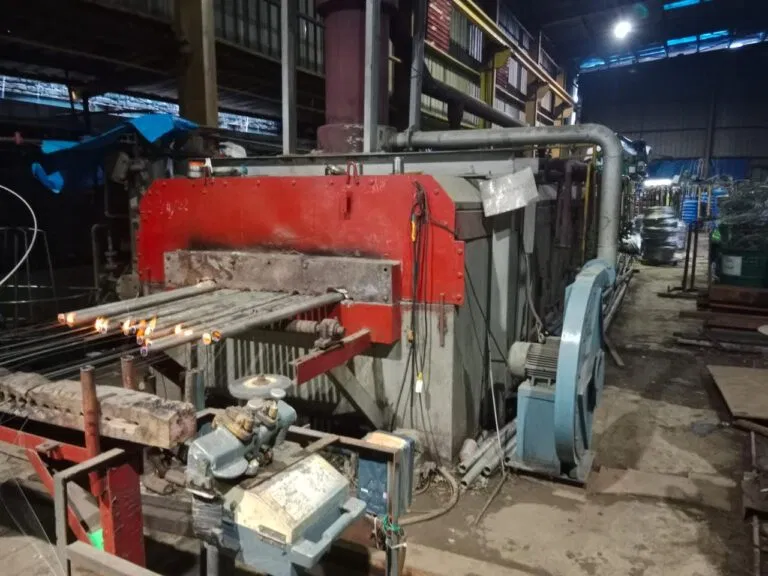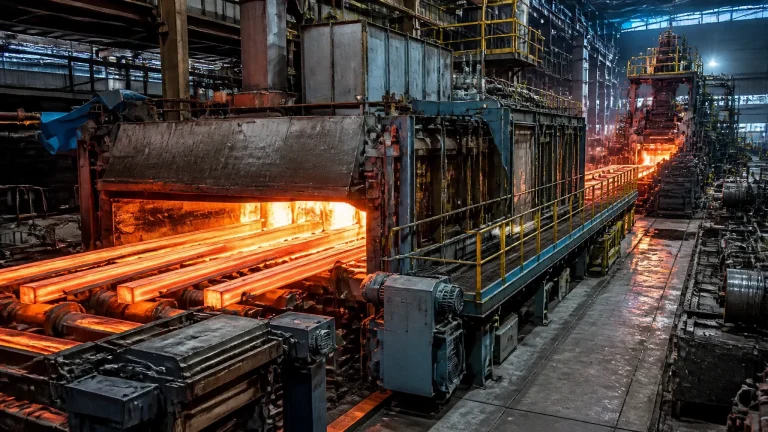
As we navigate the industrial landscape of 2026, the global steel industry faces a dual mandate: maximizing operational throughput while meeting increasingly stringent decarbonization targets. For owners and operators of a steel rolling mill, the traditional reliance on single-fuel combustion is no longer a viable long-term strategy. The emergence of hybrid heating technology represents a quantum leap in thermal processing equipment, offering a strategic pathway to bridge the gap between legacy efficiency and the carbon-neutral requirements of the future.
At Continental Furnaces, with over 35 years of engineering tenure, we view this shift not merely as a regulatory hurdle, but as a significant competitive advantage. This article provides a technical roadmap for integrating hybrid systems into your existing infrastructure to secure sustained profitability.
Phase 1: The Technical Framework of Hybrid Systems
Hybrid heating in 2026 is defined by the intelligent integration of natural gas combustion and electric induction or resistance heating. This dual-source approach allows for a level of precision that was previously unattainable in high-volume industrial furnace systems.
The Synergy of Gas and Electricity
In a modern hybrid configuration, natural gas burners provide the high-intensity energy required for bulk heating, while electric induction coils or radiant elements handle rapid temperature adjustments and "top-up" heating. This is particularly critical in the Wire and cable industry and high-grade steel production, where even a 5-degree variance can compromise metallurgical integrity.

Key technical benefits include:
- Rapid Thermal Response: Electric components can be energized or de-energized in seconds, allowing for precise control during mill stops or restarts.
- Uniform Heat Distribution: Strategically placed electric elements compensate for cold spots inherent in traditional gas-fired continuous furnaces.
- Reduced Scaling: By optimizing the heating curve, mills can achieve a 1.5% to 2% reduction in scale loss, directly increasing product yield.
Phase 2: Performance Benchmarks and Efficiency Gains
In 2026, data-driven assertions are the foundation of industrial investment. Our internal benchmarks and industry-wide deployments indicate that shifting to a hybrid model provides empirical gains that stabilize the bottom line.
Comparative Performance Table: Traditional vs. Hybrid
| Metric | Traditional Gas-Fired Furnace | Hybrid Gas-Electric System | Improvement |
|---|---|---|---|
| Energy Consumption | 1.8 – 2.2 GJ/tonne | 1.4 – 1.6 GJ/tonne | 15–25% Reduction |
| Direct CO₂ Emissions | 120 – 150 kg/tonne | 80 – 100 kg/tonne | ~30% Reduction |
| Start-up Time | 4 – 6 Hours | 1.5 – 2 Hours | 60% Faster |
| Temperature Tolerance | ±10°C | ±3°C | 70% Greater Precision |
| Yield (Scale Loss) | 2.5% – 3.0% | 0.8% – 1.2% | Significant ROI Gain |
These figures demonstrate that hybrid systems are not just about "going green"; they are about high-performance engineering. For facilities operating a melting furnace for steel or specialized heat treatment furnaces, these efficiencies represent millions in annual cost savings.
Phase 3: The Economic and Regulatory Roadmap (CBAM & Beyond)
As of June 2026, the Carbon Border Adjustment Mechanism (CBAM) has entered its definitive phase. For B2B clients in the metal recycling furnace and steel sectors, the carbon intensity of your product is now a primary price lever.
Strategic Regulatory Compliance
- Embedded GHG Verification: Hybrid systems allow for real-time load shifting. When the grid is carbon-heavy, you utilize gas; when renewable energy is abundant, you switch to electric. This flexibility minimizes the "carbon cost" of every ton produced.
- Sustainability as a Service: Implementing these systems positions your brand as a forward-thinking leader in the circular economy, appealing to high-value automotive and aerospace clients who demand low-carbon supply chains.

Phase 4: Digitalization and Industry 4.0 Integration
The true power of hybrid heating is unlocked through advanced process control. Modern industrial furnace manufacturer standards now include AI-assisted thermal modeling as a baseline feature.
By utilizing a centralized control deck, operators can monitor heat treatment furnaces with granular detail. AI algorithms predict the optimal fuel mix based on real-time energy pricing and production schedules, ensuring that the furnace operates at the "Golden Peak" of efficiency. This level of automation reduces the labor requirement for manual tuning by 40%, allowing your expert staff to focus on high-level process optimization.
Ensuring Longevity: The Role of Maintenance and Spare Parts
The transition to hybrid technology does not render your current assets obsolete; rather, it demands a more sophisticated approach to maintenance. The integration of high-voltage electric elements alongside gas-fired burners requires a rigorous inventory of furnace spare parts.
Essential Maintenance Roadmap:
- Phase 1: Sensor Calibration: Bi-monthly audits of oxygen and temperature sensors to ensure the combustion-to-electric handover is seamless.
- Phase 2: Radiant Tube Integrity: Regular inspection of high-alloy tubes to prevent localized overheating.
- Phase 3: Spare Parts Standardization: Maintaining a dedicated stock of high-grade heating elements and nozzle mix burners to minimize downtime during scheduled outages.

Whether you are operating an aluminum melting furnace or a massive hot dip galvanizing plant, the quality of your consumables determines your uptime. At Continental Furnaces, we provide super-prompt service and ISO-certified spares to ensure your "Quantum Leap" into hybrid heating remains a sustained success.
Conclusion: A Strategic Partnership for the Future
The shift toward hybrid heating is an essential evolution for any steel rolling mill aiming to remain competitive in 2026 and beyond. By combining the raw power of traditional thermal processing with the precision and sustainability of electrification, you are not just upgrading machinery: you are future-proofing your entire enterprise.
At Continental Furnaces, we do not merely supply equipment; we offer an enduring partnership rooted in 35 years of technical wisdom. From initial assessment to the commissioning of full-scale industrial furnace systems, our team is dedicated to your sustained competitive advantage.
Are you ready to optimize your thermal footprint? Contact our engineering team today for a comprehensive audit of your current furnace efficiency and a tailored roadmap for hybrid integration.