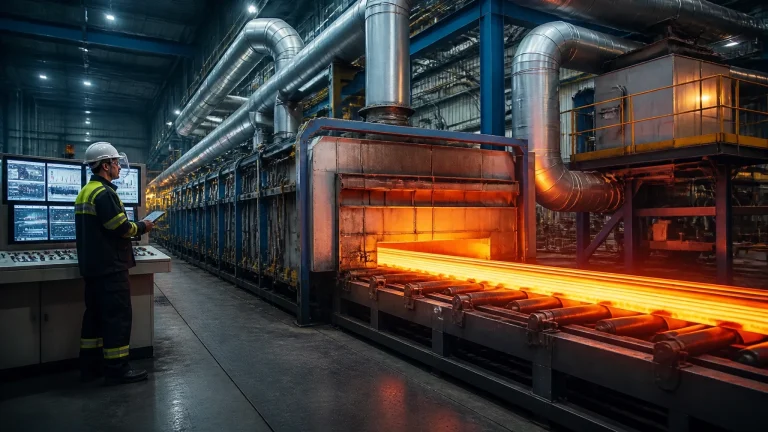
In the high-stakes world of industrial manufacturing, your thermal processing equipment is the beating heart of your production line. Whether you are operating a steel rolling mill, an aluminum melting furnace, or a complex hot dip galvanizing plant, the difference between a high-yield quarter and a logistical nightmare often comes down to a single variable: the precision of your maintenance strategy.
As we move through 2026, the "run-to-failure" mentality is no longer just inefficient: it is financially reckless. Modern industrial furnace systems have evolved into sophisticated, data-driven assets that require a level of care far beyond basic lubrication and cleaning. At Continental Furnaces, we have observed that even the most advanced facilities frequently succumb to seven critical maintenance oversights.
Here is how you can identify these technical pitfalls and transition toward a Quantum Leap in operational reliability.
1. The "Reactive Maintenance" Trap
The most pervasive error in the industry is treating maintenance as a response to failure rather than a preventative discipline. In a steel rolling mill, an unplanned shutdown due to a furnace outage can cost upwards of $15,000 per hour in lost productivity.
- The Fix: Transition to a Total Productive Maintenance (TPM) framework. By 2026, industry leaders are utilizing vibration analysis and thermal imaging to predict component fatigue before it manifests as a catastrophic failure.
2. Neglecting Refractory Integrity and Door Seals
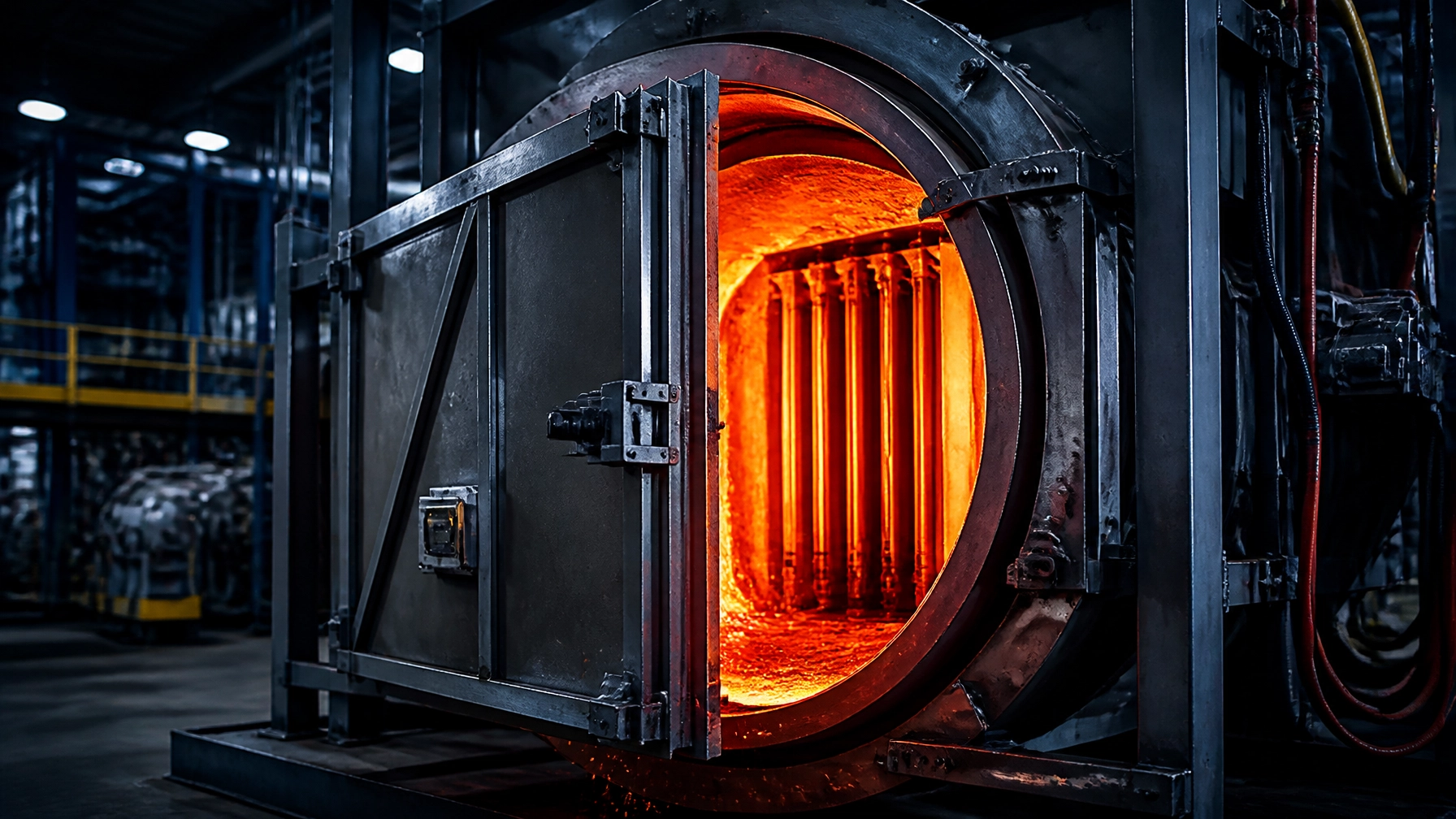
Your furnace’s refractory lining is its primary defense against energy loss. Over time, thermal cycling causes cracking and spalling. Many operators ignore minor cracks, but these are conduits for significant heat leakage, forcing your melting furnace for steel to consume 8-12% more fuel to maintain setpoint temperatures.
- The Fix: Conduct weekly visual inspections of door gaskets and seals. Use ultrasonic leak detectors to identify microscopic gaps in atmosphere-controlled furnaces, ensuring your thermal processing equipment maintains a hermetic seal.

3. Burner Drift and Improper Air-Fuel Ratios
Burner performance is not "set-and-forget." Over months of operation, burner orifices can clog with carbon deposits, and air-fuel ratios can drift. This imbalance leads to uneven heating zones, which is particularly detrimental in the Wire and cable industry, where precise annealing temperatures are non-negotiable for wire ductility.
- The Fix: Implement a quarterly combustion analysis. Calibrate your burners to ensure a "lean and clean" burn, which not only protects your metallurgical yield but also ensures regulatory compliance with 2026 emissions standards.
4. Disregarding Atmosphere Integrity
For industries requiring specialized finishes, such as those utilizing a Pickling Plant or a Hot Dip Galvanizing Plant, the atmosphere inside the furnace is as critical as the temperature. Oxygen ingress or moisture contamination can cause surface oxidation, leading to a 15% increase in reject rates.
- The Fix: Regularly test gas-train shutoff valves and monitor dew points continuously. If you are operating a metal recycling furnace, ensure that the oxygen sensors are cleaned and calibrated monthly to prevent alloy contamination.

5. Utilizing Sub-Standard or Non-OEM Spare Parts
The temptation to source generic furnace spare parts is a classic "false economy." Generic heating elements or thermocouples often lack the specific alloy composition required for extreme longevity, leading to premature failure and inaccurate data.
- The Fix: Partner with an established industrial furnace manufacturer like Continental Furnaces to source genuine, ISO-certified components. High-quality parts typically offer a 30% longer lifecycle, significantly reducing your Total Cost of Ownership (TCO).
6. Sensor Drift and TUS Neglect
A furnace is only as accurate as its sensors. Thermocouple drift is an invisible profit killer. If your furnace reports 900°C but is actually operating at 885°C, your parts may fail hardness tests, requiring expensive rework or resulting in total scrap.
- The Fix: Adhere strictly to AMS2750G or equivalent standards. Perform regular Temperature Uniformity Surveys (TUS) and System Accuracy Tests (SAT). In 2026, digital calibration logs are essential for maintaining the traceability demanded by automotive and aerospace clients.

7. The "Data Silo" Mistake (Ignoring Industry 4.0)
The final mistake is failing to leverage the wealth of data generated by modern industrial furnace systems. Many plants still rely on paper logs, which makes identifying long-term trends: such as a gradual rise in energy consumption: nearly impossible.
- The Fix: Integrate your furnace PLC with an IIoT (Industrial Internet of Things) platform. Real-time monitoring of power, gas, and temperature allows you to identify "micro-inefficiencies" that, when corrected, can improve overall furnace yield by up to 5%.
Comparative Analysis: Maintenance Philosophies
To remain competitive in 2026, you must understand the ROI of shifting your maintenance philosophy.
| Feature | Reactive Maintenance | Preventive Maintenance | Predictive (Industry 4.0) |
|---|---|---|---|
| Downtime | Unplanned & Costly | Scheduled | Minimal / Optimized |
| Energy Efficiency | Low (Heat Leaks) | Moderate | Maximum (Optimized) |
| Part Lifespan | Shortened | Extended | Maximized via AI |
| Safety Risk | High | Low | Low |
| ROI Period | N/A | 12-18 Months | 6-12 Months |
The Roadmap to Thermal Excellence: A 4-Phase Strategy
As your strategic partner, Continental Furnaces recommends a phased approach to modernizing your maintenance protocol.
- Phase 1: Audit & Assessment: Conduct a full thermal imaging scan of your heat treatment furnaces to identify heat loss and structural weaknesses.
- Phase 2: Standardization: Replace all generic components with high-performance furnace spare parts and standardize your calibration schedule.
- Phase 3: Digital Integration: Install smart sensors on critical components like motors, fans, and burners to feed real-time data into your management system.
- Phase 4: Optimization: Use gathered data to refine cycle times and temperatures, achieving the ultimate balance between energy efficiency and metallurgical quality.

Achieving a Sustained Competitive Advantage
In the modern industrial landscape, your furnace is not just a tool; it is a strategic asset. Neglecting its maintenance is an invitation to obsolescence. By addressing these seven common mistakes, you ensure that your facility operates at peak profitability, delivering the reliability your customers demand.
Continental Furnaces brings 35+ years of technical wisdom to every project, from custom melting furnaces to high-speed rolling mill solutions. Don't wait for a breakdown to realize the value of precision engineering.
Contact our technical consulting team today to schedule a comprehensive audit of your thermal processing systems and secure your competitive edge for the decade ahead.