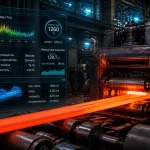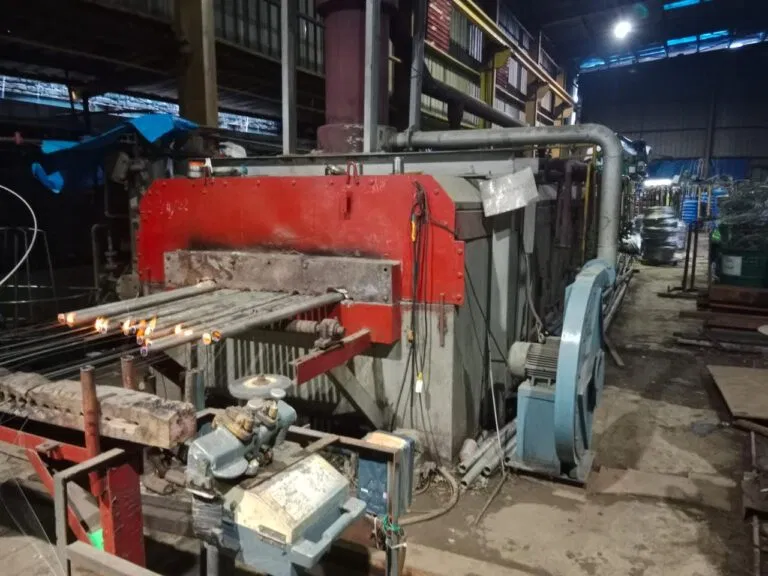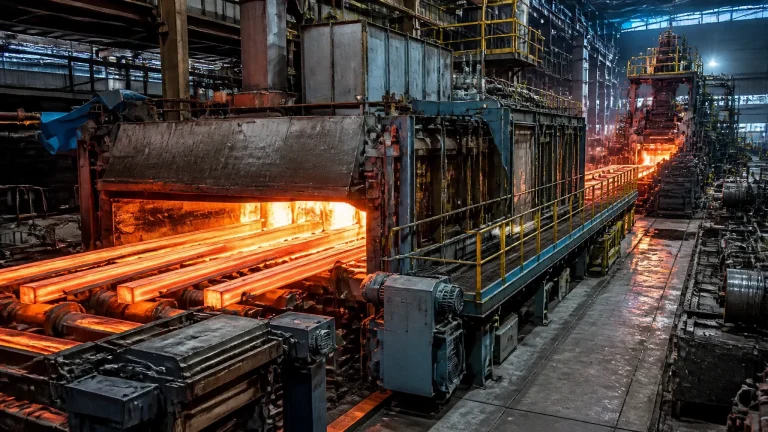
The global steel industry is standing at a technological crossroads. As we navigate through 2026, the demand for high-performance thermal processing equipment is no longer just about raw heat; it is about precision, intelligence, and a radical commitment to sustainability. At Continental Furnaces, with over 35 years of engineering pedigree, we have seen the shift from simple combustion to complex, integrated industrial furnace systems that act as the beating heart of a modern steel rolling mill.
Whether you are upgrading an existing facility or embarking on a greenfield project, the stakes have never been higher. Selecting a melting furnace for steel today requires a strategic perspective that looks five to ten years into the future.
Here are the 10 essential factors you must consider to ensure your investment delivers sustained competitive advantage in 2026 and beyond.
1. The Mandatory Shift to "Green Steel" Compatibility
The most significant shift in 2026 is the regulatory and market pressure for carbon-neutral production. Traditional blast furnaces are rapidly losing ground to Electric Arc Furnaces (EAF) and advanced induction systems that can be powered by renewable energy.
- Decarbonization Pathways: Look for furnaces compatible with H2-DRI (Hydrogen-Direct Reduced Iron) routes.
- Regulatory Compliance: Ensure your equipment meets the latest ISO and regional environmental benchmarks to avoid carbon taxes.
- The Bottom Line: Investing in a furnace that cannot integrate with a low-carbon supply chain is a "stranded asset" risk.
2. Radical Energy Efficiency Benchmarks
In 2026, energy is the single largest variable cost. Modern industrial furnace manufacturers are now hitting performance metrics that were considered impossible a decade ago.
- Target KPI: For scrap-based melting, aim for a total electricity consumption of sub-350 kWh/t.
- Heat Recovery: Systems must utilize waste-heat recovery (recuperators) to preheat combustion air or scrap, often resulting in a 15–20% fuel savings.
- Insulation: High-density, low-thermal-mass refractory linings are now the industry standard for minimizing shell losses.

3. Full Industry 4.0 & Real-Time Analytics
A furnace in 2026 is not just a box of fire; it is a data hub. The integration of the Internet of Things (IoT) has moved from "experimental" to "essential."
- Predictive Maintenance: Sensors monitor vibration in fans and thermal gradients in refractories to predict failures before they happen, reducing unplanned downtime by up to 30%.
- Automated Arc Regulation: For EAFs, AI-driven arc control stabilizes power input, reducing electrode consumption and grid flicker.
- Cloud Integration: Remote monitoring allows our experts at Continental Furnaces to provide super prompt service and troubleshooting from anywhere in the world.
4. Hybrid Heating & Electrification
The volatility of natural gas prices has led to a surge in hybrid heating solutions.
- Dual-Fuel Systems: Modern burners can switch between natural gas, hydrogen blends, and even bio-fuels seamlessly.
- Electrification: We are seeing a major trend toward aluminum melting furnaces and steel furnaces using induction technology for cleaner, more controllable melts.
- Flexibility: The ability to pivot your energy source based on real-time market pricing is a massive profitability driver.
5. Integration with the Circular Economy
Sustainability is now synonymous with the metal recycling furnace. In 2026, the ability to handle varying grades of scrap: including low-quality or contaminated scrap: is a major competitive edge.
- Scrap Preheating: Modern systems use furnace off-gases to preheat scrap to 600°C+, drastically cutting melting time.
- Yield Optimization: Advanced slag door designs and oxygen lancing systems ensure higher metal recovery rates.
- Recycling Projects: Continental Furnaces specializes in recycling plant setup, ensuring your melt shop can close the loop on material waste.
Comparison: Traditional vs. 2026 Modern Furnaces
| Feature | Traditional Furnace (Pre-2020) | Modern 2026 Furnace |
|---|---|---|
| Energy Consumption | 450-550 kWh/t | < 350 kWh/t |
| Control System | Manual / PLC Basic | AI-Driven / Industry 4.0 |
| Maintenance | Reactive (Fix when broken) | Predictive (AI Alerts) |
| Fuel Source | Fossil Fuel Only | Hybrid / H2-Ready / Electric |
| Data Logging | Paper Logs / Local Disk | Cloud-Based Real-Time Analytics |
| ROI Period | 5-7 Years | 3-4 Years (Due to Energy Savings) |
6. Refractory Durability and the Role of Spare Parts
The lifespan of your furnace is dictated by its weakest component. In the high-intensity environment of a steel rolling mill, thermal shock and chemical erosion are constant threats.
- Advanced Refractories: 2026 sees the rise of self-healing refractory castables and nanotech-enhanced bricks that extend lining life by 25%.
- Furnace Spare Parts Strategy: Never underestimate the value of a local, reliable supply chain for furnace spare parts. At Continental Furnaces, we maintain a comprehensive inventory to ensure that a simple component failure doesn't halt your entire production line.
- Refurbishment: Often, an imported furnace refurbishment with modern linings can provide 90% of the performance of a new unit at 40% of the cost.
7. Throughput Optimization for Rolling Mills
A melting furnace does not exist in a vacuum; it is part of a continuous flow. In 2026, the synchronization between the melting shop and the steel rolling mill must be flawless.
- Continuous Casting Compatibility: Your furnace tap-to-tap time must align perfectly with the CCM (Continuous Casting Machine) cycle.
- Automation: Automated charging and tapping systems reduce human error and improve safety, especially in high-volume ferrous and non-ferrous operations.
- Wire and Cable Industry: For specialized applications like the wire and cable industry, precision temperature control is vital to ensure the metallurgical integrity of the draw-stock.

8. Global Safety and Regulatory Compliance
As an industrial furnace manufacturer with ISO certification, we emphasize that safety in 2026 goes beyond hard hats.
- Emission Control: Integrated baghouses and scrubbers are now mandatory to meet tightening "Blue Sky" regulations.
- Human-Machine Interface (HMI): Modern interfaces are designed to prevent catastrophic errors through "fail-safe" logic and biometric access.
- Certification: Always verify that your partner has the certifications required for international trade and local safety compliance.
9. Customization vs. Off-the-Shelf Solutions
Every facility has a unique footprint, power availability, and product mix.
- Custom Engineering: Avoid "one-size-fits-all" imports. A furnace engineered specifically for your altitude, humidity, and local scrap quality will always outperform a generic model.
- Modular Design: Look for modular thermal processing equipment that allows for future expansion (e.g., adding more burners or increasing transformer capacity) without a total rebuild.
- Consulting: Leverage expert consulting services during the FEED (Front-End Engineering Design) phase to identify bottlenecks before they are cast in steel.
10. The Strategic Partnership Roadmap
The relationship with your furnace provider shouldn't end when the last bolt is tightened. You are choosing a partner for the next 20 years.
Phase 1: Assessment and Planning
- Audit existing energy profiles and metallurgical requirements.
- Determine the optimal technology (EAF vs. Induction vs. Gas).
Phase 2: Engineering and Fabrication
- Custom design focusing on high-performance, sustainable solutions.
- In-house manufacturing to ISO-certified quality standards.
Phase 3: Installation and Commissioning
- Precision setup including wire plant setup or rolling mill integration.
- On-site training for operators on 2026-standard digital controls.
Phase 4: Lifecycle Support
- Scheduled maintenance and immediate access to furnace spare parts.
- Future-proofing via software updates and refractory upgrades.

Conclusion: Securing Your Competitive Edge
In 2026, the difference between a profitable melt shop and a struggling one lies in the technological intelligence of its equipment. A melting furnace for steel is no longer just a utility; it is a strategic asset that dictates your energy costs, your carbon footprint, and your product quality.
At Continental Furnaces, we combine 35+ years of traditional expertise with the cutting-edge requirements of Industry 4.0 and Green Steel. We don't just sell furnaces; we engineer long-term profitability.
Ready to leapfrog the competition?
Contact our consulting team today for a comprehensive technical audit of your thermal processing needs. Let’s build the future of steel together.