As we navigate the mid-2020s, the industrial landscape for thermal processing has moved beyond simple "heat and forge" mechanics. For global manufacturers in the steel rolling mill sector, automotive, and wire and cable industry, 2026 represents a critical crossroads. The decision between traditional gas-fired reheating and high-frequency induction heating is no longer merely an equipment choice: it is a strategic pivot toward either high-volume stability or precision-driven decarbonization.
At Continental Furnaces, as a premier industrial furnace manufacturer with over 35 years of engineering tenure, we are seeing a definitive shift in how B2B clients evaluate their thermal processing equipment. This guide serves as a technical roadmap for production plant managers and facility directors to determine which technology will secure their competitive advantage over the next decade.
The Evolution of the Gas-Fired Reheat Furnace in 2026
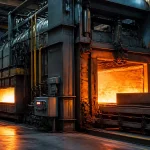
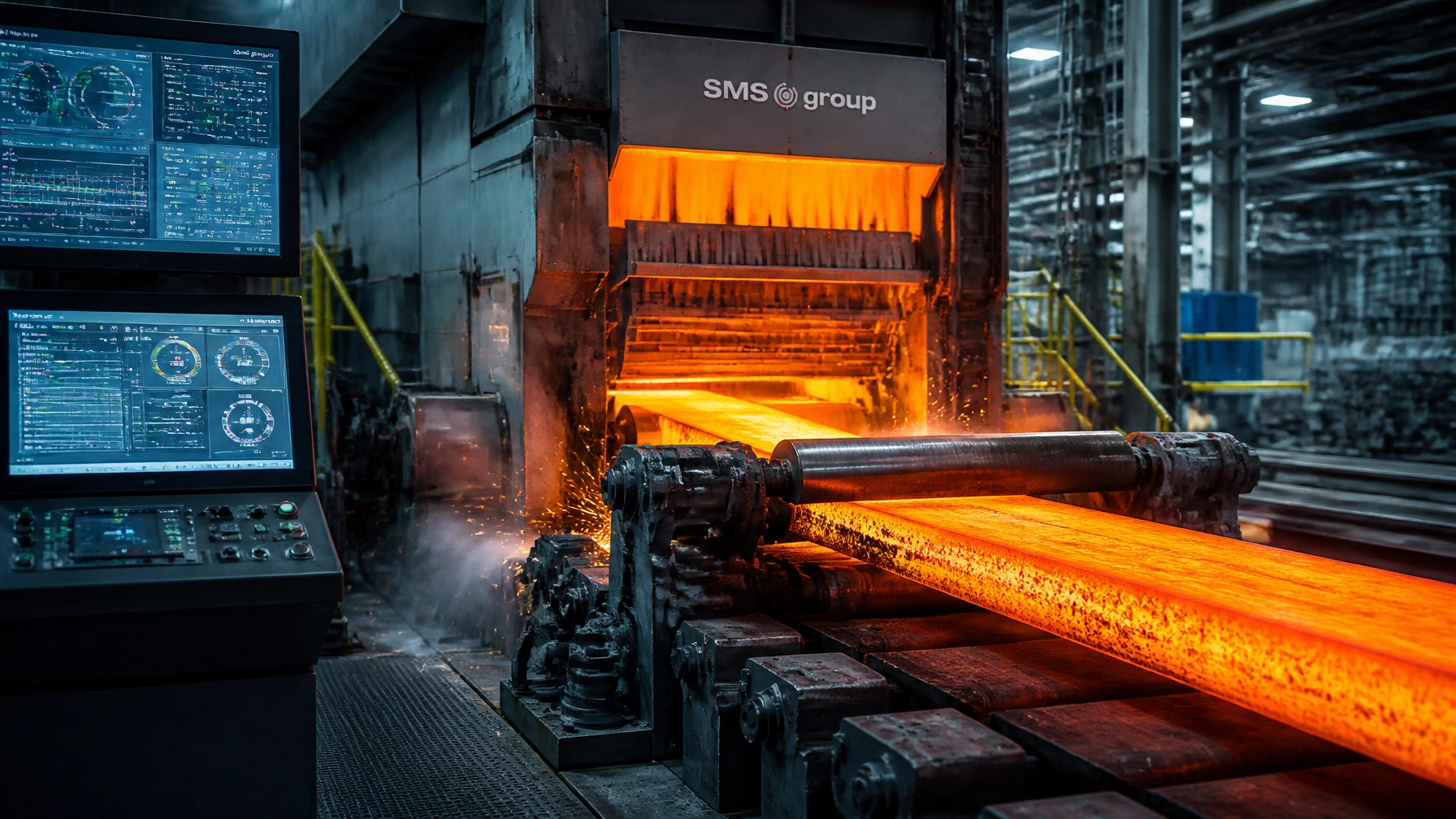
Despite the push for electrification, the modern gas-fired reheat furnace remains the powerhouse of high-tonnage production. However, "traditional" no longer means "inefficient." In 2026, the integration of AI-driven combustion analytics and regenerative burner technology has bridged the gap between legacy reliability and modern sustainability requirements.
Technical Benchmarks for Modern Reheat Furnaces
- Emissions Efficiency: Best Available Technique (BAT) furnaces now achieve an emission profile of 63–76 kg CO₂ per ton of steel.
- Fuel Savings: AI-optimized zone control has demonstrated a 5–15% reduction in specific fuel consumption by predicting slab discharge temperatures within a tolerance of ±8°C.
- Throughput Reliability: For heavy-duty applications like melting furnaces for steel and large-scale rolling, the walking beam design remains unmatched in supporting continuous, high-volume loads.

Advanced systems today utilize recuperative technology to preheat combustion air, effectively recycling exhaust energy. For industries like the hot dip galvanizing plant sector or high-capacity aluminum melting furnace operations, these incremental gains translate into millions of dollars in annual fuel savings.
The Case for Induction Heating: Precision and Decarbonization
Induction heating has transitioned from a niche laboratory tool to a strategic asset for specialized rolling lines. By utilizing electromagnetic fields to generate heat directly within the workpiece, this technology bypasses the convection-related losses inherent in gas-fired systems.
Key Performance Indicators for Induction Systems
- Start-up Time: Near-instantaneous heating cycles, reducing lead times for short-run specialized orders.
- Surface Quality: Minimal oxidation and scale formation due to the rapid heating process, significantly increasing yield and profitability.
- Environmental Compliance: Zero direct stack emissions. In regions where electricity is sourced from renewables, induction is the primary path to CO₂-neutral process heat.

For the wire and cable industry, where precise metallurgical properties and minimal surface defects are non-negotiable, induction systems offer a level of repeatability that combustion-based furnaces struggle to match without extensive monitoring.
Comparative Performance Analysis: 2026 Outlook
To assist in your capital expenditure planning, we have outlined the core differences between an AI-optimized gas reheat furnace and a modern induction heating system based on empirical data and current market trends.
| Criterion | Advanced Gas Reheat Furnace (BAT + AI) | High-Frequency Induction Heating |
|---|---|---|
| Direct CO₂ Emissions | 63–76 kg/ton (Reduced via AI) | Zero (Point of use) |
| Typical ROI Period | 18–24 Months (Upgrade focus) | 3–5 Years (New installation) |
| Thermal Efficiency | ~75% (With heat recovery) | >90% (Direct load heating) |
| Scale Suitability | High-tonnage (Slabs/Blooms) | Low-to-Medium (Billets/Specialty) |
| Maintenance Profile | Burner/Refractory focused | Power Electronics/Coil focused |
| Operational Flexibility | Best for continuous 24/7 loads | Best for rapid starts/stops |
The Operational Reality: Maintenance and Lifecycle Value
Whether you opt for a high-capacity metal recycling furnace or a specialized heat treatment furnace, the longevity of your investment is dictated by your maintenance strategy. In 2026, industrial furnace systems are increasingly modular, allowing for targeted component replacement without extended downtime.
The availability of high-quality furnace spare parts is the single greatest factor in maintaining OEE (Overall Equipment Effectiveness). At Continental Furnaces, we prioritize "Prompt Service" as a core pillar of our consulting and service offerings.

Critical Spare Parts for 2026 Operations:
- Gas-Fired: High-efficiency recuperators, regenerative burners, and AI-compatible sensors.
- Induction: Water-cooled copper coils, high-frequency capacitors, and IGBT power modules.
- Universal: Precision thermocouples, high-density refractory linings, and automated PLC modules.
Maintaining a robust inventory of furnace spare parts is no longer a reactive necessity; it is a proactive strategy to avoid the crippling costs of production stoppages.
Phase-by-Phase Roadmap to Your 2026 Upgrade
Transitioning your plant’s thermal processing capability requires a structured approach. We recommend the following chronological phases:
- Phase 1: Energy Audit & Baseline Assessment: Utilize data-driven analytics to measure your current specific fuel consumption (GCal/t) and emission footprint.
- Phase 2: Product-Mix Alignment: Evaluate if your 2026 order book favors high-volume commodities (Gas-Fired) or high-margin specialty products (Induction).
- Phase 3: Utility Analysis: Contrast regional gas prices against industrial electricity tariffs. If your electricity-to-gas price ratio is below 2:1, induction becomes the financially ideal choice.
- Phase 4: Hybrid Integration: Consider "booster" sections: adding induction coils ahead of a conventional gas furnace to increase throughput and reduce scale.
- Phase 5: Implementation & Digital Twin Setup: Deploy the equipment alongside a digital twin for real-time monitoring and predictive maintenance.

Conclusion: Securing Sustained Competitive Advantage
The choice between a steel rolling mill reheat furnace and an induction heating system is ultimately a choice between two different futures. For those seeking to dominate high-volume production with proven ROI, a modern, AI-enhanced gas-fired system remains the essential standard. For manufacturers aiming for the cutting edge of precision and carbon-neutrality, induction heating represents a quantum leap in technology.
At Continental Furnaces, we do not just manufacture hardware; we engineer sustainability and yield. Our expertise in industrial furnace systems ensures that your 2026 production goals are met with precision-engineered solutions tailored to your unique metallurgy.
Are you ready to optimize your thermal processing operations? Contact our technical consulting team today to schedule a comprehensive facility audit and discover the most profitable path forward for your rolling mill operations.