In the current industrial landscape of 2026, thermal processing is no longer a peripheral utility; it is the cornerstone of metallurgical integrity and operational profitability. For three and a half decades, Continental Furnaces has stood at the intersection of traditional engineering excellence and the digital frontier. As a leading industrial furnace manufacturer, we recognize that navigating the complexities of modern thermal processing equipment requires more than just hardware: it requires a strategic roadmap.
This guide provides a comprehensive analysis of the technologies shaping the future of the steel rolling mill, the wire and cable industry, and global metal recycling operations.
The 2026 Thermal Landscape: Strategic Shifts
The industry is currently undergoing a "quantum leap" in efficiency and regulatory compliance. Stricter global emissions standards: such as the revised Industrial Emissions Directive: demand a 30-40% reduction in nitrogen oxides (NOx) and CO2. For B2B leaders, this necessitates a transition toward high-performance, sustainable industrial furnace systems.
Key trends defining this era include:
- The Electrification Pivot: A decisive move toward induction and electric-resistance technologies to mitigate carbon risk.
- Industry 4.0 Integration: The deployment of physics-based digital twins and AI-driven process control.
- The Circular Economy: Increased reliance on a metal recycling furnace to close the loop on production waste.
A Taxonomy of Excellence: Selecting the Right System
Choosing a furnace is a long-term capital commitment that dictates your facility’s yield for decades. Understanding the granular differences between furnace types is essential for maximizing ROI.
1. Precision Heat Treatment Furnaces
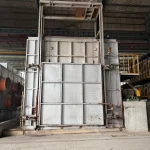
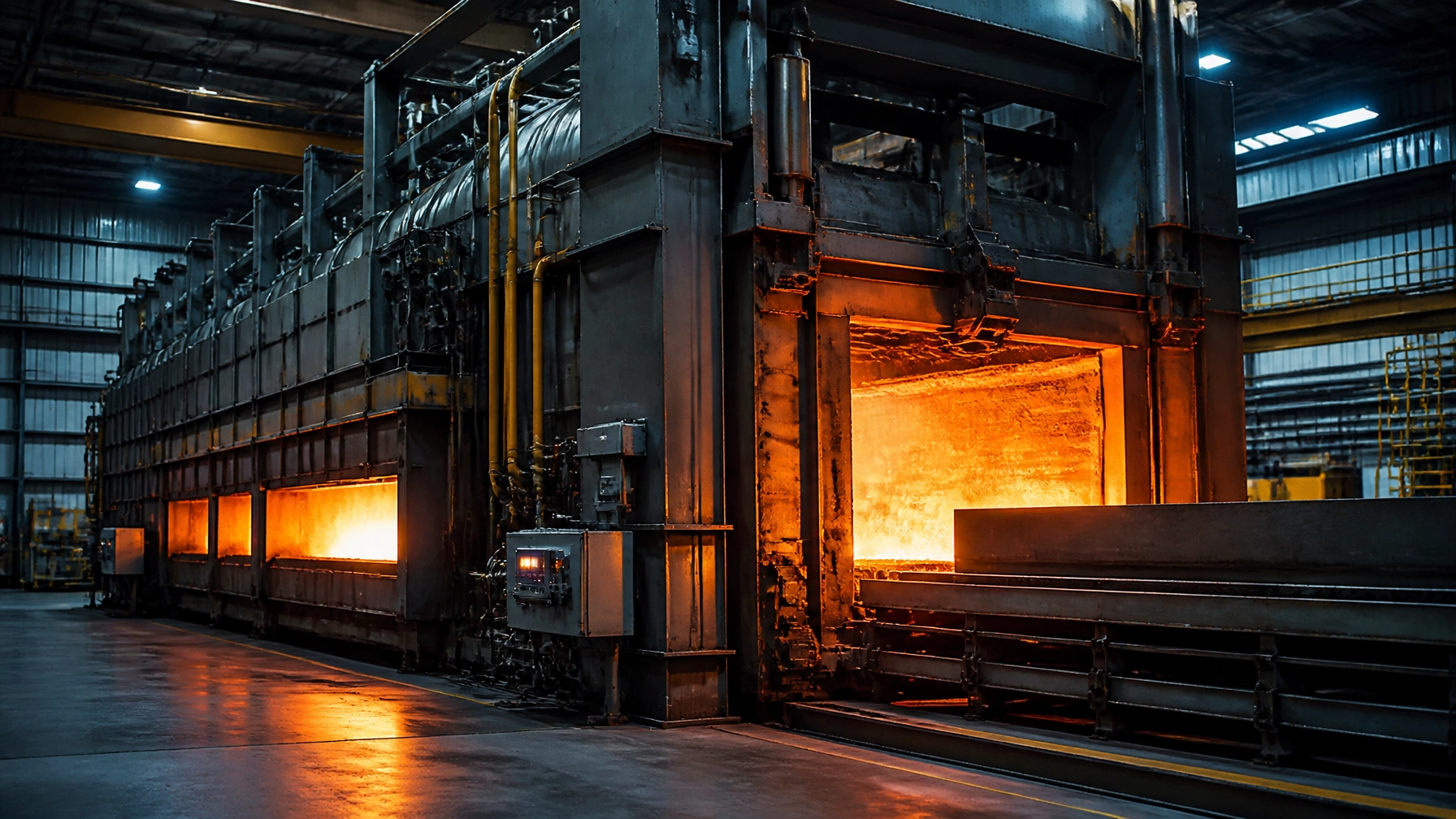
Designed for critical components in the aerospace, automotive, and defense sectors, these furnaces ensure optimal metal performance. Whether you are utilizing a batch furnace for specialized parts or a continuous system for high throughput, temperature uniformity is the primary KPI.

2. Melting and Recycling Solutions
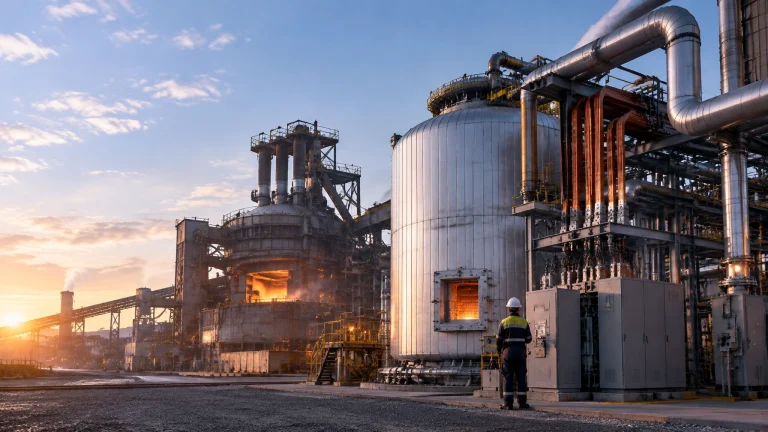
The efficiency of a melting furnace for steel or an aluminum melting furnace is measured by its energy yield and metal loss percentages. Modern designs now integrate pre-heating and melting into a single shaft to maximize thermal efficiency. Our zinc melting furnace solutions specifically target the precision required for high-grade galvanizing.

3. Galvanizing and Pickling Plants
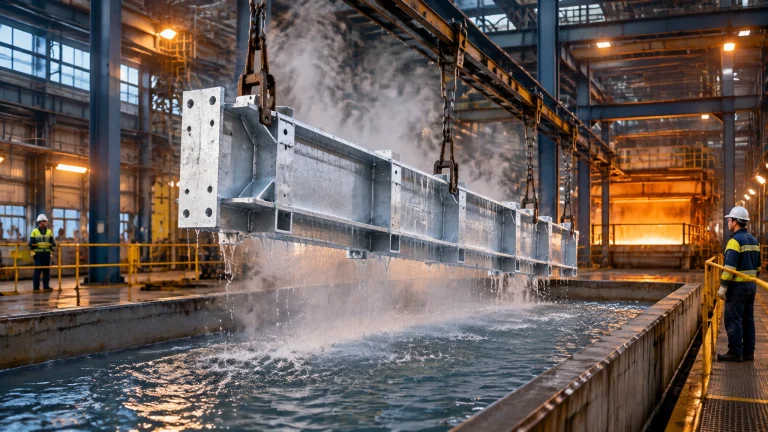
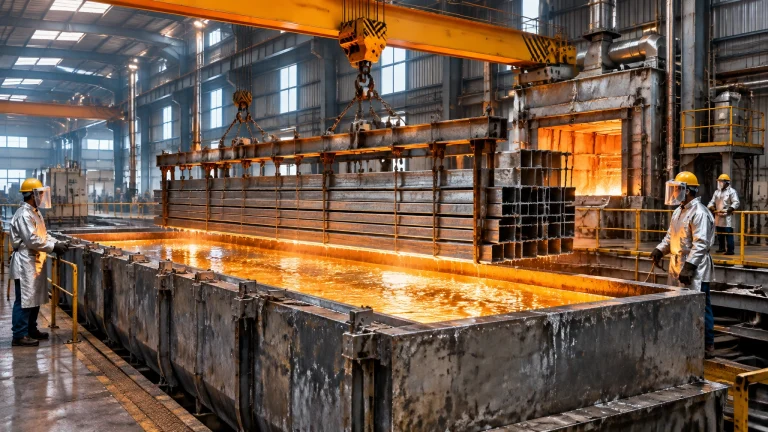
For the wire and cable industry, corrosion protection is non-negotiable. Advanced hot dip galvanizing plants and automated pickling plants provide the chemical and thermal consistency needed for superior coating quality.
Technical Benchmarks: The Data of Efficiency
To establish empirical credibility, one must look at the exact numerical benchmarks that separate legacy equipment from modern engineering. In 2026, an "efficient" furnace is defined by the following metrics:
| Performance Metric | Traditional Gas-Fired | Modern Induction/Hybrid | Benefit of Modernization |
|---|---|---|---|
| Energy Efficiency | 25% – 40% | Up to 85% | Massive reduction in OpEx |
| Heat Loss | High (Poor Insulation) | Low (Advanced Refractory) | 20% Energy Savings |
| Waste Heat Recovery | Minimal | Up to 40% Recovery | Lower Fuel Consumption |
| Temperature Uniformity | ±15°C | ±3°C to ±5°C | Superior Metallurgical Quality |
| Carbon Footprint | High | Near-Zero (Hydrogen/Electric) | Regulatory Compliance |
The Impact of Modern Insulation and Burners
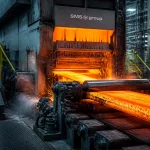
Upgrading to recuperative burners can improve fuel efficiency by 25–50%, while regenerative burners can push efficiency above 70% in high-temperature processes. In a steel rolling mill environment, these savings translate directly into a competitive pricing advantage for the final product.

The Smart Furnace: Industry 4.0 and Control
The "Smart Furnace" is no longer a concept: it is an operational requirement. By integrating AI algorithms that dynamically optimize parameters, facilities can cut energy consumption by an additional 10–15%.
Centralized control decks allow for:
- Predictive Maintenance: Identifying potential failures before they result in downtime.
- Recipe Management: Ensuring that every batch meets the exact metallurgical specifications through automated, repeatable cycles.
- Real-time Monitoring: Tracking gas flow, temperature gradients, and atmosphere potential (N2, Endogas, Plasma) from any device.

Strategic Roadmap: From Assessment to Commissioning
At Continental Furnaces, we view our clients as enduring partners. Implementing a new thermal solution should follow a rigorous, chronological phase-gate process:
Phase 1: Audit and Technical Assessment
We begin with a comprehensive energy audit of your existing infrastructure. This involves mapping heat losses and identifying bottlenecks in your current wire rod mill equipment.
Phase 2: Customized Engineering
No two facilities are identical. Our engineers design bespoke solutions that balance temperature ranges (up to 1300°C) with space-constrained production environments.
Phase 3: Integration and Commissioning
The final phase involves the seamless integration of the furnace into your existing production line, followed by ISO-certified quality testing and workforce training.
The Importance of Lifecycle Value: Spare Parts
A furnace is only as reliable as its weakest component. To keep downtime minimal, a strategic inventory of furnace spare parts is essential. From heating elements and thermocouples to advanced refractory bricks, ensuring access to high-quality accessories is critical for maintaining sustained competitive advantage. Our prompt service ensures that your operations remain resilient against the wear and tear of high-capacity thermal processing.
Conclusion: Partnering for a Sustainable Future
The ultimate guide to succeeding with heat treatment furnaces lies in the balance of technical wisdom and forward-thinking sustainability. By prioritizing energy efficiency, embracing Industry 4.0, and choosing a partner with 35+ years of expertise, your facility can transition from a traditional manufacturing plant to a high-performance, environmentally responsible operation.
Ready to optimize your thermal processing operations? Contact the experts at Continental Furnaces today for a strategic consultation. Let us engineer your path to efficiency and profitability.