As we navigate the complexities of the 2026 industrial environment, the thermal processing sector is undergoing a profound transformation. The convergence of decarbonization mandates, AI-driven digitalization, and the circular economy has moved the furnace from a piece of legacy hardware to a strategic, data-rich asset. For B2B decision-makers in the steel, automotive, and metal recycling sectors, "business as usual" is no longer a viable strategy.
At Continental Furnaces, with over 35 years of engineering excellence, we have observed that the most successful facilities are those transitioning toward "Smart Heat." This guide serves as a strategic roadmap for modernizing your thermal infrastructure to achieve sustained competitive advantage.
Phase 1: The Efficiency Imperative – Electrification and Decarbonization
The primary driver of the post-2026 landscape is the aggressive shift toward carbon neutrality. Industrial heat accounts for a significant portion of manufacturing emissions, and the "Green Steel" movement is no longer a distant goal: it is a regulatory and economic requirement.
The Rise of Direct Electrification
Modern industrial furnace systems are increasingly moving toward direct electrification. By utilizing high-temperature heat pumps, induction, and plasma technologies, manufacturers are achieving thermal efficiency gains of up to 25% compared to traditional fossil-fuel-fired systems.
Key advancements in 2026 include:
- Hydrogen-Ready Designs: Hybrid systems that can seamlessly transition between natural gas and green hydrogen as the latter becomes more commercially viable.
- Thermal Process Intensification (TPI): Redesigning process routes to eliminate unnecessary reheating phases. For instance, skipping ingot reheating via thin strip casting can reduce energy consumption by 15-20%.
- Advanced Insulation: Utilizing high-density ceramic fiber and specialized refractory linings to minimize skin temperatures and maximize internal heat retention.

Phase 2: Precision Engineering in the Steel Rolling Mill and Wire Industry
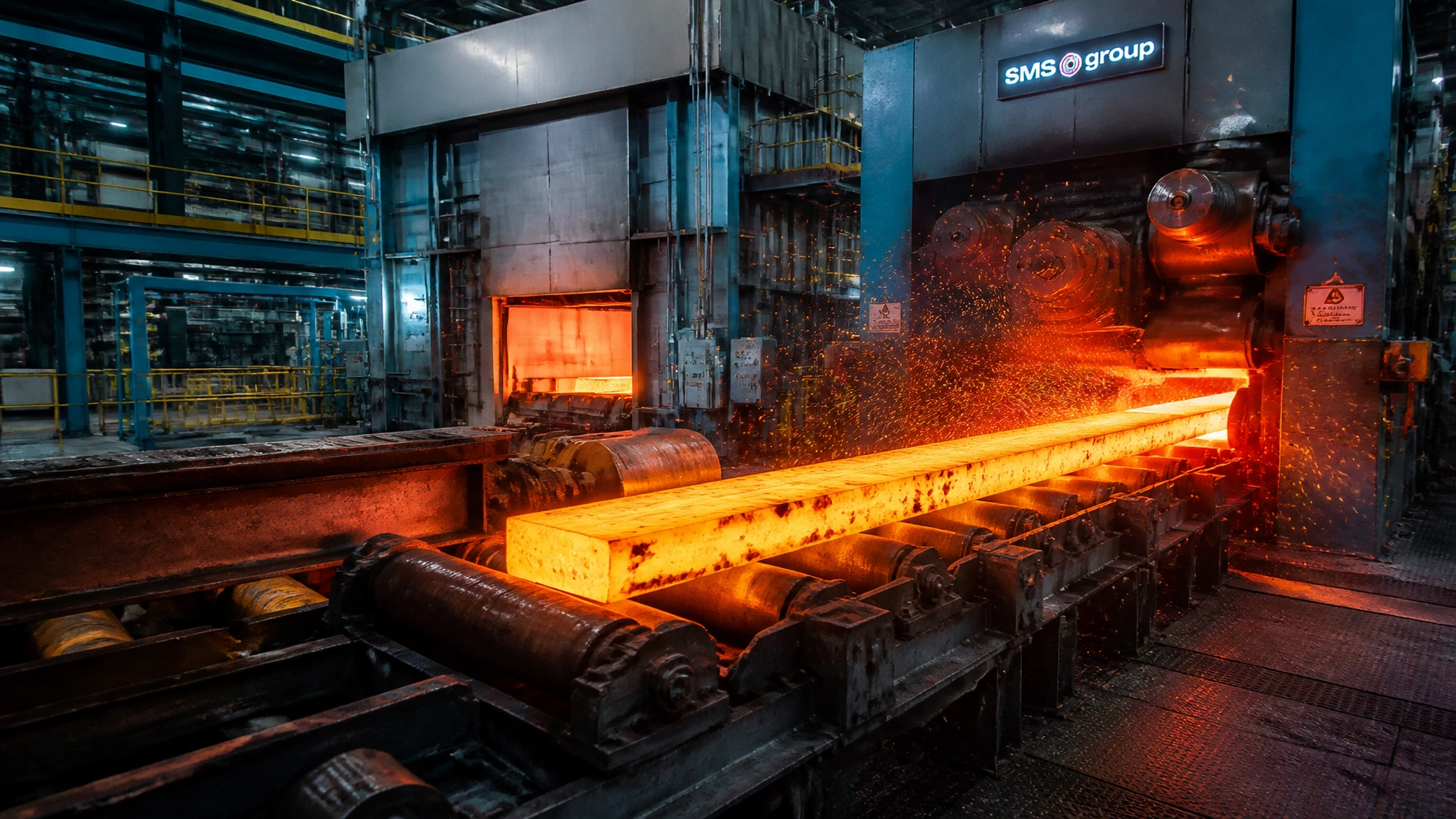
In the high-stakes environment of a steel rolling mill, precision is the difference between premium yield and expensive scrap. The 2026 standard for rolling mills involves the integration of thermal processing equipment directly into the digital twin of the facility.
Steel Manufacturing Advancements
The modern melting furnace for steel is now equipped with spectral analysis sensors that provide real-time feedback on melt chemistry. This allows for immediate adjustments, ensuring that the metallurgical properties of the steel meet the exacting standards of the wire and cable industry and the automotive sector.
For those operating in specialized niches, the deployment of a high-performance aluminum melting furnace has become essential for the lightweighting trends seen in electric vehicle (EV) production. Continental Furnaces' customized solutions for steel rolling mills focus on:
- Uniform Heating Profiles: Ensuring zero temperature variance across large billets or coils.
- Automated Feed Systems: Reducing manual intervention and improving cycle times by 12%.
- Atmosphere Control: Utilizing protective nitrogen or hydrogen atmospheres to achieve bright, oxide-free finishes.
Phase 3: The Circular Economy – Recycling and Galvanizing
Sustainability is the new profitability. The 2026 industrial landscape prioritizes the "Circular Economy," where waste is viewed as a feedstock.
Metal Recycling Renaissance
The demand for the metal recycling furnace has surged as manufacturers strive to increase their recycled content ratios. Modern recycling plants are now achieving 10-15% higher scrap yields through the use of advanced sorting and deep-cleaning thermal lines. Whether it is ferrous scrap or specialized non-ferrous recovery, the goal is a "Zero Waste" facility.
Hot Dip Galvanizing Plant Innovations
Corrosion protection remains a cornerstone of the construction and infrastructure sectors. The modern hot dip galvanizing plant has been reinvented with:
- Energy-Efficient Kettle Heating: Pulse-fired burners and advanced waste-heat recovery systems that capture and repurpose up to 30% of exhaust heat.
- Automated Bath Management: IoT sensors that monitor zinc levels and bath temperature to minimize dross formation and improve coating consistency.
- Integrated Pickling Plants: Streamlined surface treatment lines that improve metal quality before the coating process begins.

Strategic Asset Management: Predictive Maintenance and Spares
The cost of unplanned downtime in a 24/7 thermal processing facility can exceed tens of thousands of dollars per hour. As a leading industrial furnace manufacturer, we emphasize a shift from "Break-Fix" to "Predictive Strategy."
The Furnace Spare Parts Strategy
Maintaining a robust inventory of furnace spare parts is critical, but the 2026 approach is data-driven. By utilizing IoT-enabled sensors, operators can now predict the failure of heating elements, burners, or refractory linings days: or even weeks: before they occur.
Data-Driven Comparison: Maintenance Methodologies
| Metric | Traditional Reactive Maintenance | Modern Predictive Maintenance (2026) |
|---|---|---|
| Operational Downtime | High (Unplanned outages) | Minimal (Scheduled windows) |
| Spare Parts Inventory | Large, unoptimized stock | Lean, JIT (Just-In-Time) based on data |
| Asset Lifecycle | 10–15 Years | 18–22 Years |
| Fuel/Energy Waste | 5–10% due to degraded parts | <1% due to optimal part condition |
| Maintenance Costs | Highly volatile | Stable and predictable |
Investment in high-quality heat treatment furnaces must be paired with a rigorous maintenance roadmap to ensure that the equipment performs at its peak efficiency throughout its multi-decade lifecycle.

Conclusion: Securing Your Competitive Edge
The path to industrial leadership in the post-2026 landscape is clear: it requires a fusion of deep metallurgical expertise and cutting-edge digital integration. At Continental Furnaces, we do not merely supply equipment; we forge enduring partnerships. Our mission is to provide the high-performance, sustainable thermal solutions that empower your facility to exceed its production goals while adhering to the highest global standards.
Whether you are looking to upgrade your hot dip galvanizing plant, optimize a steel rolling mill, or implement a high-efficiency aluminum melting furnace, our engineering team is ready to consult on your next quantum leap in productivity.
Don’t let your thermal processing become a bottleneck. Move toward a smarter, more efficient future today.
Consult with our Engineering Experts at confur.net/contact