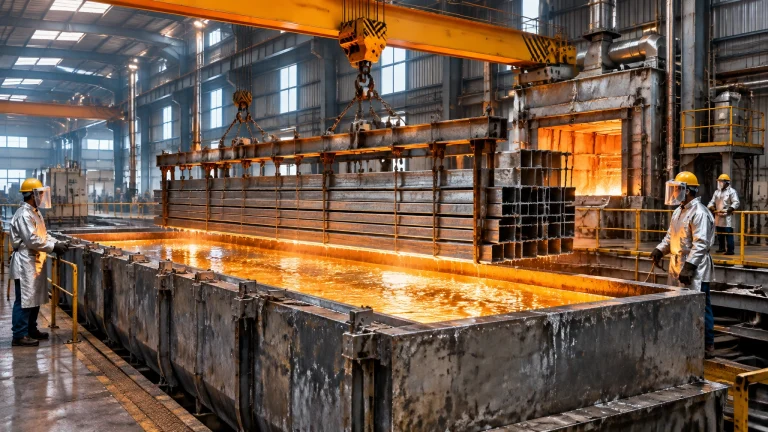
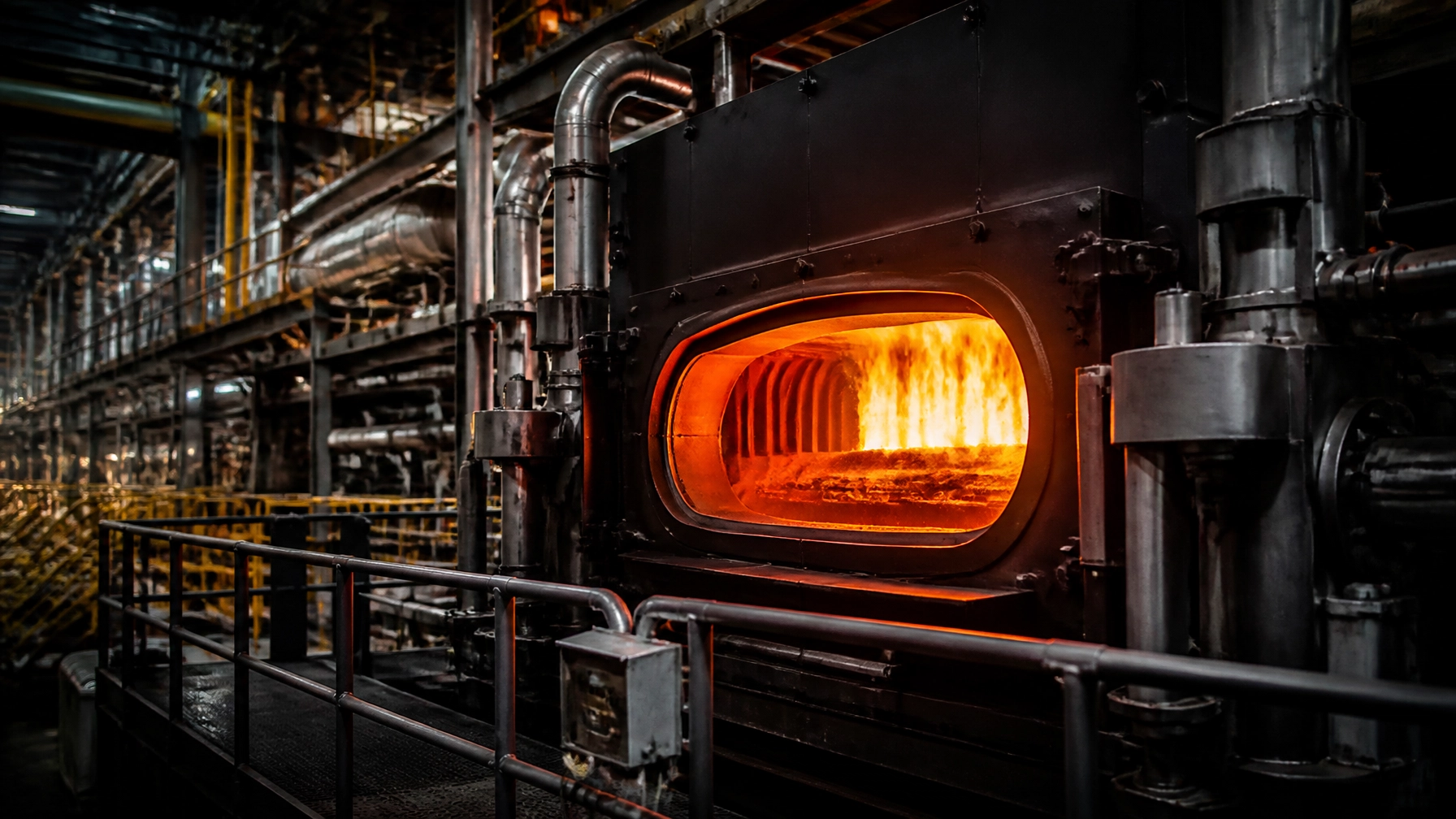
As a premier industrial furnace manufacturer with over 35 years of specialized tenure, Continental Furnaces continues to serve as a strategic consultant to global manufacturing leaders. In this Afternoon Edition, we move beyond basic operational overviews to examine the granular technical shifts and advanced maintenance philosophies defining the thermal processing landscape as we move through 2026.
For plant managers and operations directors, the objective is no longer merely "uptime," but rather a state of sustained competitive advantage through high-yield, energy-efficient, and data-driven production environments.
1. Advanced Maintenance Strategies for Thermal Processing Equipment
The traditional approach of reactive or even basic preventive maintenance is rapidly being superseded by Predictive and Condition-Based Maintenance (CBM) protocols. In 2026, the integration of AI-driven analytics into industrial furnace systems allows for the identification of structural and mechanical deviations before they manifest as critical failures.
The Shift to Predictive Intelligence
By utilizing dense sensor arrays, operators can now monitor real-time variables that were previously opaque. Our current implementation focuses on:
- Acoustic Emission Monitoring: Detecting micro-cracks in refractory linings and heat exchangers weeks before a breach occurs.
- Thermal Imaging Integration: Automated infrared monitoring to identify "hot spots" that indicate insulation degradation, allowing for targeted patch repairs rather than costly full relines.
- Digital Twin Synchronization: Utilizing virtual replicas to simulate the impact of varying alloy recipes on furnace longevity, optimizing the thermal processing equipment for maximum lifecycle value.
Key Performance Indicator (KPI) Impact: Implementing these advanced maintenance strategies typically results in a 45% reduction in unplanned downtime and a 22% increase in refractory lifespan, directly enhancing the bottom line.

2. 2026 Technology Updates: The Era of Electrification and Hybridization
The industrial sector is witnessing a quantum leap in heating technology. As regulatory pressures for decarbonization intensify, Continental Furnaces has pivoted toward modular, high-efficiency solutions that bridge the gap between traditional combustion and future-ready green energy.
Electrification and Hydrogen-Ready Designs
In 2026, nearly 50% of new furnace installations are trending toward full electrification. Our latest heat treatment furnaces utilize advanced induction and resistance heating elements that offer thermal precision down to sub-2°C tolerances. Furthermore, our current R&D focuses on:
- Hybrid Gas-Electric Burners: Allowing facilities to switch between fuel sources based on real-time energy pricing and grid demand.
- Hydrogen-Ready Melting Furnaces: Engineered to handle the unique combustion properties of green hydrogen, preparing your facility for the "Green Steel" transition.
- Ultra-Lightweight Ceramic Fibers: Reducing thermal mass and enabling 20% faster heat-up cycles, significantly improving throughput for high-volume operations.
3. Industry-Specific Insights: Rolling Mills, Galvanizing, and Beyond
Thermal processing is not a "one-size-fits-all" discipline. Each sector requires a nuanced engineering approach to ensure metallurgical integrity and cost-efficiency.
The Modern Steel Rolling Mill
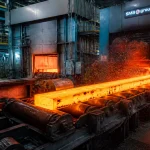
The integration of a steel rolling mill with high-efficiency reheat furnaces is essential for producing high-grade structural and automotive steels. Our continuous-type melting furnace for steel is now equipped with automatic feed rollers that ensure consistent heating, reducing scale loss and improving surface quality.
Explore our Ultimate Guide to Modern Steel Rolling Mills for deeper technical specifications.
Wire and Cable Industry Precision
The Wire and cable industry demands extreme uniformity during the annealing process. Our pit-type annealing furnaces utilize sophisticated atmosphere control to prevent oxidation, ensuring that copper and aluminum strands maintain peak conductivity and ductility.
Circular Economy: Metal Recycling & Aluminum
The metal recycling furnace has become a cornerstone of sustainable manufacturing. Our aluminum melting furnace designs now incorporate advanced filtration and dross-reduction technologies, enabling the processing of secondary materials with yields exceeding 98%.

4. Spare Parts Management and Reliability
A furnace is only as reliable as its most minor component. Strategic furnace spare parts management is a critical pillar of our "Enduring Partnership" model. We advise clients to move toward a Just-In-Case (JIC) inventory strategy for critical path components to mitigate global supply chain fluctuations.
Critical Spare Parts Categorization
| Component Type | Lifecycle Role | Recommended Inventory Level |
|---|---|---|
| Combustion Elements | Burner nozzles, igniters, and flame sensors. | 100% on-site redundancy for active burners. |
| Atmosphere Sensors | Oxygen probes and dew point transmitters. | Minimum 2-unit buffer per furnace line. |
| Refractory Spares | High-temp gaskets and modular insulation blocks. | Sufficient for 24-hour emergency patch repairs. |
| Control Logic | PLC modules and HMI interfaces. | Pre-programmed backup units for immediate swap. |

By maintaining a robust stock of genuine components, facilities can reduce the "Mean Time to Repair" (MTTR) by up to 70%, ensuring that a minor mechanical failure does not cascade into a week-long production halt.
5. Technology Benchmarks: Legacy vs. 2026 Standard
To visualize the objective advantages of modernizing your facility, consider the following comparative metrics between traditional systems and Continental Furnaces' 2026 industrial furnace systems.
| Feature | Legacy Systems (Pre-2020) | Continental Furnaces 2026 Standard |
|---|---|---|
| Energy Efficiency | 60% – 70% | 85% – 95% (with heat recovery) |
| Temperature Tolerance | +/- 10°C | +/- 2°C |
| Maintenance Model | Time-based (Calendar) | Predictive (AI-Driven) |
| Fuel Source | Fossil Fuel Only | Electric / Hybrid / Hydrogen-Ready |
| Data Integration | Local Analog Gauges | Cloud-Based Digital Twin |
| ROI Period | 5 – 7 Years | 3 – 4 Years (Energy Savings Driven) |
Strategic Roadmap: Achieving Sustained Performance
Transitioning your plant to Industry 4.0 standards is a phased journey. As your thermal processing partner, we recommend the following professional roadmap:
- Phase 1: Thermal Audit & Assessment: Analyze current fuel consumption, heat loss, and metallurgical consistency.
- Phase 2: Sensor Retrofitting: Implement IoT-enabled monitoring on existing assets to begin data collection for predictive modeling.
- Phase 3: Targeted Upgrades: Modernize combustion systems with low-NOx burners or transition high-precision lines to full electrification.
- Phase 4: Continuous Optimization: Utilize our technical insights and prompt service teams to fine-tune operations for maximum yield.

Conclusion: Partner with the Authority in Thermal Solutions
The industrial landscape of 2026 demands more than just hardware; it requires a deep integration of engineering expertise, digital intelligence, and sustainable practice. Continental Furnaces remains committed to delivering customized solutions that empower your facility to lead rather than follow.
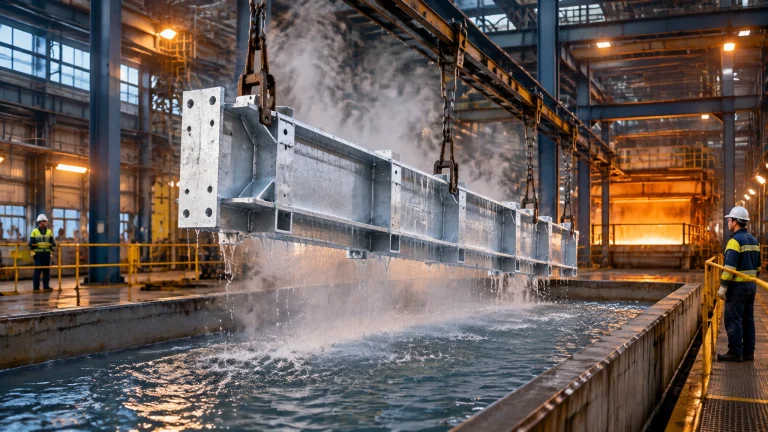
Whether you are looking to install a new hot dip galvanizing plant, optimize a melting furnace for steel, or secure a reliable supply of furnace spare parts, our team of experts is ready to assist.
Strategic Action: Contact our engineering department today for a comprehensive facility audit. Let us transform your thermal processing operations into a high-performance engine of growth.