In the rapidly evolving landscape of 2026, the global manufacturing sector stands at a crossroads between traditional production methods and the "Quantum Leap" provided by Industry 4.0. As a seasoned industrial furnace manufacturer with over 35 years of tenure, Continental Furnaces has transitioned from a mere equipment supplier to a strategic consultant for the world's most demanding thermal processing operations.
This afternoon edition of our Industrial Insights focuses on the technical shifts defining the current fiscal year: the integration of hydrogen co-firing, the mandate of the GB/T 47079-2026 standard, and the deployment of digital twins for high-yield metallurgy. Whether your facility operates a complex steel rolling mill or a precision-dependent hot dip galvanizing plant, understanding these shifts is essential for maintaining a sustained competitive advantage.
Phase 1: The Green Transition – Hydrogen Co-firing and Electrification
The push toward sustainability is no longer an optional corporate social responsibility initiative; it is a regulatory requirement and a profitability driver. In 2026, we are seeing a significant migration toward hybrid combustion systems.
Hydrogen Co-firing in Melting Operations
For a modern melting furnace for steel or an aluminum melting furnace, the transition to hydrogen (H2) co-firing offers a path to drastic carbon reduction. Our latest rotary melting furnaces are now engineered to handle up to a 30% H2 blend without requiring extensive burner replacement. However, higher fractions demand a reimagining of burner aerodynamics to manage the increased flame speed and higher adiabatic flame temperatures.
- Key Benefit: Potential reduction of CO2 emissions by up to 25% in the first phase of implementation.
- Technical Challenge: Managing thermal NOx formation through staged combustion and Flue-Gas Recirculation (FGR).
The Rise of Electrification
While combustion remains king for high-tonnage melting, heat treatment furnaces are increasingly moving toward full electrification. This shift provides unparalleled temperature uniformity, crucial for the Wire and cable industry where consistent grain structure in copper and aluminum drawing is non-negotiable.
Phase 2: Digital Intelligence and the Digital Twin Framework
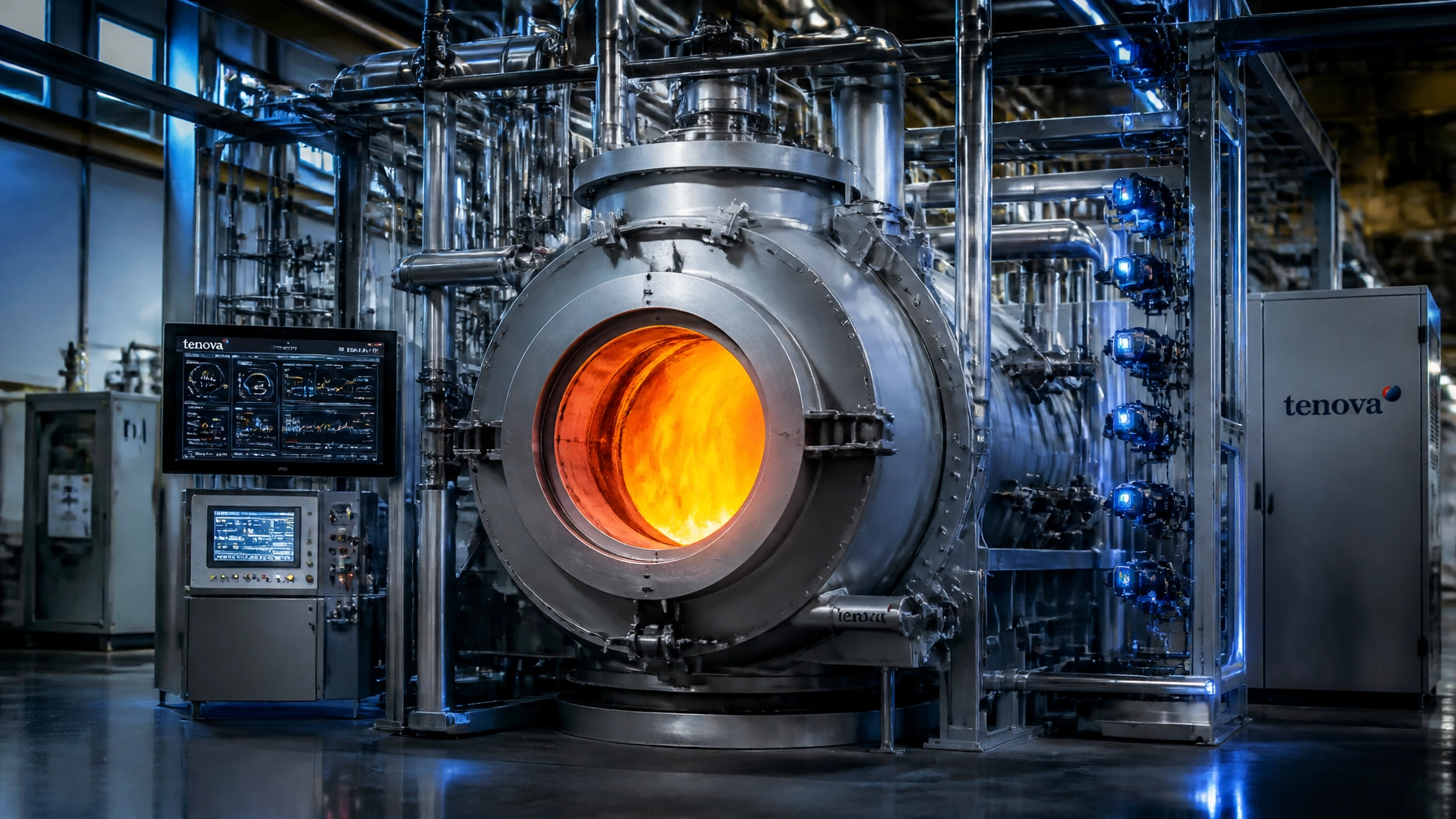
The integration of IIoT sensors into industrial furnace systems has moved from the periphery to the core of thermal processing. By creating a Digital Twin: a dynamic computational representation of your furnace's physical state: operators can predict metallurgical outcomes with 99.2% accuracy before the first billet enters the chamber.

Implementing GB/T 47079-2026 Standards
A critical update for 2026 is the implementation of the GB/T 47079-2026 standard. While specifically focused on the induction heat treatment of rolls, the principles are being adopted as best practices across all thermal processing equipment. This standard mandates rigorous technical specifications for process parameters and hardened layer quality.
Our 2026 Digital Roadmap includes:
- Predictive Maintenance: Utilizing vibrational and thermal data to identify furnace spare parts failure weeks before a breakdown occurs.
- CFD Modeling: Using Computational Fluid Dynamics to optimize gas flow and minimize cold spots in large-scale metal recycling furnace operations.
- Real-time Compliance: Automated reporting that aligns with ISO-certified quality benchmarks and local emission standards.
Phase 3: The Maintenance Roadmap – Refractory and Reliability
Operational downtime is the silent killer of industrial profitability. Continental Furnaces emphasizes a proactive lifecycle approach, particularly regarding refractory maintenance.
Refractory Best Practices for 2026
High-H2 firing environments create a high-steam atmosphere that can accelerate the hydrothermal degradation of traditional silicate refractories. We recommend a shift toward high-purity alumina linings in high-velocity zones.
- Infrared Thermography: Quarterly scans of the furnace shell to identify "hot spots" indicating insulation breach.
- Controlled Ramp-up: Strict adherence to dry-out curves after any repair to prevent explosive spalling.
- Proactive Part Replacement: Keeping a critical inventory of furnace spare parts, such as high-efficiency burners and ceramic fiber modules, is vital for the Wire and cable industry plant setup.
Technology Comparison: 2020 vs. 2026 Systems
| Feature | Traditional Systems (Pre-2020) | Advanced Systems (2026+) |
|---|---|---|
| Control Logic | Reactive (Manual adjustments) | Predictive (Digital Twin/AI) |
| Fuel Source | 100% Natural Gas / Oil | Hydrogen-Ready / Electric Hybrid |
| Maintenance | Scheduled (Calendar-based) | Condition-Based (IIoT Sensors) |
| Efficiency | 65% – 75% | 85% – 92% |
| ROI Period | 5 – 7 Years | 3 – 4 Years (Energy savings & yield) |
Strategic Guidance for Your Rolling Mill Operations
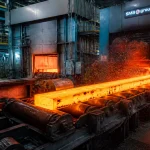
For those managing a steel rolling mill, the focus must remain on the reheating phase. Our billet reheating furnaces are now equipped with regenerative burners that recapture waste heat, reducing fuel consumption by up to 35%. This is a "quantum leap" in efficiency that directly impacts the bottom line of large-scale production plants.

Furthermore, we are seeing increased demand for integrated furnace conversion services for older facilities looking to modernize without the capital expenditure of a full plant replacement. This includes upgrading to automated feed rollers and high-efficiency combustion systems that meet the latest environmental certifications.
The Circular Economy: Metal Recycling Innovations
Sustainability and profitability converge in the metal recycling furnace sector. The 2026 landscape demands higher yield from lower-grade scrap. Our rotary melting furnaces utilize advanced oxygen-fuel burners to accelerate the melting process while minimizing oxidation loss.
- Aluminum Melting: Our latest aluminum melting furnace designs achieve a metal loss rate of less than 1.5%: the industry gold standard.
- Hot Dip Galvanizing: Our modern galvanizing plants now feature lead-free technology and high-velocity burners that ensure a uniform zinc coating, reducing raw material waste significantly.
Conclusion: An Enduring Partnership for Thermal Excellence
The industrial sector in 2026 does not reward the stagnant. Success requires a blend of heavy industrial terminology and business-centric strategic planning. At Continental Furnaces, we don't just build industrial furnace systems; we engineer long-term profitability and operational resilience.
The road to a "Zero-Downtime" facility begins with a comprehensive audit of your current thermal assets. Whether you need a bespoke heat treatment furnace or are looking to optimize your steel rolling mill output, our team of experts is ready to assist.
Strategic Directive
Consult with Continental Furnaces today. Let us transform your thermal processing from a cost center into a sustained competitive advantage.
Explore our Consulting Services | Review our Certifications