As we navigate the complexities of 2026, the industrial landscape is undergoing a fundamental metamorphosis. For three and a half decades, Continental Furnaces has stood at the vanguard of this evolution, serving as a strategic partner to global manufacturing giants. Today’s morning briefing focuses on the dual imperatives of the modern era: radical energy efficiency and the systemic shift toward sustainable steel production.
The transition is no longer a theoretical roadmap; it is an operational reality. With global steelmaking capacity reaching approximately 2,216 Mt per year, the industry is pivoting away from legacy coal-dependent routes toward flexible, high-efficiency technologies that define Industry 4.0.
The Technological Pivot: EAF and Hydrogen-DRI Dominance
In 2026, the traditional blast furnace is being challenged by the Electric Arc Furnace (EAF). Currently, EAFs represent 34% of global operating capacity, but more tellingly, they account for over 71% of projects under construction. This shift is driven by the need for agility and decarbonization.
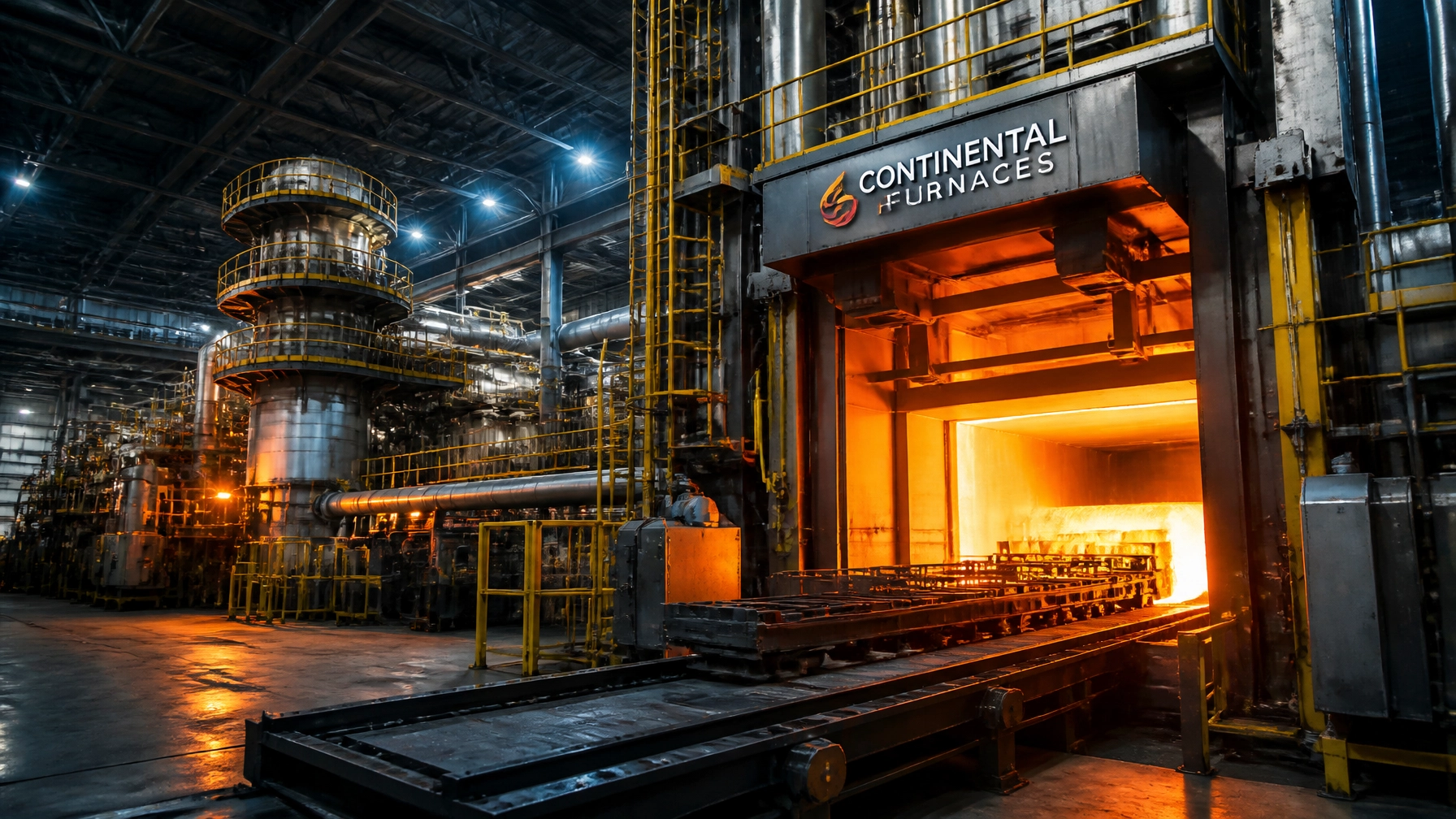
Modern melting furnace for steel installations, particularly ultra-high-power (UHP) variants, are setting new empirical benchmarks. Best-in-class EAF units now achieve electrical energy consumption below 350 kWh per tonne, a quantum leap from the ~450 kWh/t seen in older generations. When paired with hydrogen-based Direct Reduced Iron (DRI), these systems offer a pathway to 80-90% CO2 reductions compared to traditional methods.

At Continental Furnaces, our advanced melting furnaces and recycling projects are engineered to integrate seamlessly into these low-carbon routes. Whether you are operating a steel rolling mill or a non-ferrous facility, the transition to EAF-based production is essential for maintaining a competitive edge in a carbon-taxed global economy.
Energy Efficiency: Beyond the Low-Hanging Fruit
Energy efficiency is the primary lever for profitability in 2026. The objective is no longer merely "saving fuel" but achieving comprehensive thermal optimization.
Critical Benchmarks for 2026
- Waste Heat Recovery: Advanced industrial furnace systems now recover up to 30% of available off-gas energy through top-gas preheating and recuperative burners.
- Thermal Accuracy: Modern heat treatment furnaces maintain temperature uniformity within ±3°C to ±5°C across high-capacity loads, reducing rework by as much as 15%.
- Recuperator Efficiency: High-performance recuperators can preheat combustion air to over 500°C, directly yielding a 20-25% reduction in specific fuel consumption.

Our proprietary thermal processing equipment utilizes AI-driven control systems to refine furnace set-points in real-time. By leveraging digital twins, operators can predict thermal behavior, ensuring that every gigajoule of energy is utilized with surgical precision.
The Circular Economy and Metal Recycling
The rise of the circular economy has positioned the metal recycling furnace as a centerpiece of the modern production floor. Utilizing scrap-based routes is not just an environmental mandate; it is a cost-management strategy.
- Yield Improvement: Advanced recycling technology reduces dross and oxidation losses to below 1.5% in aluminum melting furnace operations.
- Emission Control: Scrap-based EAF routes deliver ~0.7 t CO2/t, significantly lower than the ~2.3 t CO2/t associated with the BF-BOF route.
Continental Furnaces continues to champion these sustainable practices, as showcased at the recent International Material Recycling Conference. Our solutions facilitate the processing of diverse scrap grades into high-quality intermediates for the automotive, aerospace, and construction industries.
Strategic Maintenance: Managing Furnace Spare Parts
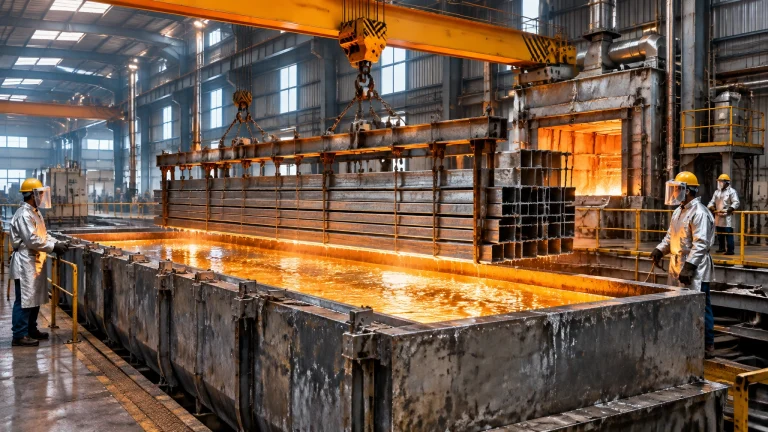
Operational uptime is the ultimate KPI. Unplanned downtime in a hot dip galvanizing plant or a high-speed steel rolling mill can cost upwards of USD 10,000 per hour. A robust lifecycle management strategy is non-negotiable.
The Maintenance Roadmap
- Phase 1: Critical Inventory Audit: Identify high-wear furnace spare parts such as ceramic rollers, radiant tubes, and specialized burners.
- Phase 2: Predictive Analytics: Deploy sensors to monitor heating element resistance and refractory degradation.
- Phase 3: Just-in-Time Replacement: Utilize Continental’s rapid-response logistics to replace components before failure occurs, ensuring zero-interruption cycles.

By maintaining an optimized inventory of genuine spares, facilities can achieve an asset availability rate of >98%.
Cross-Industry Relevance: A Unified Thermal Strategy
While the steel sector remains a primary focus, the innovations in industrial furnace systems propagate across all thermal processing sectors:
| Industry Segment | Application | Key Benefit |
|---|---|---|
| Wire and Cable Industry | Continuous Annealing | Enhanced ductility and surface finish for high-conductivity copper and aluminum. |
| Rolling Mills | Reheating & Normalizing | Uniform grain structure for premium flat-rolled and automotive grades. |
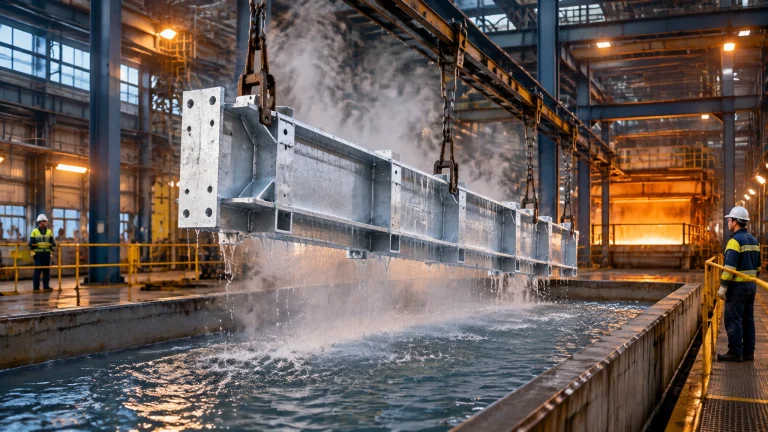
| Galvanizing Plants | Zinc Melting & Coating | ISO-certified corrosion protection with minimal zinc consumption. |
| Aluminum Melting | Cast House Operations | High-throughput melting with advanced dross management. |
Our commitment to quality is validated by our ISO certification, ensuring that every Continental solution meets stringent international standards for safety and reliability.
Strategic Partnership for Sustained Advantage
The manufacturing challenges of 2026 require more than just equipment; they require a partnership rooted in technical wisdom and 35+ years of industrial tenure. As a leading industrial furnace manufacturer, Continental Furnaces provides the engineering depth to transform your thermal operations into a source of competitive advantage.
From the precision required in the wire and cable industry to the massive scale of hot dip galvanizing plants, our solutions are designed for the future of manufacturing: efficient, digital, and sustainable.
Consult with our experts today to modernize your thermal processing infrastructure and secure your place in the future of industrial manufacturing.