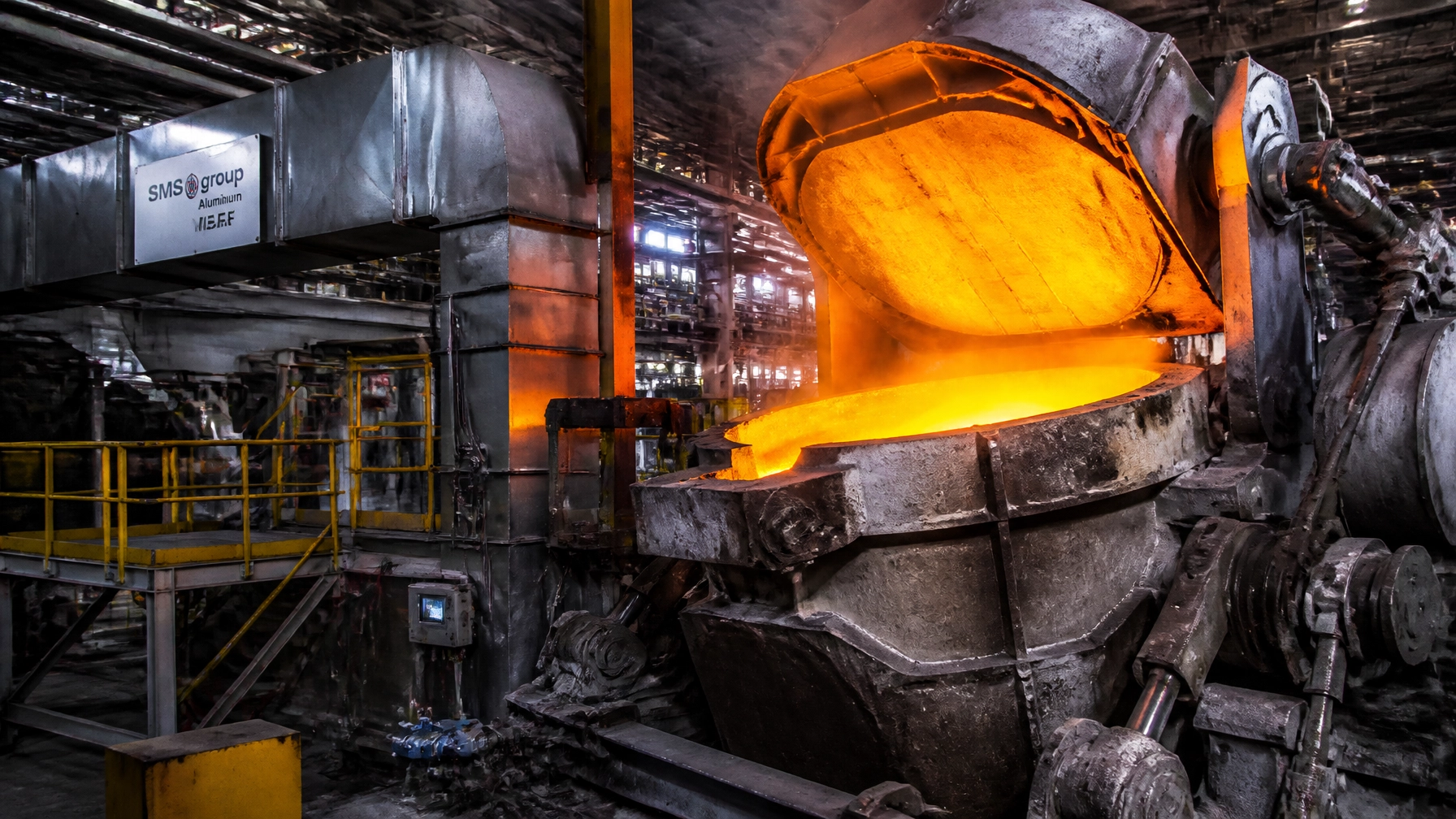
As we navigate the complexities of the 2026 industrial landscape, the aluminum recycling sector finds itself at a critical technological crossroads. With the global drive toward "The Circular Economy" and increasingly stringent carbon mandates, the choice between a traditional gas-fired aluminum melting furnace and a modern induction furnace is no longer just a matter of preference: it is a strategic decision that impacts long-term profitability, yield, and regulatory compliance.
At Continental Furnaces, with over 35 years of tenure as a leading industrial furnace manufacturer, we have observed a quantum leap in how thermal processing equipment is evaluated. Whether you are operating a steel rolling mill, a high-volume metal recycling furnace, or a facility servicing the wire and cable industry, the efficiency of your melt shop is the primary driver of your competitive advantage.
In this deep-dive consultation, we will dissect the technical nuances, maintenance requirements, and 2026 performance benchmarks of these two dominant technologies to help you determine the optimal path for your facility.
The Evolution of Thermal Processing in 2026
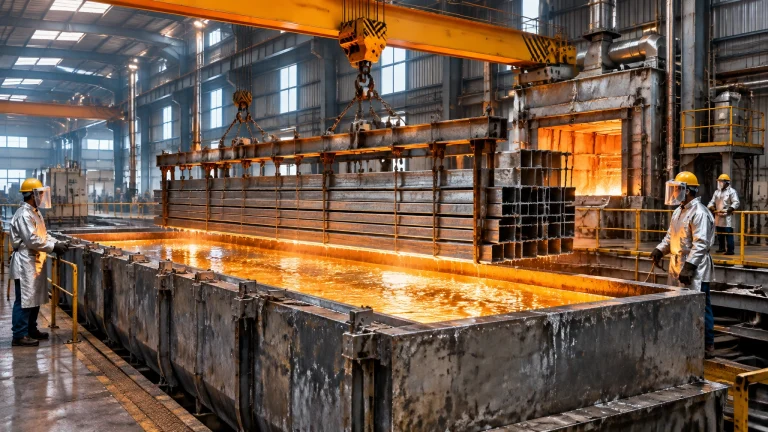
The industry has moved beyond simple melting. Today’s industrial furnace systems are expected to integrate seamlessly with Industry 4.0 protocols, providing real-time data on energy consumption and metallurgical purity. While the traditional reverberatory aluminum melting furnace remains a staple for bulk processing, induction technology has matured into a formidable contender for high-precision recycling operations.
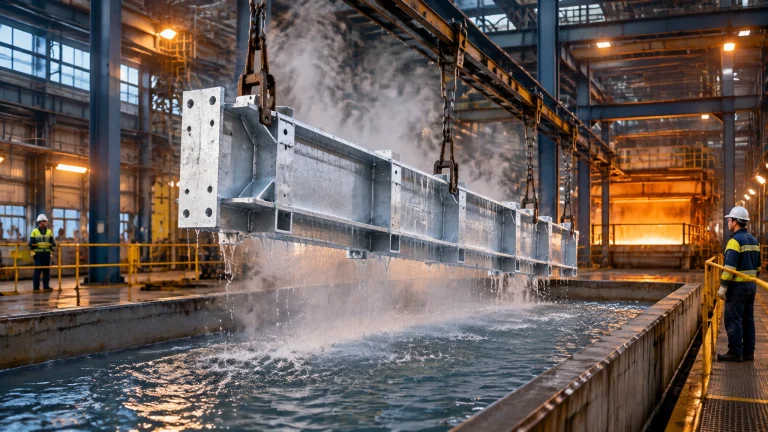
Modern recycling plants often require a mix of solutions. For instance, while a plant might utilize an induction system for high-grade scrap, they may still rely on specialized heat treatment furnaces for post-processing or a hot dip galvanizing plant for final coating applications. Understanding where each fits is essential for a balanced production ecosystem.
Technical Comparison: Induction vs. Conventional Melting
To provide an empirical foundation for your decision, we have compiled the following comparative analysis based on 2026 industry standards and our internal testing data.
Performance Benchmarks
| Feature | Coreless Induction Furnace | Gas-Fired Reverberatory Furnace |
|---|---|---|
| Thermal Efficiency | 65% – 85% | 20% – 55% |
| Energy Source | Electricity (Grid/Renewable) | Natural Gas / Fuel Oil |
| Metal Loss (Oxidation) | < 1.0% | 3.0% – 5.0% |
| CO₂ Emissions (On-site) | Zero (0 kg/t) | 150 – 400 kg/t |
| Temperature Control | Precise (+/- 2°C) | Broad (+/- 10°C) |
| Optimal Throughput | 0.5 – 5 tons per hour | 5 – 50 tons per hour |
| Capital Expenditure | Higher (Initial) | Lower (Initial) |

Efficiency & Yield: The Business Case for Induction
In 2026, the cost of energy and the "carbon tax" associated with combustion have fundamentally shifted the ROI calculation. Induction furnaces utilize electromagnetic induction to heat the metal directly from within, eliminating the inefficiencies of heating the air and refractory walls first.
1. Quantum Leaps in Metal Yield
One of the most compelling arguments for induction in an aluminum recycling plant is the reduction in dross formation. Traditional gas-fired furnaces involve high-velocity burners that expose the surface of the molten metal to reactive gases, leading to significant oxidation. In an induction setup, the inherent electromagnetic stirring action ensures a uniform temperature and minimizes surface exposure, resulting in metal yield increases of up to 2-4%. For a high-volume facility, this yield gain alone can often offset the higher initial capital expenditure within an 18-to-24-month period.
2. Decarbonization and Regulatory Compliance
As an industrial furnace manufacturer committed to sustainable solutions, we emphasize that induction technology is the only viable path for plants aiming for "Net Zero." By utilizing a clean energy source, facilities can bypass the costly carbon capture and storage (CCS) infrastructure required for large-scale combustion units like a traditional melting furnace for steel or aluminum.
The Maintenance Roadmap & Spare Parts Strategy
Maintenance is the silent killer of profitability. Regardless of which technology you choose, the availability and quality of furnace spare parts are critical to minimizing downtime.
Phase 1: Predictive Maintenance for Induction
Induction systems are electronically complex but mechanically simple. There are no burners to clean or gas trains to calibrate. However, the induction coil and power electronics require specialized attention.
- Key Focus: Coil insulation integrity and water-cooling circuit efficiency.
- 2026 Tech Update: Modern sensors now allow for "Condition-Based Maintenance," where the furnace alerts the operator before a component fails.
Phase 2: Structural Integrity for Conventional Furnaces
Reverberatory furnaces face intense thermal stress on their refractory linings. Frequent cleaning of dross and the mechanical impact of heavy scrap charging can lead to rapid degradation.
- Key Focus: Regular inspection of burner nozzles, refractory patches, and door seals to prevent "heat bleed."
- Strategy: Maintain a robust stock of high-grade furnace spare parts, including silicon carbide elements and custom-cast refractories, to ensure rapid repairs.

Sustainability & Industry 4.0 Integration
The modern recycling plant is a data-driven environment. Whether you are managing a steel rolling mill or an aluminum facility, your thermal processing equipment must communicate with your ERP system.
At Continental Furnaces, our 2026 models feature integrated AI-driven diagnostics. This allows plant managers to monitor:
- Specific Energy Consumption (SEC): Tracking kWh per ton melted in real-time.
- Refractory Life Projection: Predicting the exact date for the next relining operation.
- Alloy Consistency: Integration with spectrometers to ensure the final product meets the rigorous standards of the aerospace and automotive sectors.
Strategic Decision Framework: Making the Right Choice
Choosing the "better" furnace depends entirely on your operational profile and long-term business goals.
Choose an Induction Furnace if:
- Your primary input is high-grade, clean scrap or ingots.
- You require precise alloy control and frequent recipe changes.
- Your facility is located in a region with strict carbon emission regulations.
- You prioritize minimal labor requirements for furnace cleaning and skimming.
Choose a Conventional Aluminum Melting Furnace if:
- You process high volumes of contaminated or bulky scrap.
- Your priority is the lowest possible capital cost per ton of installed capacity.
- You have access to low-cost natural gas and existing emissions-handling infrastructure.
- Your throughput requirements exceed 10 tons per hour on a continuous basis.

Conclusion: Securing Your Competitive Advantage
The transition to advanced melting technology is not merely a technical upgrade; it is a strategic repositioning of your business for a more efficient, sustainable future. While the traditional aluminum melting furnace remains an essential tool for high-volume secondary smelting, the induction furnace offers a level of precision, yield, and environmental stewardship that is becoming the new industry benchmark.
As your enduring partner in thermal solutions, Continental Furnaces provides the expertise needed to navigate this transition. From custom-engineered heat treatment furnaces to complete metal recycling furnace projects, our goal is to deliver high-performance, sustainable solutions that ensure your facility thrives in the years to come.
Ready to optimize your melt shop? Consult with our engineering team today to develop a customized roadmap for your next thermal processing project. Let us help you achieve a sustained competitive advantage through cutting-edge engineering and ISO-certified quality.