Selecting an industrial furnace manufacturer is a high-stakes capital investment that dictates your facility’s operational efficiency, product quality, and long-term profitability for decades. In the complex landscape of thermal processing, the transition from a standard vendor to a strategic engineering partner can be the difference between a high-yield production line and a liability prone to frequent downtime.
At Continental Furnaces, we bring over 35 years of industry-leading expertise to the table. We understand that whether you are operating a steel rolling mill or a specialized wire and cable industry facility, the requirements for precision and energy efficiency are non-negotiable. This guide serves as a technical roadmap for B2B decision-makers to evaluate and select the optimal manufacturer for their thermal processing equipment.
Phase 1: Technical Alignment and Process Specificity
The initial stage of selection must go beyond "catalog browsing." A premier industrial furnace manufacturer should begin by dissecting your specific metallurgical and production requirements.
For industries such as steel manufacturing or automotive, the furnace is not a standalone unit but a cog in a larger mechanical ecosystem. You must ensure the manufacturer has deep experience in your specific niche:
- Rolling Mill Industry: Expertise in CCR (Continuous Casting & Rolling) and CCM (Continuous Casting Machine) mills is essential.
- Wire and Cable Industry: Requires specific knowledge in continuous annealing and galvanizing processes.
- Metal Recycling: Focuses on high-efficiency metal recycling furnaces and sustainability benchmarks.
Defining Your Parameters
Before consultation, document your exact performance indicators:
- Temperature Uniformity: Precise ranges (e.g., +/- 5°C) required for specialized heat treatment furnaces.
- Atmosphere Requirements: Need for inert gases like Argon or Nitrogen to prevent oxidation.
- Cycle Times: Expected throughput rates for melting furnaces for steel or aluminum.
Phase 2: Evaluating Engineering Depth and Customization
Generic, "one-size-fits-all" solutions often lead to significant energy waste and suboptimal yields. The hallmark of a top-tier manufacturer is the ability to provide customized solutions that integrate seamlessly into your existing floor plan and workflow.

When reviewing a manufacturer's portfolio, look for sophisticated engineering in:
- Heat Treatment Furnaces: Precision-engineered for optimal metal performance and durability.
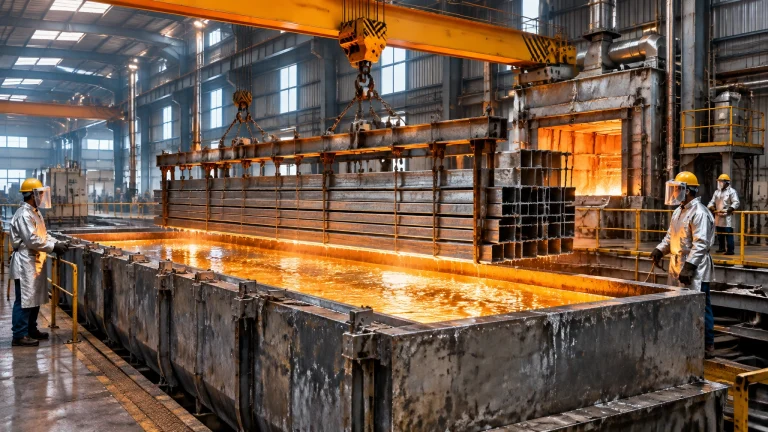
- Melting Furnaces & Recycling Projects: High-efficiency systems for both ferrous and non-ferrous metals, including the aluminum melting furnace.
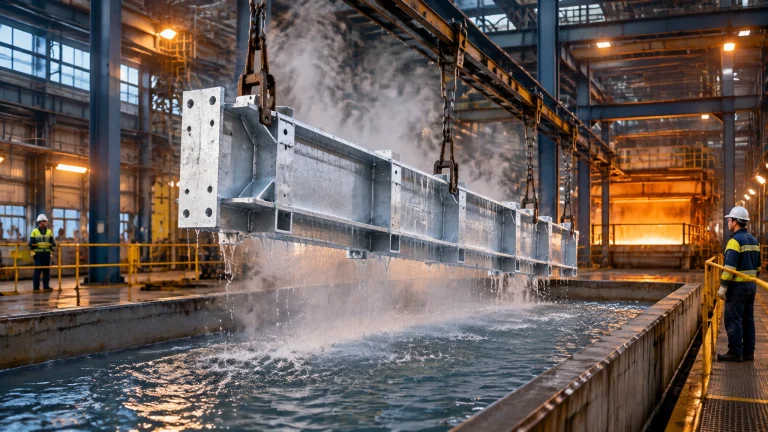
- Galvanizing Plants: Advanced hot dip galvanizing plant technology for superior corrosion protection.
- Pickling Plants: Integrated solutions for improved metal surface quality before final processing.
Continental Furnaces offers consulting services to help bridge the gap between abstract production goals and concrete hardware specifications, ensuring that every project is a "quantum leap" in efficiency.
Phase 3: Energy Efficiency and "Industry 4.0" Integration
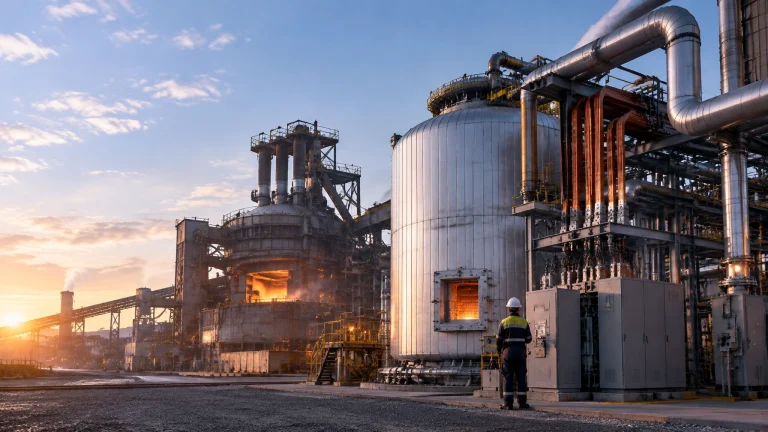
In the modern regulatory environment, sustainability is no longer optional. It is a core driver of ROI. Leading industrial furnace systems now leverage high-grade insulation, regenerative burners, and advanced heat recovery systems to reduce fuel consumption by up to 20-30% compared to traditional designs.
Comparison: Legacy vs. Modern Thermal Technology
| Metric | Traditional Furnaces | Modern Continental Systems |
|---|---|---|
| Fuel Efficiency | Low (High exhaust heat loss) | High (Heat recovery & optimization) |
| Control Precision | Manual/Analog | Digital PLC/SCADA Integration |
| Downtime Frequency | High (Reactive maintenance) | Minimal (Predictive diagnostics) |
| Compliance | Basic Safety | ISO-Certified & Environmental Safety |
| ROI Period | 5–7 Years | 2–4 Years (via energy savings) |
Beyond hardware, the software layer is critical. Systems must feature advanced control decks with automated loading, recipe management, and real-time data logging. This level of automation is essential for facilities moving toward Industry 4.0 standards, ensuring full traceability for aerospace or defense applications.

Phase 4: Lifecycle Value and Sustained Support
The relationship with your manufacturer should not conclude at the point of installation. To maintain a sustained competitive advantage, you require a partner committed to the entire lifecycle of the equipment.
The Maintenance and Spares Ecosystem
A manufacturer’s reliability is often measured by their after-sales response. Ensure they provide:
- Prompt Service: Minimal downtime is critical for high-volume steel rolling mills.
- Furnace Spare Parts: Readily available components to ensure longevity.
- Refurbishment Services: The ability to perform imported furnace refurbishment or furnace conversions to upgrade legacy equipment.
Continental Furnaces prides itself on a super-prompt service model, recognizing that every hour of downtime in a melting furnace for steel represents a direct loss in profitability.
Phase 5: Certifications and Regulatory Compliance
Quality assurance is the bedrock of industrial safety. A manufacturer must hold ISO certifications and demonstrate a commitment to international standards. This is particularly vital for hot dip galvanizing plants and pickling plants, where chemical management and thermal safety intersect.

Checklist for Final Selection:
- 35+ Years of Tenure: Proven track record in diverse global markets.
- Customization Portfolio: Evidence of bespoke engineering for the wire and cable industry or recycling plant setup.
- Technology Stack: Use of cutting-edge, energy-efficient materials and burners.
- Service Infrastructure: Dedicated teams for installation, training, and maintenance.
Conclusion: Securing Your Competitive Advantage
The choice of an industrial furnace manufacturer is a strategic decision that will define your operational capabilities for years to come. By prioritizing energy efficiency, technical customization, and long-term service support, you ensure your facility remains at the forefront of the industry.
At Continental Furnaces, we don’t just build equipment; we engineer the future of your production line. Our mission and values are centered on delivering high-performance, sustainable solutions that empower our clients across the globe.
Ready to optimize your thermal processing operations?
Contact our consulting team today to begin your assessment and take a decisive step toward sustained industrial excellence.