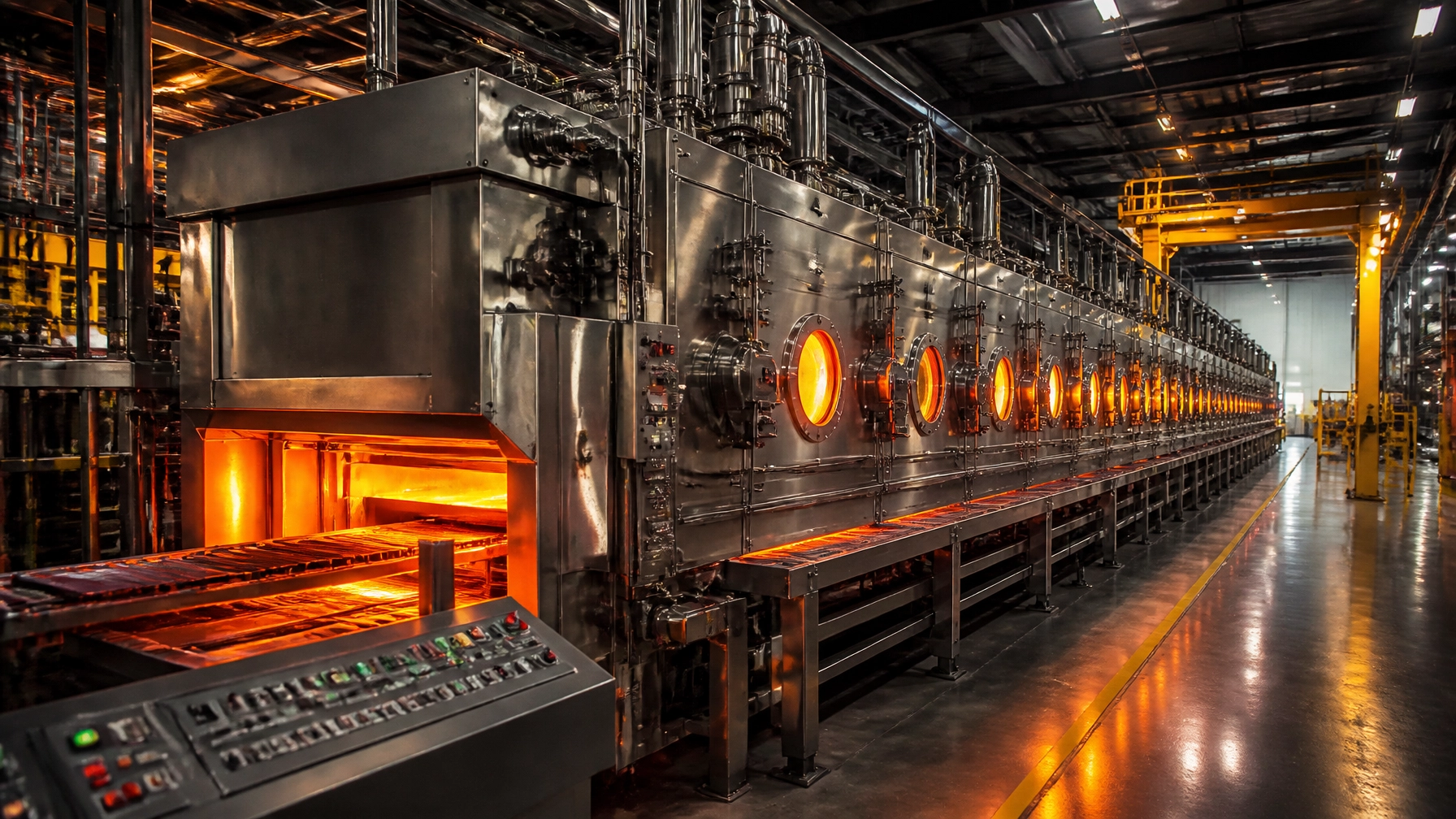
As we navigate the third quarter of 2026, the industrial landscape is undergoing a profound metamorphosis. For over 35 years, Continental Furnaces has stood at the vanguard of thermal processing, and in this afternoon edition of Industrial Insights, we examine the technical shifts and maintenance imperatives defining the current era. The transition from traditional "heating" to highly "controlled thermal processing" is no longer a strategic choice; it is the baseline for global competitiveness.
The integration of Industry 4.0 technologies into industrial furnace systems has moved beyond the pilot phase. Today, our partners in the wire and cable industry, automotive manufacturing, and metal recycling are demanding smarter, more efficient, and hyper-reliable equipment to meet stringent regulatory and profitability targets.
Phase 1: Technical Deep Dive – The 2026 Efficiency Benchmarks
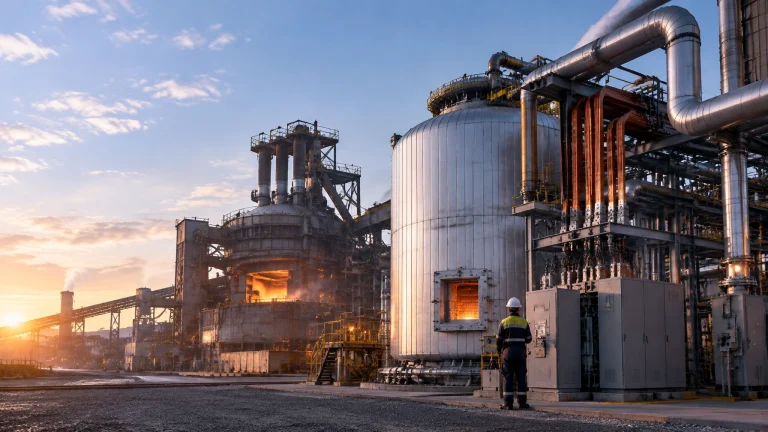
The modern industrial furnace manufacturer is now as much a software and data engineering firm as a mechanical one. In 2026, we have identified three critical technological pillars that are reshaping the efficiency of a typical steel rolling mill and individual heat treatment furnaces.
1. Regenerative Combustion & Heat Recovery
Modern thermal processing equipment now achieves fuel savings of 30–65% compared to legacy installations. This is largely driven by:
- Regenerative Burners: Utilizing exhaust heat to preheat combustion air, delivering an immediate 30% reduction in fuel consumption.
- Waste Heat Recovery (WHR): Systems that capture exhaust gases at temperatures up to 450°C to generate steam or provide secondary heating, yielding an additional 18–22% gas savings.
- Direct Hot Charging: By integrating continuous casting with the steel rolling mill, reheat energy demand is slashed by 65%, a quantum leap in operational yield.
2. The Rise of the Aluminum Melting Furnace
As the automotive sector pivots toward lightweighting, the aluminum melting furnace has become a focal point of innovation. Our 2026 models feature oxy-fuel conversion and hybrid heating capabilities, allowing for a 100% electric operation in specific "Green Deal" zones. This ensures not only compliance with evolving carbon taxes but also a superior quality of the molten metal through reduced dross formation.
3. Hydrogen-Ready Solutions
Continental Furnaces is currently deploying "Hydrogen-Ready" burners across our melting furnace for steel product lines. These systems can utilize hydrogen-natural gas blends, reducing CO₂ emissions by 40–60% without compromising the high-temperature requirements of heavy-duty casting.
Phase 2: Maintenance Roadmap – Shifting from Reactive to Predictive
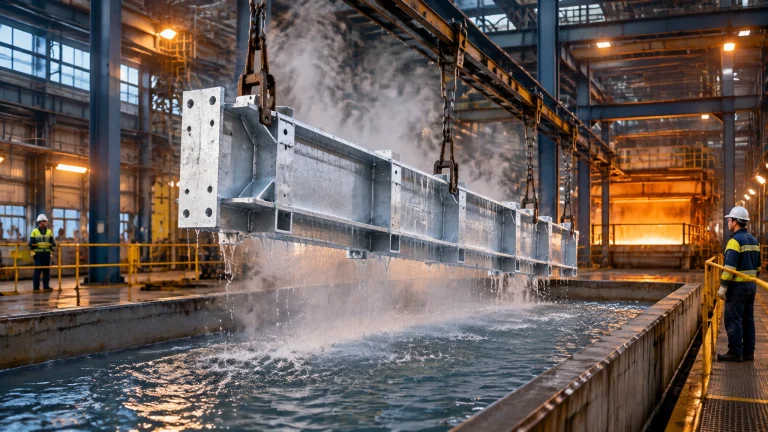
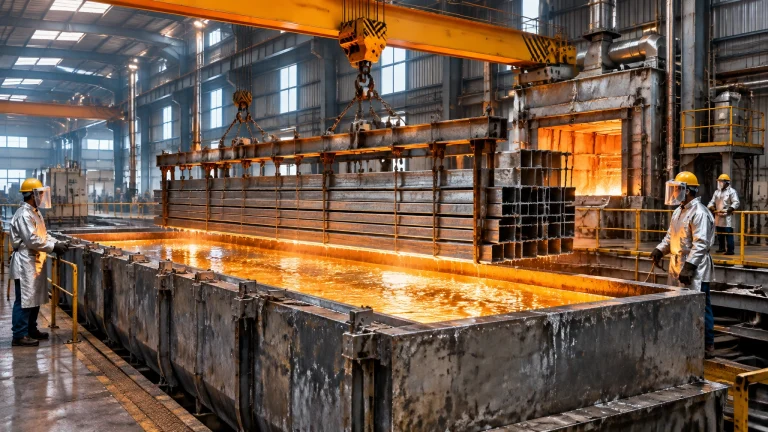
Maintenance in 2026 is governed by data, not calendars. For a facility manager, the primary objective is the elimination of unplanned downtime, which can cost upwards of $20,000 per hour in a high-capacity hot dip galvanizing plant.

The Predictive Maintenance Protocol
To ensure your industrial furnace systems remain at peak performance, we recommend a three-stage implementation roadmap:
- Sensor Instrumentation: Retrofit existing furnaces with IoT sensors for zone temperatures, vibration (for blowers), dew point (for atmosphere control), and power draw.
- Digital Twin Integration: Utilize a virtual replica of your heat treatment furnaces to simulate process changes and predict component failure 200–400 operating hours before it occurs.
- Critical Inventory Management: Maintain a strategic stock of essential furnace spare parts, including high-efficiency burners, refractory modules, and specialized sensors, to facilitate "just-in-time" repairs during planned windows.
Pro-Tip: Proper maintenance of a metal recycling furnace can extend the lifecycle of the refractory lining by 25%, significantly improving the ROI of high-temperature assets. Learn more about our sustainable recycling solutions here.
Comparative Analysis: Legacy vs. 2026 Technology
The table below contrasts traditional furnace performance against the current 2026 Continental Furnaces standard.
| Metric | Traditional Legacy Systems | 2026 Continental Systems | Competitive Advantage |
|---|---|---|---|
| Fuel Efficiency | Standard Combustion | Regenerative + WHR | 30–50% Savings |
| Downtime | Reactive (Break-Fix) | AI-Driven Predictive | 70% Reduction |
| Control Precision | Manual/PID Loops | Digital Twin / Closed-Loop | ±1°C Accuracy |
| Emission Profile | High CO₂/NOₓ | Hydrogen-Ready / Electric | Regulatory Compliance |
| Specific Energy | >45 kWh/t (Rolling) | <30 kWh/t (Rolling) | Lower OpEx |

Phase 3: Industry-Specific Innovations
Wire and Cable Industry
For the wire and cable industry, precision is paramount. Our latest vertical annealing furnace installations feature automated feed rollers and high-efficiency burners that ensure consistent tensile strength across thousands of kilometers of product. The focus on custom-built, energy-efficient solutions has allowed our clients to maintain market leadership in an increasingly crowded global market.
Metal Recycling & Sustainability
The metal recycling furnace is no longer just a piece of equipment; it is a cornerstone of the circular economy. Continental Furnaces' tilting rotary furnaces are engineered for high throughput and minimal energy loss. As we highlighted during our recent exhibition at BMR 2025, the ability to process diverse scrap grades with high yield is the primary differentiator for modern foundries.
Sustaining Competitive Advantage through Strategic Partnership
The complexity of modern thermal processing requires more than just a hardware vendor; it requires an enduring partnership. At Continental Furnaces, we don't just manufacture a melting furnace for steel or a hot dip galvanizing plant; we engineer a total solution that accounts for your specific metallurgical requirements, energy costs, and local regulations.

Whether you are looking to modernize a steel rolling mill or require a bespoke aluminum melting furnace, our engineering team is ready to conduct a comprehensive assessment of your current facility.
Immediate Action Items for Q3 2026:
- Audit your current energy consumption per ton and compare it against the <30 kWh/t benchmark.
- Evaluate your stock of critical furnace spare parts to avoid supply chain disruptions.
- Consult with our experts on the feasibility of hydrogen-blending or electrification for your next installation.
Direct Directive:
Contact our senior engineering consultants today at confur.net to schedule a site audit. Let us transition your facility from traditional heating to advanced thermal processing excellence.