The landscape of global thermal processing is undergoing a profound metamorphosis. As of July 2026, the convergence of decarbonization mandates, Industry 4.0 integration, and the rising cost of traditional energy sources has shifted the industrial furnace from a secondary utility to a primary strategic asset. For decision-makers in the steel, automotive, and aerospace sectors, the ability to optimize thermal efficiency is no longer merely a competitive advantage: it is a prerequisite for operational survival.
At Continental Furnaces, our 35 years of engineering pedigree allow us to observe these shifts through a lens of seasoned technical wisdom. This morning edition explores the critical advancements in thermal processing equipment, the strategic pivot toward electrification, and the roadmap for modernizing legacy facilities to meet the rigorous demands of the 2020s.
The Efficiency Imperative: Electrification and Intelligent Control
The most significant trend defining 2026 is the rapid adoption of industrial furnace systems that utilize electric induction and advanced digital control. In specialized economic zones, including those influenced by the EU Green Deal and similar Asian industrial initiatives, new installations are increasingly moving away from fossil fuels.
Our recent benchmarks indicate that modern electric heat treatment furnaces can achieve energy efficiency ratings of 65–75%, a quantum leap compared to the 45–55% typical of traditional gas-fired units. This efficiency is not solely a product of the energy source but also of the precision with which it is applied.
Key Performance Drivers in 2026:
- Waste Heat Recovery (WHR): Integrating high-efficiency recuperators can capture exhaust heat to preheat combustion air, potentially reducing fuel consumption by up to 25%.
- Advanced Refractory Insulation: The use of high-density ceramic fiber modules reduces "heat sink" effects, ensuring that thermal energy is directed precisely at the workload rather than the furnace shell.
- IoT-Enabled Atmosphere Control: Real-time monitoring of oxygen levels and fuel-air ratios prevents over-firing and reduces oxidation, preserving the metallurgical integrity of the product.

Metal Recycling and the Circular Economy
Sustainability in 2026 is driven by the economics of the "Circular Economy." The demand for a high-performance metal recycling furnace has surged as manufacturers seek to reduce their reliance on primary ore. Whether processing ferrous scrap or non-ferrous alloys, the equipment must handle varying feedstocks without compromising the purity of the melt.
In the non-ferrous sector, the aluminum melting furnace has become the centerpiece of the modern foundry. Our latest designs focus on high-yield melting with minimal dross formation: a critical KPI for profitability in the wire and cable industry and automotive casting.

Strategic Comparison: Traditional vs. Modern Thermal Systems
To evaluate the ROI of a system upgrade, one must look beyond the initial capital expenditure (CAPEX) and focus on the total cost of ownership (TCO) over a 10-year cycle.
| Metric | Traditional Gas-Fired Systems | Modern Industry 4.0 Systems |
|---|---|---|
| Thermal Efficiency | 40% – 55% | 65% – 80% |
| Start-up Time | 4 – 6 Hours | 1.5 – 2 Hours |
| Atmosphere Control | Manual/Analogue | Digital/Automated PID |
| Data Integration | None (Isolated) | Full Cloud/SCADA Integration |
| Maintenance Profile | Reactive (High Downtime) | Predictive (AI-Driven) |
| Regulatory Compliance | High Risk of Non-Compliance | Carbon-Neutral Ready |
Precision in the Steel Rolling Mill
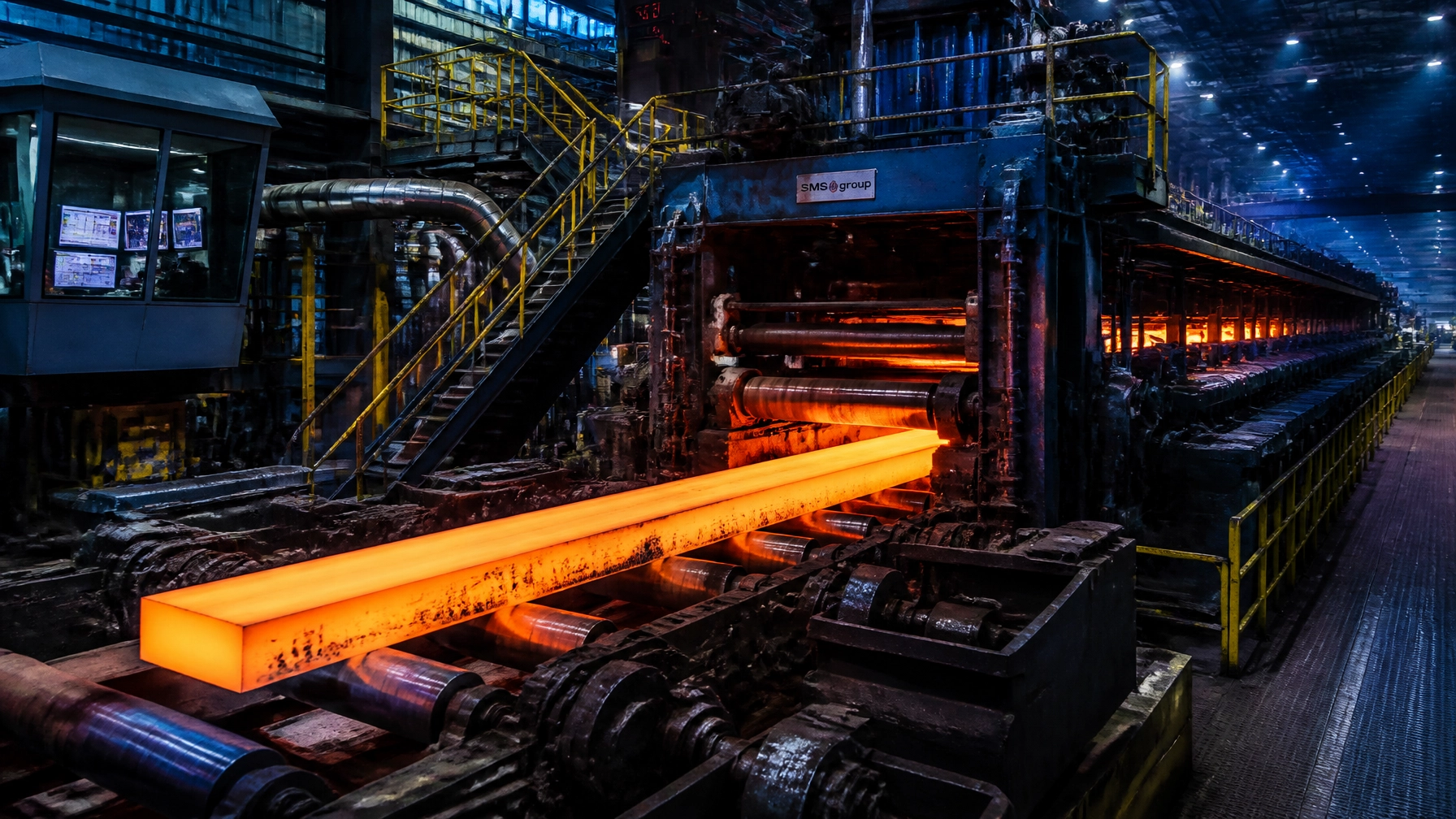
The modern steel rolling mill requires a seamless synchronization between the reheating phase and the mechanical rolling process. Any temperature variance in the melting furnace for steel or the subsequent reheating furnace results in gauge inconsistencies and structural defects.
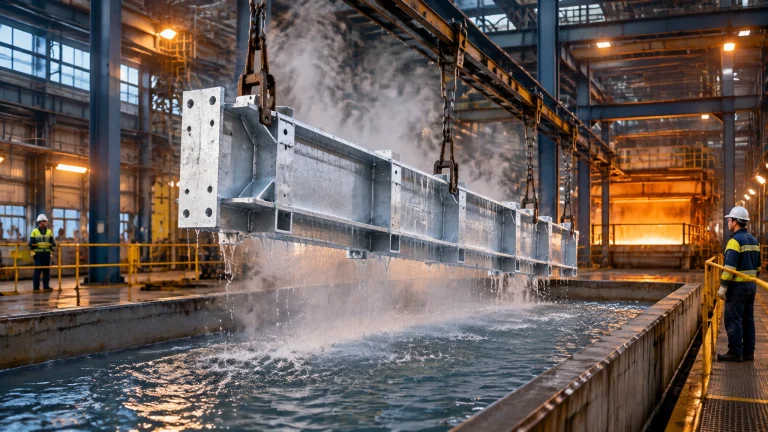
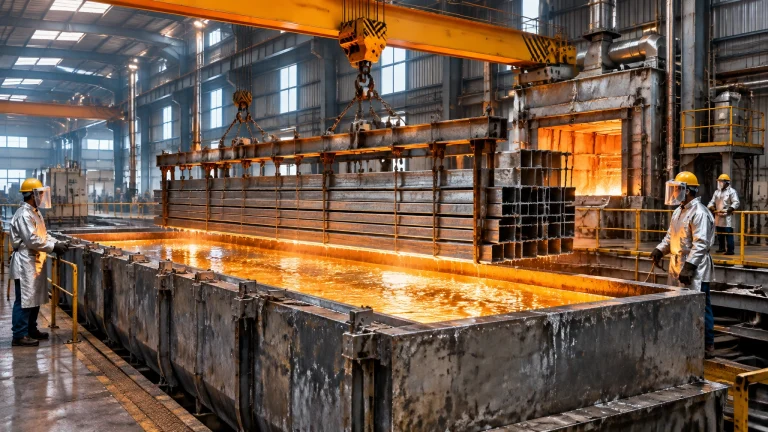
Continental Furnaces specializes in wire rod mill equipment and integrated solutions that ensure uniform thermal profiles. By utilizing automated feed rollers and high-velocity burners, we achieve the precise metallurgical properties required for high-tensile steel applications. Furthermore, our hot dip galvanizing plant solutions provide the final, essential layer of corrosion protection, utilizing advanced coating technology that minimizes zinc consumption while maximizing surface durability.

Operational Roadmap: A Phased Approach to Modernization
Transitioning a legacy facility into a high-performance operation is a strategic journey. We recommend a three-phase "Modernization Roadmap":
Phase 1: Technical Audit and Thermal Mapping
Before any hardware is replaced, a comprehensive assessment of the existing industrial furnace manufacturer standards must be conducted. This involves thermal imaging to identify heat leaks and gas flow analysis to detect combustion inefficiencies.
Phase 2: Targeted Retrofitting and Automation
Not every furnace requires a total replacement. Often, the integration of new furnace spare parts: such as high-efficiency burners, modern PLC panels, and updated refractory linings: can deliver a 15–20% improvement in performance with a significantly lower CAPEX than a new build.
Phase 3: Full Industry 4.0 Integration
The final phase involves linking your thermal processing equipment to the plant’s wider ERP system. This allows for real-time adjustments based on production scheduling, utility price fluctuations, and predictive maintenance alerts.

Lifecycle Management and Maintenance
The reliability of your thermal infrastructure depends heavily on the quality of the components and the rigor of the maintenance schedule. As a leading industrial furnace manufacturer, Continental Furnaces emphasizes the use of genuine, precision-engineered furnace spare parts.
Low-quality aftermarket components often lead to uneven heating or premature failure, which can halt a wire industry annealing line for days. Our commitment to ISO-certified quality ensures that every component: from the smallest sensor to the largest refractory brick: is built to withstand the extreme environments of a continuous manufacturing cycle.

Conclusion: Securing Your Strategic Advantage
The industrial landscape of 2026 leaves no room for inefficiency. As global markets move toward zero-waste manufacturing, the technology you choose today will dictate your profitability for the next two decades.
Whether you are looking to install a new hot dip galvanizing plant, optimize a steel rolling mill, or transition to a high-efficiency aluminum melting furnace, the experts at Continental Furnaces are ready to serve as your strategic partners. We offer not just machinery, but a 35-year legacy of engineering excellence and a commitment to your long-term success.
Actionable Insight: Contact our technical advisory team today for a comprehensive thermal efficiency audit. Let us help you transform your energy consumption from a variable cost into a controlled, strategic advantage.