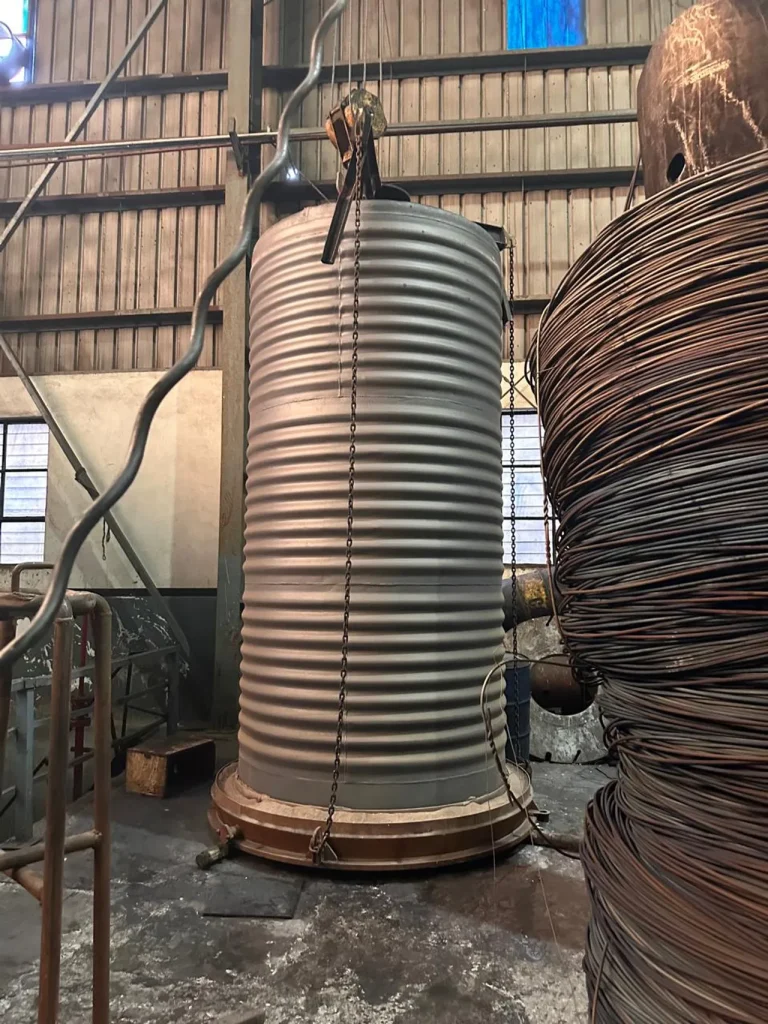
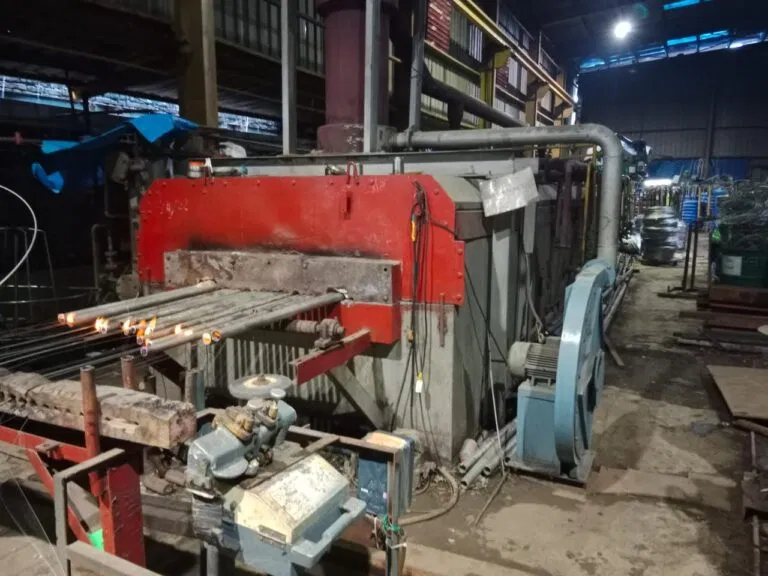
In the high-stakes environment of metal processing, the margin between operational excellence and catastrophic downtime is often measured in millimeters and millivolts. As we navigate the industrial landscape of 2026, the complexity of thermal processing equipment has reached an apex, integrating sophisticated IoT sensors and AI-driven control loops. Yet, even the most advanced heat treatment furnaces are susceptible to failure if the fundamentals of maintenance are ignored.
At Continental Furnaces, with over 35 years of engineering pedigree, we have seen how minor oversights transform into multimillion-dollar losses. Whether you are operating a steel rolling mill, an aluminum melting furnace, or a hot dip galvanizing plant, your profitability hinges on the reliability of your thermal assets.
Below, we dissect the seven most prevalent: and expensive: maintenance mistakes industrial facilities make today, and provide a roadmap for strategic remediation.
1. The "Run-to-Failure" Fallacy in 2026
Many facilities still operate under the outdated "if it isn't broken, don't fix it" philosophy. In the era of Industry 4.0, this is no longer a viable strategy; it is a liability. Waiting for a melting furnace for steel to fail before intervention results in 4x higher repair costs and unpredictable production halts.
- The Fix: Transition to Predictive Maintenance (PdM). By utilizing vibration analysis on circulation fans and infrared thermography on furnace shells, you can identify failures weeks before they occur. Continental Furnaces integrates these sensor suites into our modern industrial furnace systems, allowing for scheduled interventions that align with your production cycles.
2. Neglecting Refractory Health and Insulation Integrity
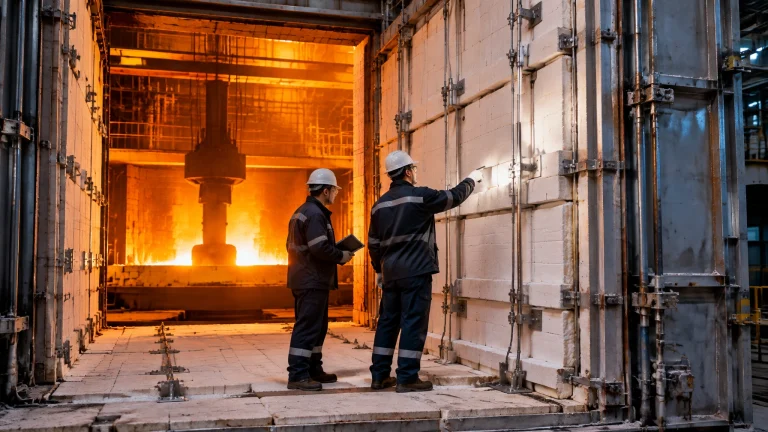
The refractory lining is the heart of your furnace's thermal efficiency. Even minor cracks or spalling can lead to significant heat loss, forcing burners to overcompensate and driving up fuel consumption. In a metal recycling furnace, chemical erosion from fluxing agents can rapidly degrade lining if not monitored.
- The Fix: Implement a monthly visual inspection of the furnace interior and use thermal imaging to detect "hot spots" on the outer shell. Patching minor refractory damage early extends the lifecycle of the entire unit by years.

3. Burner Imbalance and Combustion Inefficiency
A common error in thermal processing equipment is ignoring the air-fuel ratio. Over time, valves clog and sensors drift, leading to "rich" or "lean" burns. This not only wastes energy but can cause localized overheating or oxidation of the product: a critical failure in the wire and cable industry where surface quality is paramount.
- The Fix: Conduct quarterly combustion tuning. Ensure your burners are operating at peak stoichiometric efficiency. If your current system lacks automated ratio control, consider an upgrade to our latest high-velocity burner systems.
4. Calibration Drift in Thermal Control Systems
In 2026, metallurgical specifications are tighter than ever. A 5°C drift in a thermocouple can be the difference between a high-performance component and a batch of scrap. Many operators assume their PID controllers are accurate without regular validation against certified standards.
- The Fix: Adhere to a rigorous Temperature Uniformity Survey (TUS) schedule. Calibrate all thermocouples and sensors bi-annually. For critical aerospace or automotive components, this is not just a best practice; it is a regulatory requirement.
5. Utilizing Sub-standard Furnace Spare Parts
In an attempt to cut costs, some procurement departments opt for generic, non-OEM furnace spare parts. These components often lack the metallurgical grade required to withstand the specific thermal cycling of a Continental furnace. The result? Premature failure and potential damage to primary furnace structures.
- The Fix: Exclusively use OEM-certified spares. High-quality rollers, heating elements, and radiant tubes are engineered for specific expansion rates and atmospheric resistances. The initial "saving" on a generic part is quickly erased by the cost of an unplanned shutdown.

6. Ignoring Seal and Gasket Integrity
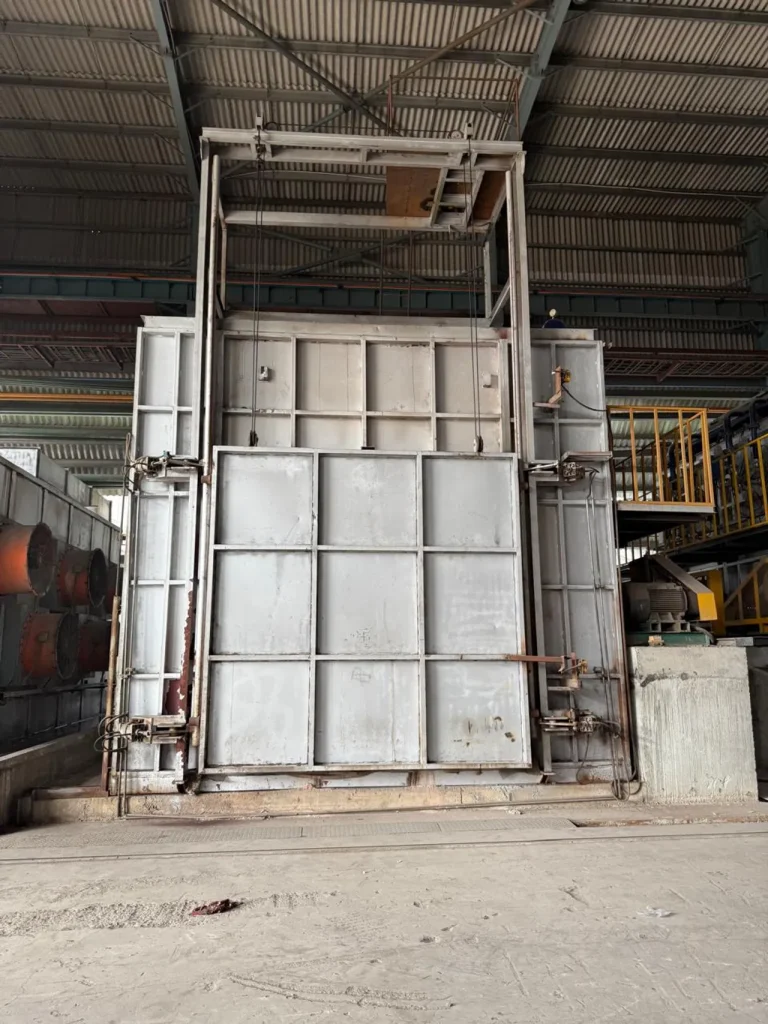
In atmosphere-controlled furnaces, the integrity of door seals and gaskets is critical. Air infiltration causes decarburization in steel and oxidation in non-ferrous metals. Furthermore, leaking heat degrades the mechanical components of the door lift system.
- The Fix: Inspect and lubricate door seals weekly. Replace gaskets at the first sign of compression set or brittleness. Modern silicone and ceramic fiber seals offer superior resilience compared to legacy materials.
7. Inadequate Cooling System Maintenance
For high-capacity melting furnaces and hot dip galvanizing plants, the cooling system is the primary defense against structural overheating. Scale buildup in water jackets or clogged heat exchangers can lead to catastrophic shell deformation.
- The Fix: Monitor water flow rates and chemistry religiously. Implement a closed-loop cooling system with automated filtration to prevent the accumulation of minerals and biological growth.
Comparative Analysis: Legacy vs. Modern Maintenance Strategies
| Feature | Legacy Maintenance (Pre-2020) | Modern Strategic Maintenance (2026) | ROI Impact |
|---|---|---|---|
| Strategy | Reactive / Time-based | Predictive / Condition-based | -30% Downtime |
| Monitoring | Manual gauges | IoT-enabled real-time telemetry | +15% Energy Efficiency |
| Parts | Generic / Lowest cost | OEM-certified Spare Parts | Extended Asset Life |
| Documentation | Paper logs | Integrated ERP/Digital Twin | Regulatory Compliance |
| Skillset | Mechanical focus | Electro-mechanical & Data literacy | Higher Precision |
The Strategic Roadmap to Peak Performance
To transform your maintenance department from a cost center into a competitive advantage, follow this three-phase roadmap:
Phase 1: The Thermal Audit
Engage an industrial furnace manufacturer like Continental Furnaces to conduct a comprehensive system audit. This includes a TUS, combustion analysis, and refractory health assessment.
Phase 2: Sensor Integration
Equip your steel rolling mill equipment with modern sensors. Focus on vibration, temperature, and current draw. Connect these to a centralized monitoring deck to catch anomalies early.
Phase 3: Lifecycle Management
Develop a long-term plan for component replacement. By tracking the "Mean Time Between Failures" (MTBF) for your specific operation, you can stock critical furnace spare parts just-in-time, optimizing your inventory capital.
Conclusion: Partnering for Sustained Advantage
The industrial furnaces of 2026 are no longer simple boxes of fire; they are sophisticated thermal reactors. Treating them with a 20th-century maintenance mindset is a recipe for fiscal loss. By avoiding these seven mistakes, you ensure that your heat treatment furnaces remain the high-yield assets they were designed to be.
At Continental Furnaces, we don't just sell equipment; we provide the technical wisdom to keep it running at peak performance for decades. Our ISO-certified manufacturing and commitment to engineering excellence make us the preferred partner for global leaders in the steel, automotive, and wire and cable industries.
Don't wait for a red alert on your control panel. Contact our technical consulting team today to schedule a comprehensive audit of your thermal processing equipment and secure your competitive edge.