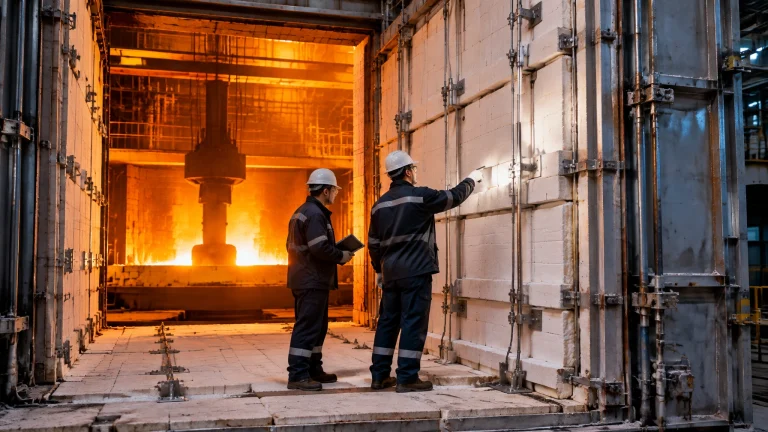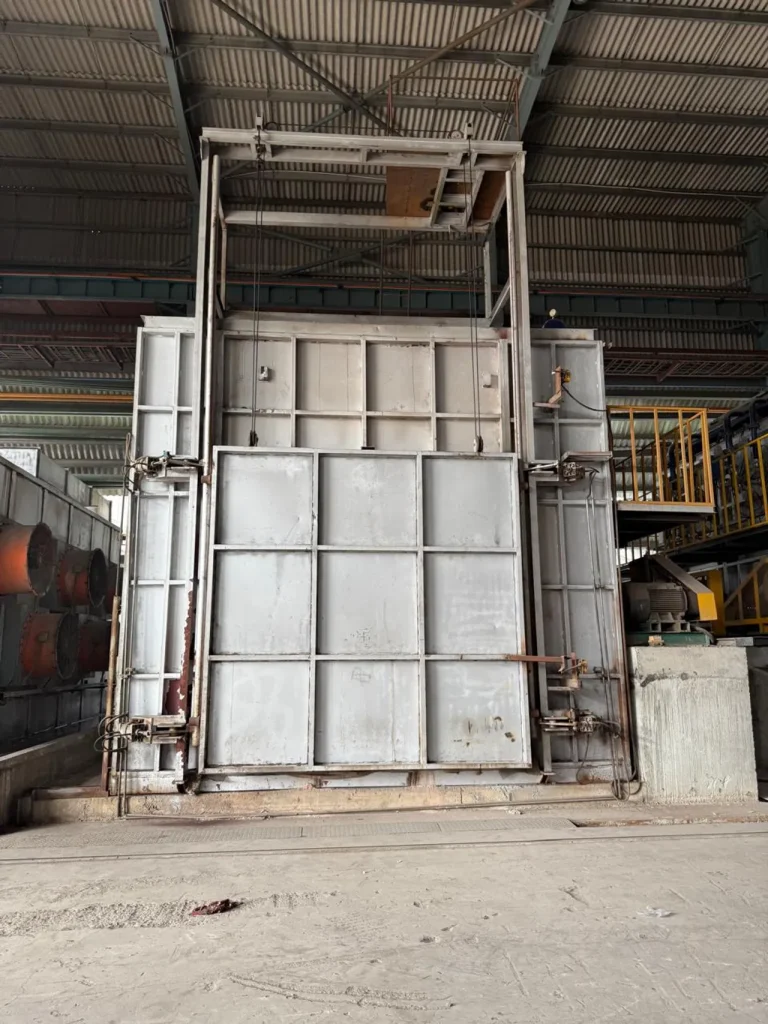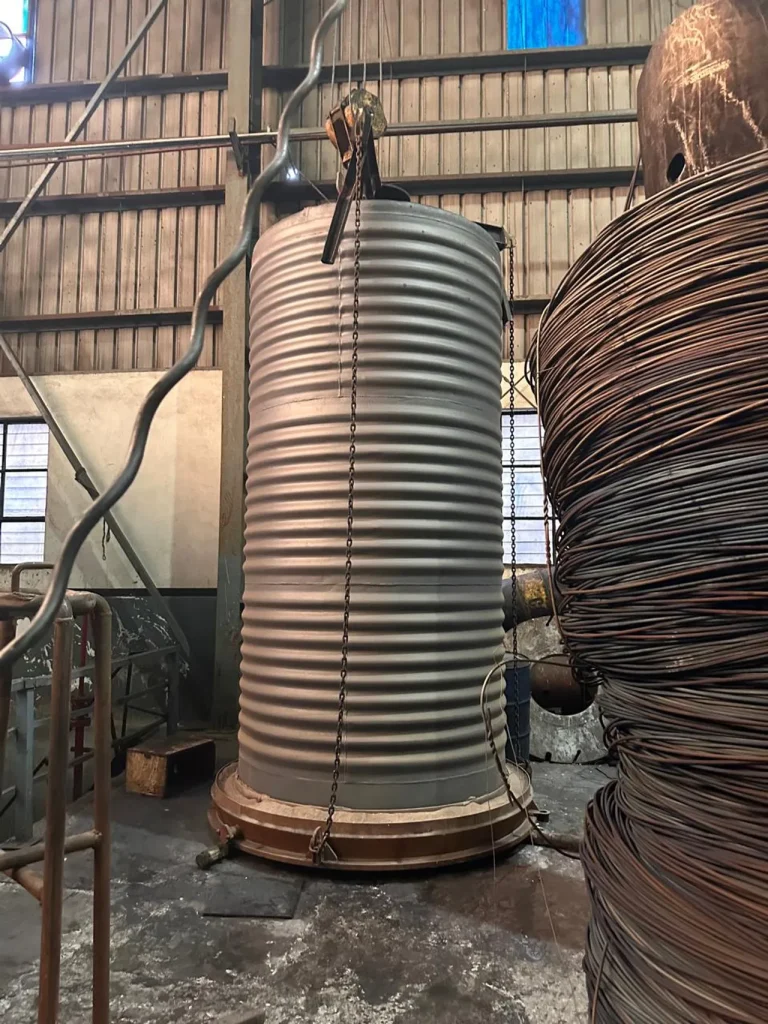
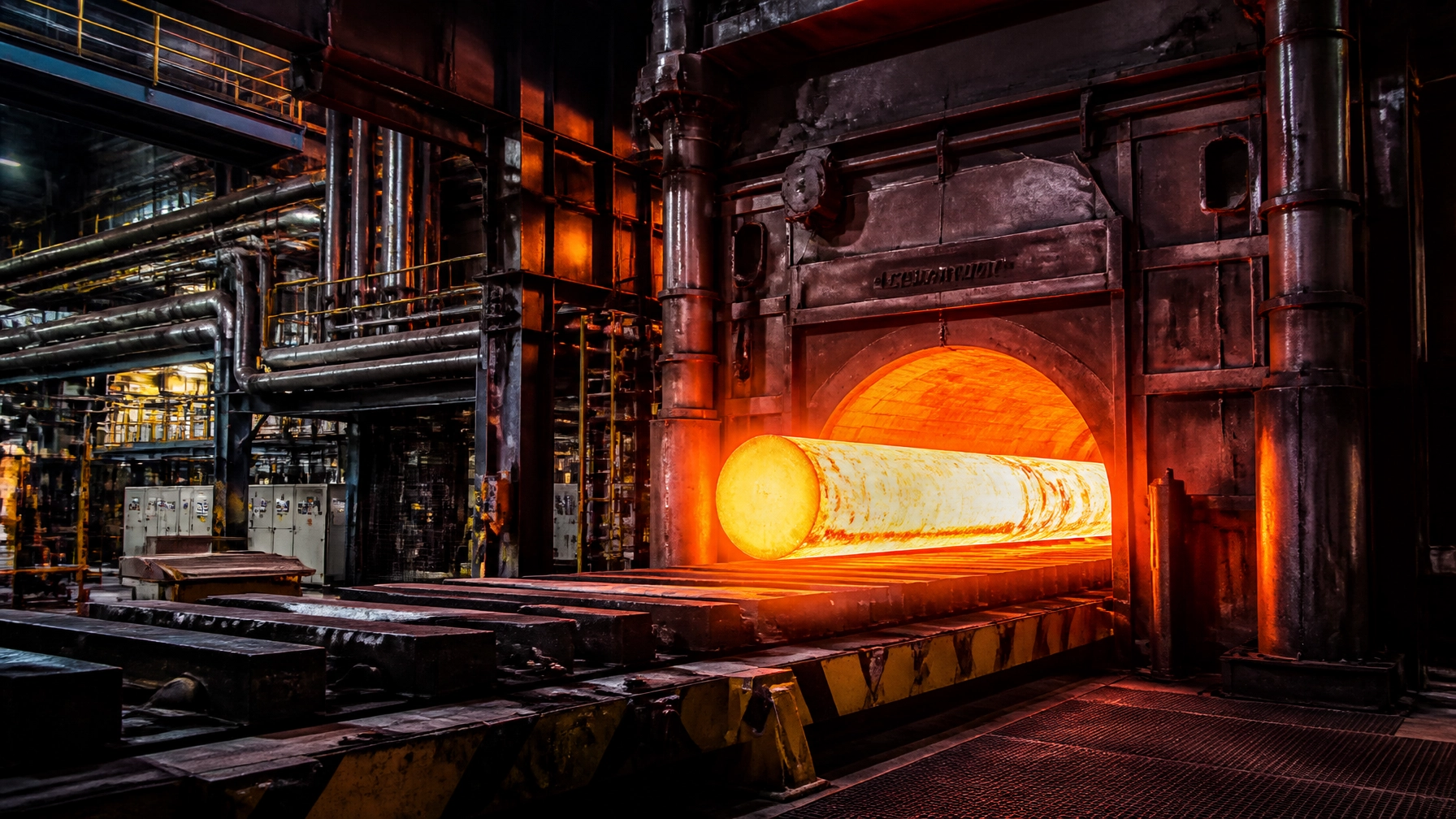
In the high-stakes environment of heavy industry: from steel rolling mills to high-capacity wire and cable industry plants: the thermal processing line is the heart of production. However, even the most robust heat treatment furnaces are susceptible to performance degradation if not managed with technical precision. At Continental Furnaces, with over 35 years of engineering tenure, we have observed that operational downtime is rarely the result of a single catastrophic event. Instead, it is the cumulative effect of marginal oversights in maintenance and furnace spare parts management.
To maintain a competitive edge in modern manufacturing, one must transition from reactive firefighting to a philosophy of total asset optimization. Below, we outline the seven critical mistakes currently compromising your yield, and the strategic roadmaps required to rectify them.
1. The "Run-to-Failure" Fallacy
Many facilities operate under the mistaken belief that delaying maintenance until a breakdown occurs maximizes equipment utilization. In reality, a "run-to-failure" approach in thermal processing equipment typically results in a 300% increase in repair costs compared to scheduled preventive interventions.
When components like heating elements or conveyor belts fail unexpectedly in a melting furnace for steel, the secondary damage to the refractory lining and structural housing can be immense.
- The Fix: Implement a rigorous preventive maintenance schedule. Continental Furnaces provides comprehensive service support and technical assistance to ensure your assets operate within their peak design parameters.

2. Neglecting the Thermal Envelope (Insulation & Seals)
A furnace is only as efficient as its ability to contain heat. Worn door gaskets and compromised insulation lead to "thermal bridging," where heat escapes the chamber, forcing the burners to overcompensate. This not only spikes fuel consumption but also creates cold spots that jeopardize metallurgical integrity.
In a hot dip galvanizing plant or a metal recycling furnace, even a 5% loss in thermal efficiency can result in six-figure annual losses in energy expenditure.
- The Fix: Conduct quarterly thermographic inspections to identify heat leaks. Proactively replace seals and insulation modules using high-grade furnace spare parts designed for high-cycle durability.
3. Calibration Drift in Precision Metallurgy
In industries like automotive and aerospace, where tolerance for error is non-existent, a drift of even 5°C can lead to a failed batch. Many operators fail to realize that thermocouples and sensors degrade over time due to the harsh atmospheres inside an aluminum melting furnace or annealing line.
- The Fix: Establish a mandatory calibration cycle. Precise temperature uniformity is a hallmark of modern steel rolling mills, and maintaining sensor accuracy is the only way to validate your quality assurance protocols.

4. Burner Mismanagement & Inefficient Combustion
Burners are the primary engines of your furnace. Over time, nozzles can clog, and air-to-fuel ratios can shift, leading to incomplete combustion or localized overheating. This is particularly critical in large-scale industrial furnace systems where uneven flame patterns can warp the metal being processed.
- The Fix: Regular burner tuning is essential. Upgrading to high-efficiency burners can reduce fuel consumption by 15–20%, providing a rapid ROI for high-volume operations.
5. Refractory Degradation: The Hidden Energy Thief
The refractory lining is the first line of defense against the intense temperatures required for melting and heat treatment. Cracks, spalling, and chemical attacks from flux can degrade the lining, leading to structural risks. Ignoring these "minor" cracks in a melting furnace for steel eventually leads to complete shell failure.
- The Fix: Use only ISO-certified refractory materials. Patching small gaps with specialized refractory mortar during scheduled downtime prevents the need for a full, multi-million dollar relining project later.
6. Fragmented Spare Parts Inventory
The cost of an idle furnace is measured in thousands of dollars per hour. Yet, many plants do not maintain a "Critical Spares" list. Relying on "just-in-time" delivery for specialized components like high-alloy radiant tubes or crucibles and burners is a high-risk strategy that often leads to extended outages.
- The Fix: Partner with an experienced industrial furnace manufacturer to audit your inventory. Stocking essential, long-lead-time components ensures that your production remains resilient against supply chain disruptions.

7. Reliance on Non-OEM / Sub-standard Components
In an attempt to reduce short-term O&M costs, some facilities procure "generic" spare parts. These components often lack the metallurgical grade required for sustained high-temperature operation, leading to premature fatigue and potentially catastrophic failures.
- The Fix: Invest in quality. High-performance furnace spare parts from Continental Furnaces are engineered to survive the most demanding environments, ensuring long-term reliability and lower total cost of ownership (TCO).
Comparative Analysis: Reactive vs. Proactive Management
The following table illustrates the empirical benefits of moving toward a proactive management framework:
| Metric | Reactive Management | Proactive Asset Optimization |
|---|---|---|
| Unplanned Downtime | 12–15% annually | < 2% annually |
| Energy Consumption | Increases as components age | Optimized via precision tuning |
| Component Lifespan | 40–60% of design life | 95–110% of design life |
| Repair Costs | Emergency premiums (High) | Planned procurement (Standard) |
| Product Yield | Variable Quality | Consistent Excellence |
The Strategic Roadmap to Thermal Excellence
To rectify these mistakes and secure a sustained competitive advantage, we recommend a three-phase transformation of your thermal processing operations:
Phase 1: Technical Audit
Engage experts to conduct a comprehensive audit of your existing industrial furnace systems. This includes gas-train inspections, thermal imaging, and a review of your current maintenance logs.
Phase 2: Inventory Rationalization
Identify your "critical path" components. Ensure that you have immediate access to specialized furnace spare parts, particularly for high-intensity assets like billet reheating furnaces.
Phase 3: Continuous Monitoring & Industry 4.0
Integrate smart sensors to monitor real-time performance data. By identifying trends in fuel consumption or temperature deviation, you can intervene before a failure occurs: moving from preventive to predictive maintenance.

Conclusion: Partnering for Performance
The difference between a profitable facility and a struggling one often lies in the details of thermal management. By avoiding these seven common mistakes and adopting a professional approach to spare parts and maintenance, you ensure that your heat treatment furnaces remain assets rather than liabilities.
As a leading industrial furnace manufacturer, Continental Furnaces is committed to your operational success. Our expertise spans the entire spectrum of thermal processing; from the steel rolling mill to advanced metal recycling furnaces.
Don't wait for a breakdown to optimize your line. Contact Continental Furnaces today for a strategic consultation on how we can enhance your facility's efficiency, yield, and profitability.