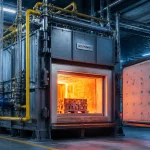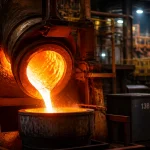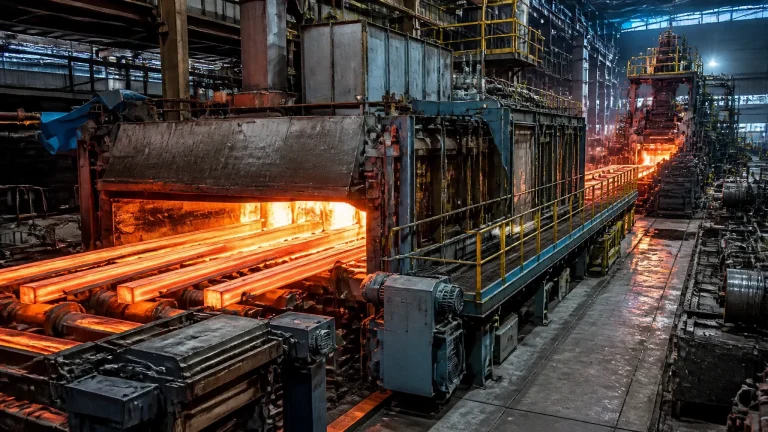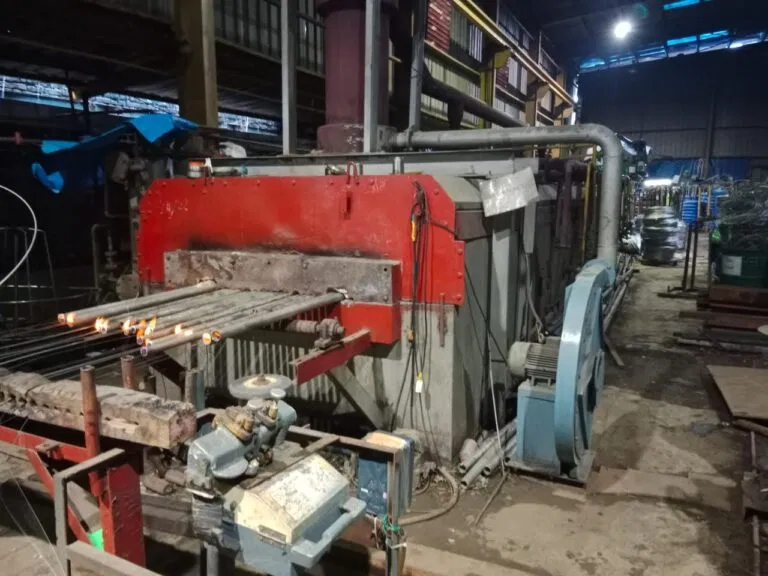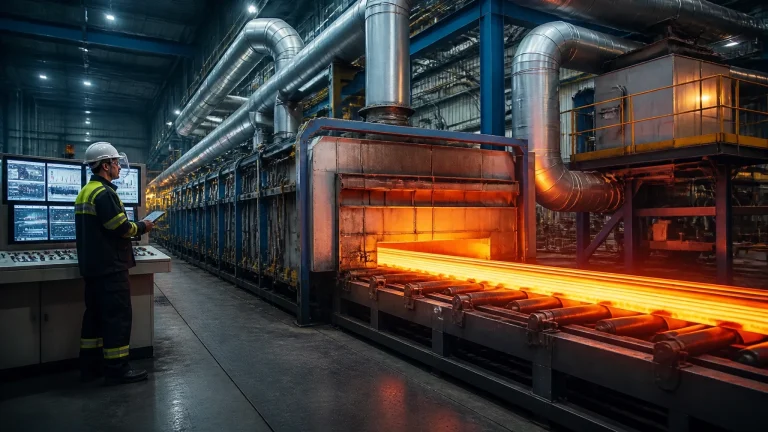

In the high-stakes environment of heavy industry, a heat treatment furnace is more than just a piece of equipment; it is the heartbeat of your production line. Whether you are operating a steel rolling mill, an aluminum melting furnace, or a high-capacity wire and cable industry line, the integrity of your thermal processing equipment dictates your final product's metallurgical quality, your facility's energy efficiency, and, ultimately, your bottom line.
At Continental Furnaces, with over 35 years of engineering excellence, we have observed that even the most sophisticated industrial furnace systems can fall victim to performance degradation through subtle maintenance oversights. Transitioning from a reactive to a predictive maintenance model is not merely a technical upgrade: it is a strategic necessity for sustained competitive advantage.
Below, we outline the seven critical maintenance mistakes currently compromising your operations and the expert-led roadmaps to rectify them.
1. Operating Without a Rigorous Preventive Maintenance (PM) Program
The most pervasive error in the thermal processing equipment sector is the "run-to-fail" mentality. Waiting for a catastrophic component failure before intervening results in unplanned downtime that is significantly more expensive than scheduled maintenance.
The Fix: Implement a Tiered PM Roadmap
Establish a formal, documented protocol that categorizes tasks by frequency. This ensures that critical safety interlocks and burner efficiencies are never ignored.
- Daily: Visual inspection of flame patterns and monitoring of control panel alerts.
- Weekly: Leak detection in gas trains and inspection of door seals.
- Monthly: Lubrication of fan bearings and verification of belt tensions in continuous systems.
- Annually: Comprehensive refractory analysis and full system recalibration.
2. Neglecting the "Drift" in Combustion and Atmosphere Settings
Over time, burner air-to-fuel ratios and atmosphere flow rates (such as nitrogen or endogas) inevitably drift due to component wear or manual adjustments. In a melting furnace for steel, even a 2% deviation in oxygen levels can lead to excessive oxidation, increased scale formation, and a 5-10% surge in fuel consumption.

The Fix: Baseline and Calibrate
Utilize calibrated flue gas analyzers to reset burners to their original commissioning specifications. By maintaining optimal combustion, you secure energy efficiency and prevent the "sooting" that ruins high-value metal batches.
3. Ignoring Refractory Degradation and Insulation Loss
Refractory linings are the primary defense against heat loss. However, many operators overlook hairline cracks or minor spalling until they manifest as "hot spots" on the furnace shell. This leads to structural warping and massive thermal leakage.
The Fix: Thermal Mapping and Patching
Incorporate infrared thermography into your quarterly inspections. Identifying a hot spot early allows for localized patching using high-quality furnace spare parts and specialized refractories, extending the life of the lining by years and maintaining a stable thermal profile within the chamber.
4. Skipping Routine Calibration of Sensors and Thermocouples
Precision is the hallmark of professional heat treatment. Thermocouples and oxygen probes are consumable items that degrade under constant high-temperature exposure. Running a furnace on "ghost" readings leads to out-of-spec mechanical properties and potential product recalls.

The Fix: Standardized Replacement Cycles
Do not wait for a thermocouple to fail. Implement a usage-based replacement cycle. For critical aerospace or automotive applications, adhere strictly to pyrometry standards (such as AMS 2750), ensuring your industrial furnace manufacturer or internal team performs regular System Accuracy Tests (SAT).
5. Failure to Maintain Door Seals and Atmospheric Integrity
In the wire and cable industry and specialized hot dip galvanizing plants, maintaining a controlled atmosphere is vital to prevent decarburization and surface defects. Worn gaskets and warped door frames allow ambient air to infiltrate, destroying the delicate chemical balance of the furnace.
The Fix: The "Light and Paper" Test
Conduct regular checks for light leaks around door perimeters. Ensure all compression seals are pliable. If a seal has hardened, it must be replaced immediately to prevent the loss of expensive process gases and the compromise of metallurgical integrity.
6. Allowing Accumulation of Scale, Soot, and Debris
In a metal recycling furnace or a high-throughput steel rolling mill, the accumulation of oxide scale and debris on the furnace hearth is a constant battle. This debris acts as an insulator, preventing even heat distribution and potentially damaging the mechanical handling systems of the furnace.
The Fix: Integrated Clean-out Protocols
Schedule mandatory downtime for "cold-cleaning" the furnace interior. Removing scale and vacuuming dust from burner ports ensures that your thermal processing equipment operates at peak performance, reducing the risk of fire and improving product surface quality.
7. Overlooking Electrical Connections and Heating Elements
For electrically heated systems, loose terminals are a silent killer. Thermal cycling causes wires to expand and contract, eventually loosening lugs and leading to arcing, charred insulation, and intermittent power loss to heating zones.
The Fix: Torque Verification and Resistance Testing
During every major outage, perform a torque check on all high-current electrical connections. Additionally, measure the resistance of heating elements to identify thinning or "necking" before an element breaks during a production run.
Comparative Analysis: Reactive vs. Proactive Maintenance
The following table illustrates the objective benefits of transitioning to a professional maintenance framework, emphasizing the ROI of expert-led care.
| Metric | Reactive (Run-to-Fail) | Proactive (Continental Standard) |
|---|---|---|
| Unplanned Downtime | 15% – 25% annually | < 2% annually |
| Energy Consumption | High (due to drift/leaks) | Optimized (10-15% lower) |
| Component Lifespan | Shortened (stress-driven) | Extended (optimized usage) |
| Product Yield | Variable (scrap risk) | Consistent (ISO-certified quality) |
| Repair Cost | High (emergency premiums) | Budgeted (planned parts) |
The Strategic Path Forward: A Three-Phase Roadmap
As a leading industrial furnace manufacturer, we recommend a structured approach to furnace health.
Phase 1: The Technical Audit
Engage our consulting experts to perform a comprehensive audit of your current thermal systems. This includes combustion analysis, thermal imaging, and a review of your current metallurgical yields.
Phase 2: System Optimization
Replace worn components with genuine furnace spare parts and retune your control systems for current production demands. This often results in a "quantum leap" in performance for older equipment.
Phase 3: Personnel Empowerment
The most advanced industrial furnace systems are only as good as the operators running them. We provide technical training to ensure your team can identify early warning signs: such as unusual sounds, color shifts in the flame, or pressure fluctuations: before they escalate into system-wide failures.

Conclusion: Securing Your Competitive Edge
Maintenance is not a cost center; it is an investment in your facility's future. By addressing these seven mistakes, you transform your heat treatment furnaces from a liability into a high-performance asset capable of meeting the rigorous demands of the modern steel, automotive, and aerospace industries.
At Continental Furnaces, we specialize in more than just hardware. We provide the 35+ years of expertise required to keep your operations running at peak efficiency. From customized furnace solutions to prompt spare parts delivery, our commitment is to your long-term success.
Is your furnace operating at its theoretical maximum?
Contact our engineering team today for a comprehensive system evaluation and take the first step toward sustained competitive advantage.