As global decarbonization mandates tighten and energy volatility reshapes operational budgets, heavy industry stands at a critical technological crossroads. For B2B decision-makers in metallurgy and heavy manufacturing, energy optimization is no longer merely a sustainability checkbox: it is the core determinant of competitive viability. As a premier industrial furnace manufacturer with over 35 years of engineering excellence, Continental Furnaces has tracked and contributed to the seismic shifts defining 2026. Modern industrial furnace systems are transcending traditional thermal boundaries, integrating artificial intelligence, advanced electrification, and closed-loop circular economy principles to achieve unprecedented thermodynamic yields.
In this exhaustive industry brief, we examine the paramount thermal processing innovations driving energy efficiency in steel manufacturing, dissecting the granular metrics that separate legacy operations from next-generation facilities.
1. The EAF Evolution: Scrap Preheating and Thermodynamic Optimization
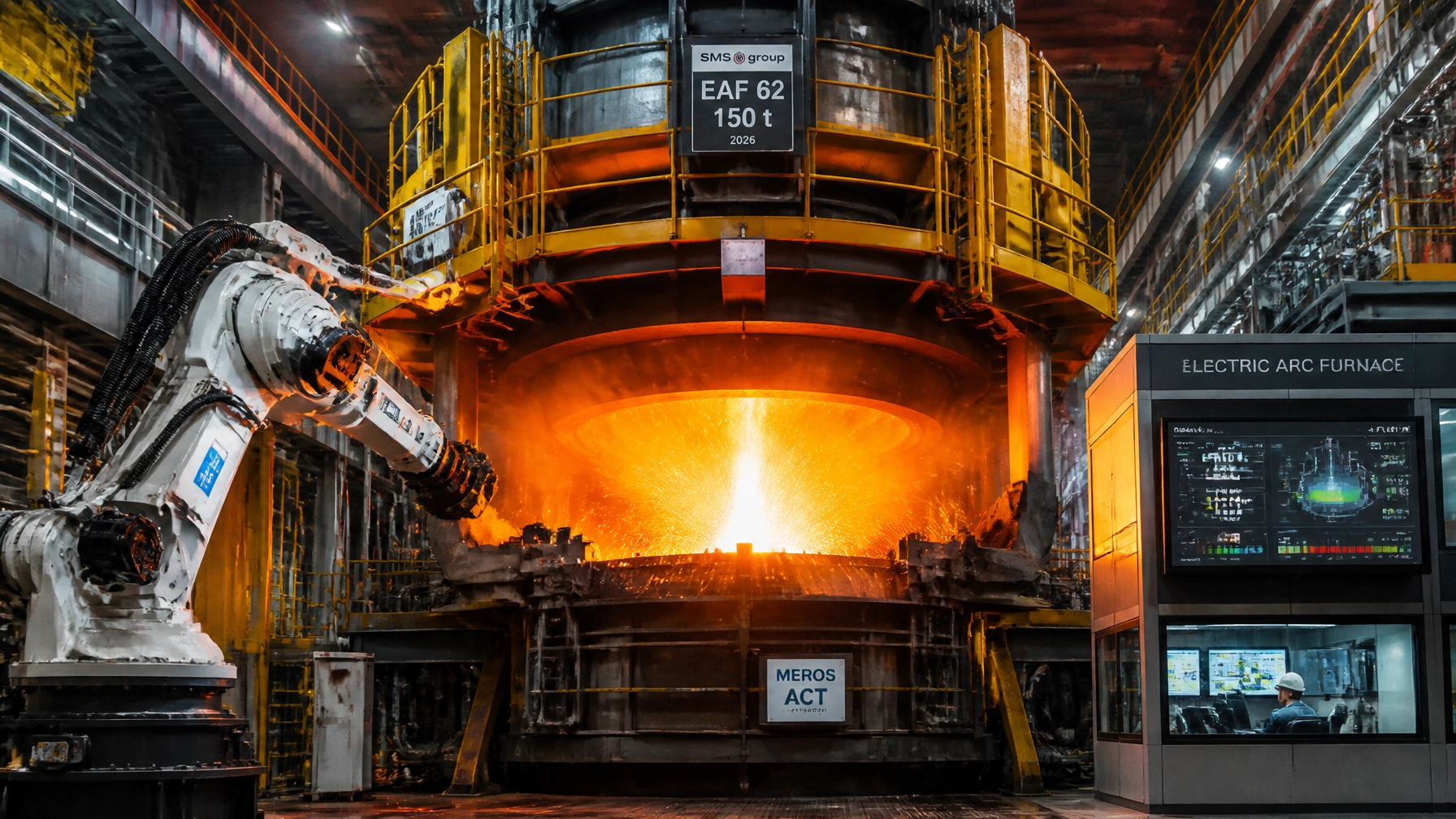
The transition away from traditional Blast Furnace–Basic Oxygen Furnace (BF-BOF) routes toward Electric Arc Furnace (EAF) steelmaking has accelerated dramatically. However, raw electrical consumption in conventional EAFs remains a primary operational cost driver. In 2026, advanced scrap preheating technologies are fundamentally altering this calculus.

By capturing high-temperature off-gases to preheat ferrous scrap charges prior to melting, operators achieve dramatic thermal boosts. Empirical metallurgical data confirms a direct correlation: a 100°C increase in scrap preheating temperature yields an approximate 25 kWh/t reduction in electrical energy consumption. When integrated into a heavy-duty melting furnace for steel, this thermal preconditioning significantly curtails tap-to-tap times while dampening peak kVA demand on the plant’s electrical grid.
Furthermore, pairing these systems with robust metal recycling furnace units ensures that heavy manufacturing plants can process scrap feeds of varying grades without compromising metallurgical purity or escalating specific energy inputs.
2. EASyMelt Technology and Advanced Blast Furnace Retrofits
While direct electrification is expanding, a vast installed base of integrated mills requires transitional interventions. Enter EASyMelt-type optimization packages and advanced tuyere injection systems. These innovations redefine traditional blast furnace and converter operations by injecting oxygen-enriched reducing gases and recycling top-gas thermal energy.
Modern retrofits achieve up to 70% CO2 reduction when combined with carbon-neutral hydrogen or bio-syngas injections, radically lowering primary fossil fuel dependencies. For rolling mill operators: particularly within the steel rolling mill sector feeding structural and automotive lines: these retrofits stabilize internal furnace atmospheres, minimizing oxidation scale losses and preserving valuable yield.
3. Induction Heating vs. Natural Gas Reheat Furnaces
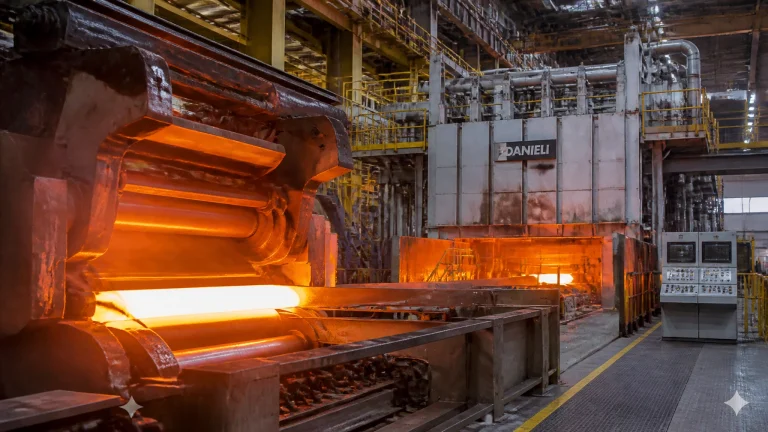
In downstream rolling and forging operations, the choice of reheating technology dictates both metallurgical integrity and energy overhead. Traditional natural gas-fired reheat furnaces, while familiar, suffer from substantial stack losses and extended thermal inertia.
┌────────────────────────────────────────┬────────────────────────────────────────┐
│ Traditional Gas Reheat Furnaces        │ Advanced Induction Heating Systems     │
├────────────────────────────────────────┼────────────────────────────────────────┤
│ • Efficiency: 40% – 55%                │ • Efficiency: ~85% Conversion Rate     │
│ • High scale formation & metal loss    │ • Near-zero scale & precise skin heat  │
│ • Extended startup / standby periods   │ • Instantaneous on/off power response  │
│ • Higher greenhouse gas emissions      │ • Zero direct emissions at workpiece   │
└────────────────────────────────────────┴────────────────────────────────────────┘
Operating at ~85% electrical-to-thermal conversion efficiency, induction heating systems direct high-frequency magnetic fields straight into the workpiece. This eliminates convective and radiative wall losses, providing precise thermal profiles essential for high-grade alloy bars, structural beams, and specialized wire rods produced in the wire and cable industry.
4. Intelligent Combustion Control and Waste Heat Recovery
For thermal processing applications where combustion remains necessary: such as continuous annealing lines, heavy batch operations, and specialized heat treatment furnaces: intelligent combustion management is paramount.
Modern systems utilize high-velocity regenerative burners equipped with zirconia oxygen sensors and closed-loop PLC algorithms. These systems continuously adjust fuel-to-air ratios in milliseconds, eliminating incomplete combustion and curbing NOx generation.

Concurrently, secondary waste-heat recovery (WHR) boilers and high-temperature thermal energy storage modules capture flue gas thermal energy. Capturing this waste heat allows facilities to preheat combustion air up to 1100°C, delivering fuel savings ranging from 25% to 35% across continuous thermal cycles. To maintain this high-yield operating tempo, plant operators rely on OEM-certified furnace spare parts and rapid-response maintenance protocols that eliminate catastrophic downtime.
5. Electrification Trends and Specialized Downstream Applications
The electrification wave extends far beyond primary melting. Across diverse sectors, engineers are retrofitting existing fossil-fueled infrastructure with hybrid electric-hydrogen thermal systems.
This electrification philosophy extends across our entire product spectrum at Continental Furnaces, including precision-engineered aluminum melting furnace units and high-performance hot dip galvanizing plant installations. By replacing gas-fired immersion tubes with advanced induction heating or direct electrical resistance elements, galvanizing lines achieve uniform bath temperatures (+/- 1°C), drastically reducing dross formation and extending kettle lifespans.

Similarly, continuous wire annealing installations demand exacting metallurgical grain refinement. Utilizing modular electric heating zones ensures that wire and strip products achieve optimal tensile strength while operating on increasingly decarbonized regional grids.
6. Strategic Roadmap: Implementing 2026 Thermal Innovations
Navigating the transition toward high-efficiency thermal processing requires a disciplined, multi-phase engineering roadmap. Industrial leaders should approach upgrades through a structured framework:
- Phase 1: Comprehensive Thermal Audit & Energy Mapping
Evaluate existing furnace efficiency, stack losses, and electrical demand profiles across all industrial furnace systems. Identify primary thermal bottlenecks and off-gas waste streams. - Phase 2: Thermodynamic Retrofitting & Burner Upgrade
Incorporate intelligent combustion controls, waste-heat recuperators, and optimized scrap preheating to achieve immediate double-digit energy reductions. - Phase 3: Targeted Electrification & Process Integration
Transition critical reheating and melting zones to induction or hydrogen-hybrid systems. Implement hot-charging linkages from casters directly into heat treatment furnaces to eliminate intermediate cooling penalties. - Phase 4: AI-Driven Digital Twin & Predictive Maintenance
Deploy machine learning algorithms for real-time furnace atmosphere optimization, paired with scheduled preventive maintenance using genuine furnace spare parts to secure lifetime operational reliability.
Conclusion: Partnering for Sustainable Industrial Excellence
The 2026 manufacturing landscape punishes thermodynamic inefficiency. For heavy industries striving to harmonize strict environmental compliance with aggressive profitability targets, investing in state-of-the-art thermal processing equipment is an absolute operational imperative.

At Continental Furnaces, we combine three and a half decades of metallurgical mastery with cutting-edge engineering to deliver bespoke thermal solutions tailored to your exact production parameters. Whether you are modernizing a rolling mill, scaling a recycling project, or executing a comprehensive plant electrification, our engineering consultants are ready to guide your journey.
Secure your sustained competitive advantage today. Contact our thermal engineering experts to schedule a comprehensive plant energy audit and discover how our advanced systems can transform your thermal processing efficiency.