As we navigate the complexities of the 2026 industrial landscape, the imperatives for manufacturing facilities have shifted from simple output volume to sophisticated thermal efficiency and digital integration. For over 35 years, Continental Furnaces has operated not merely as an industrial furnace manufacturer but as a strategic consultant to the global heavy industry sector. This afternoon edition of our Industrial Insights series examines the critical technological pivots occurring within thermal processing and provides a roadmap for facility managers to secure a sustained competitive advantage.
The current transition toward "Industry 4.0" is no longer a theoretical framework; it is an operational necessity. With electrification projected to account for approximately 46% of the furnace heating share in 2026, the industry is witnessing a quantum leap in how we approach heat distribution, atmospheric control, and energy recovery.
The 2026 Technical Landscape: Precision and Electrification
The demand for high-performance thermal processing equipment is being driven by the need for tighter metallurgical tolerances and the global push for decarbonization. Modern industrial furnace systems are now expected to integrate seamlessly with IIoT (Industrial Internet of Things) platforms, providing real-time data on temperature gradients and fuel consumption.
Key Performance Benchmarks for 2026
- Thermal Efficiency: Modern regenerative burners and advanced insulation now enable up to 30% reduction in specific energy consumption.
- Uptime Targets: Through AI-driven predictive maintenance, industry leaders are targeting a 98.5% equipment availability rate.
- Emission Compliance: New installations are increasingly moving toward hydrogen-ready burners or full electrification to meet zero-emission mandates in key industrial zones.
Strategic Focus: Rolling Mills and Metal Processing
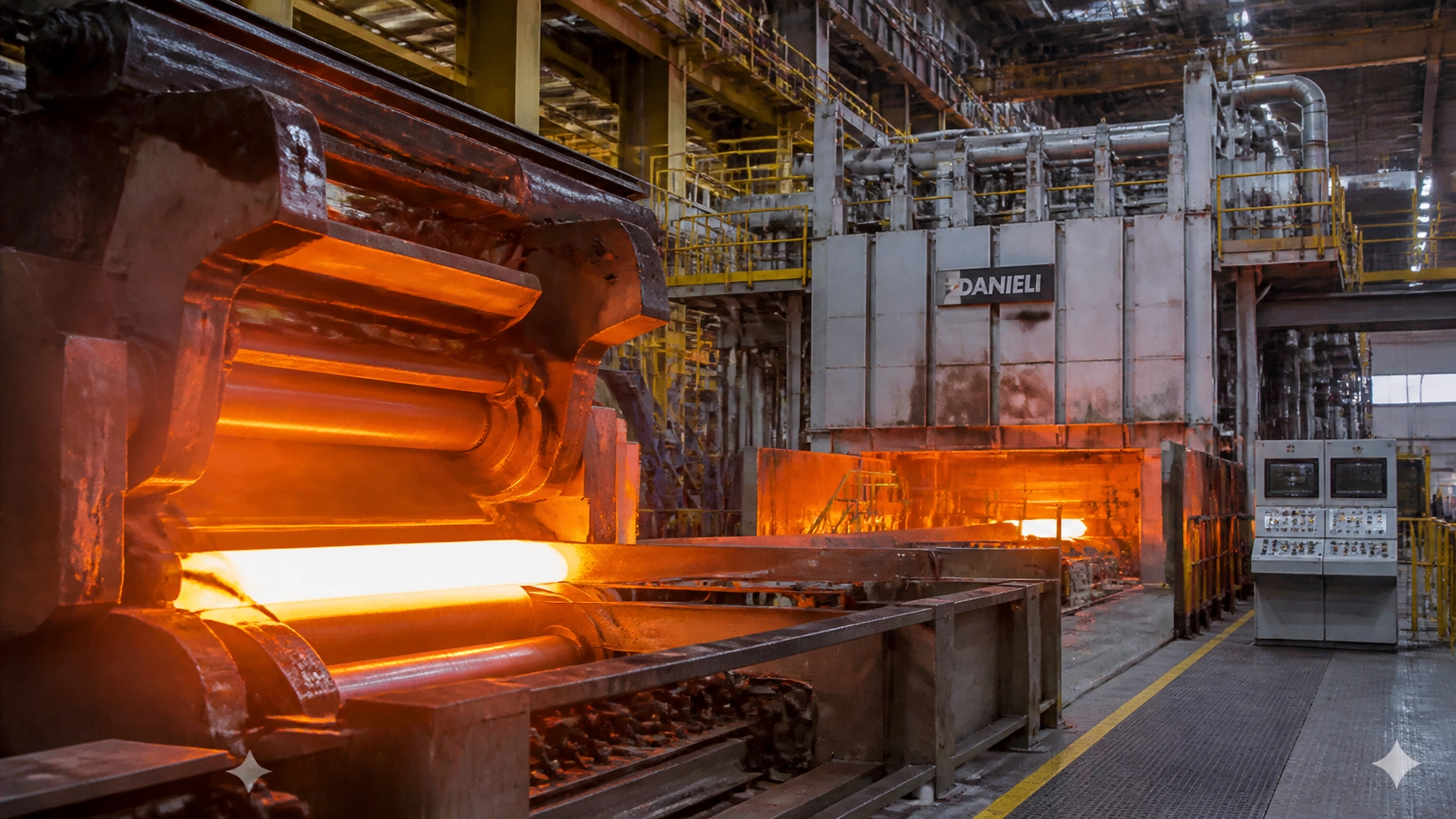
Continental Furnaces specializes in the engineering of high-capacity equipment tailored for the steel rolling mill sector. Whether for ferrous or non-ferrous applications, the consistency of the thermal profile directly dictates the quality of the final product.

Our latest melting furnace for steel designs incorporate automated charging systems and oxygen-fuel combustion to maximize melt rates while minimizing dross formation. For the non-ferrous sector, our aluminum melting furnace solutions provide the precision required for high-grade alloys used in the automotive and aerospace industries.
Comparative Technology Matrix: Traditional vs. Modern Systems
| Feature | Traditional Furnaces (Pre-2020) | Modern Continental Systems (2026) | Competitive Advantage |
|---|---|---|---|
| Control Logic | Manual / PID Loops | AI-Driven / Digital Twin | Predictive Optimization |
| Energy Source | Gas / Coal Only | Hybrid / Electric / H2-Ready | Regulatory Compliance |
| Refractory Life | 12–18 Months | 36+ Months (ISO Certified) | Lower OpEx |
| Data Integration | Isolated Silos | Full ERP/IIoT Integration | Operational Transparency |
Advanced Heat Treatment and Coating Solutions
In the Wire and cable industry, the requirement for consistent annealing is paramount to ensure the conductivity and ductility of the product. Our pit-type annealing furnaces and bell-type systems are engineered to handle massive throughput while maintaining a protective atmosphere to prevent oxidation.
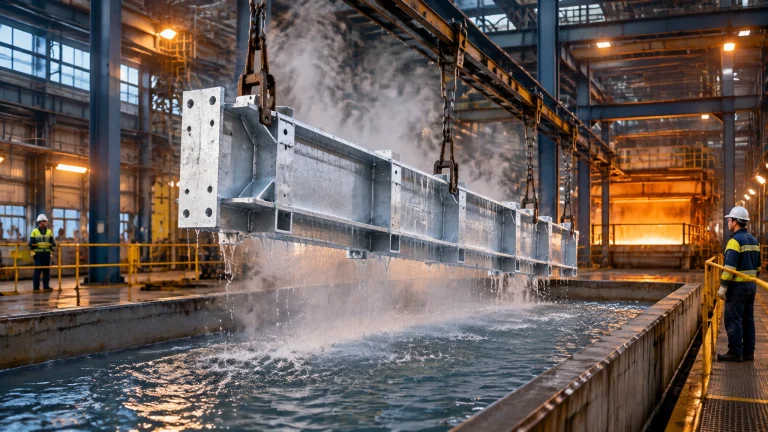
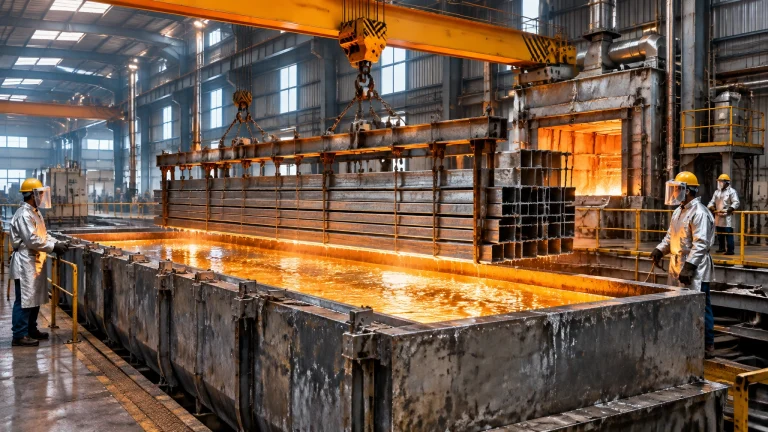
Furthermore, our expertise extends to the hot dip galvanizing plant sector. Corrosion protection remains a critical requirement for construction and infrastructure projects globally. By utilizing advanced coating technologies, our plants achieve a uniform zinc layer, significantly reducing material waste and improving the lifespan of the treated components.

Lifecycle Management: Maintenance and Spare Parts
The longevity of heat treatment furnaces is not merely a product of initial build quality but a result of rigorous lifecycle management. As a leading industrial furnace manufacturer, we emphasize that the "Cost of Ownership" is heavily influenced by the availability of high-quality furnace spare parts.
Maintenance Roadmap for Facility Managers
- Phase 1: Thermal Audit (Quarterly): Utilize thermographic imaging to identify heat leaks and insulation degradation.
- Phase 2: Combustion Optimization (Bi-Annually): Calibrate burners to ensure the optimal air-fuel ratio, preventing fuel waste.
- Phase 3: Digital Calibration (Continuous): Verify that all IIoT sensors are providing accurate data to the centralized control deck.

Sustainability and the Circular Economy
The shift toward a circular economy has positioned the metal recycling furnace as a cornerstone of modern metallurgy. Efficiently processing scrap metal requires specialized systems capable of handling varying contaminant levels while maintaining high yield. Continental Furnaces remains at the forefront of this movement, partnering with organizations like MRAI to promote sustainable metal processing solutions.

Our recycling projects are designed to maximize the recovery of valuable alloys, ensuring that secondary metal production is both profitable and environmentally responsible. By integrating energy recovery systems, we capture waste heat and repurpose it within the facility, further closing the energy loop.
Conclusion: Securing Your Strategic Advantage
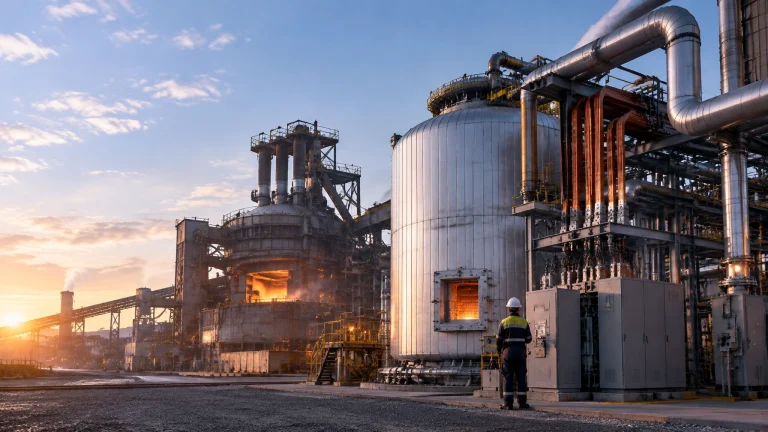
The industrial landscape of 2026 demands more than just hardware; it requires a partnership built on technical wisdom and professional reliability. Upgrading your facility with state-of-the-art industrial furnace systems is an investment in the future-proofing of your operations.
Continental Furnaces invites you to move beyond traditional boundaries. Whether you are looking to optimize an existing steel rolling mill or establish a new hot dip galvanizing plant, our team of experts is ready to provide a customized roadmap to efficiency and profitability.
Contact our technical consultancy team today to schedule a comprehensive thermal processing audit and begin your journey toward a higher standard of industrial excellence.