The industrial landscape of 2026 has reached a definitive tipping point. The convergence of aggressive decarbonization mandates, the maturation of Industry 4.0, and a global shift toward the circular economy has transformed steel manufacturing from a traditional heavy industry into a high-tech, data-driven sector. For B2B leaders: spanning from automotive and aerospace to the wire and cable industry: staying competitive now requires more than just high output; it demands a radical commitment to energy efficiency and technological agility.
As a premier industrial furnace manufacturer with over 35 years of engineering excellence, Continental Furnaces has observed a fundamental shift in how global enterprises approach thermal processing equipment. Today, the "Continental Furnaces Industrial Insights (Morning Edition)" explores the pivotal trends and technical benchmarks that are defining the modern steel mill.
The 2026 Paradigm: Green Steel and Electrification
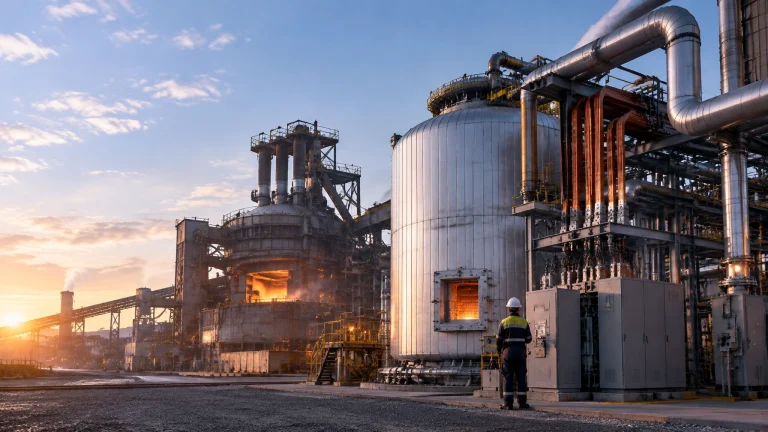
The most significant structural trend in 2026 is the transition from coal-based blast furnaces to electrified, low-carbon production routes. This shift is no longer a pilot-phase experiment; it is a commercial necessity driven by a "green premium" in the automotive and appliance sectors.
- The Rise of the Electric Arc Furnace (EAF): Global EAF capacity is currently expanding three times faster than traditional blast furnace investments. Modern industrial furnace systems built on EAF technology offer a quantum leap in flexibility, capable of processing up to 100% scrap steel.
- Hydrogen-Based Direct Reduction (DRI): In 2026, hydrogen-based DRI combined with electric steelmaking has become a central pillar of the steel transition. By using hydrogen instead of coal as a reducing agent, plants are achieving carbon reductions of over 90% compared to legacy methods.
- Decarbonization Retrofits: For existing facilities, technologies like the electric-assisted syngas smelting furnace (EASyMelt) allow for the retrofitting of "brownfield" assets, replacing coke with plasma-heated syngas to achieve a 50% reduction in CO2 emissions without full plant replacement.
High-Performance Thermal Processing Solutions
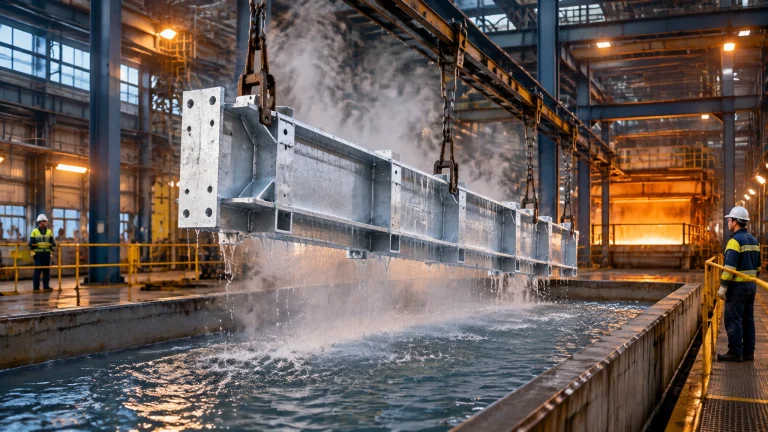
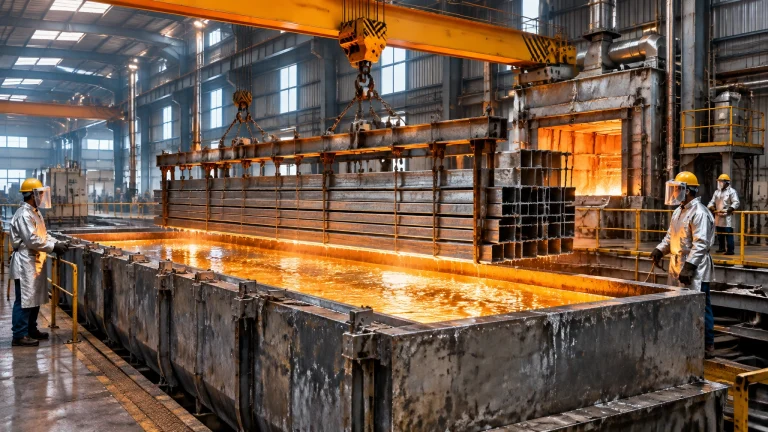
Efficiency in 2026 is measured by the precision of heat application and the minimization of waste. Whether your facility operates a steel rolling mill or a dedicated hot dip galvanizing plant, the focus has shifted toward granular control and energy recovery.
Heat Treatment and Melting Excellence
Precision-engineered heat treatment furnaces are now equipped with integrated automation that manages metallurgical properties with unprecedented accuracy. For non-ferrous operations, the modern aluminum melting furnace utilizes high-efficiency burners and advanced refractory materials to reduce fuel consumption by up to 22% compared to 2020 benchmarks.

Furthermore, the metal recycling furnace has become a cornerstone of the circular economy. These systems are optimized to handle diverse scrap grades while maintaining high yield and purity, proving that sustainability and profitability are no longer mutually exclusive.
Data-Driven Benchmarks: Traditional vs. Modern Systems
To validate the ROI of upgrading your thermal processing infrastructure, industrial leaders must look at the empirical data. The following table contrasts legacy furnace technology with the current 2026 standards provided by a leading industrial furnace manufacturer.
| Performance Metric | Legacy Systems (Pre-2020) | Modern 2026 Systems (Continental Furnaces) | Competitive Advantage |
|---|---|---|---|
| Energy Consumption | 100% (Baseline) | 78% – 85% | 15-22% Lower Costs |
| Carbon Intensity | 1.85 tons CO2/ton steel | <0.4 tons CO2/ton steel (EAF) | Regulatory Compliance |
| Scrap Flexibility | 15% – 25% Max | Up to 100% | Circular Economy Ready |
| Control Accuracy | +/- 10°C | +/- 2°C | Superior Metallurgy |
| Startup Time | 12 – 24 Hours | <4 Hours (Optimized) | Agile Production |
The 2026 Strategic Roadmap for Furnace Integration
For facilities looking to maintain a sustained competitive advantage, the path forward involves a phased approach to technology adoption. We recommend the following three-phase roadmap:
Phase 1: Assessment and Digital Twin Integration
Before hardware upgrades, utilize Industry 4.0 tools to create a digital twin of your existing melting furnace for steel. By implementing real-time monitoring and AI-driven operational intelligence, plants can identify hidden energy leaks and optimize charge material sequences.
Phase 2: Hardware Upgrading and Energy Recovery
Install high-efficiency furnace spare parts such as recuperative burners and advanced ceramic fiber linings. In a steel rolling mill environment, capturing waste heat for pre-heating scrap or generating process steam can improve overall plant efficiency by 12%.

Phase 3: Hydrogen and Fuel-Flexibility
Transition toward burners capable of handling hydrogen blends. This "hydrogen-ready" status ensures that your investment remains future-proof as the global hydrogen economy scales toward 2030.
Maintenance and Lifecycle Management
The reliability of a steel rolling mill or a hot dip galvanizing plant is only as good as its weakest component. In 2026, the focus has shifted from reactive maintenance to predictive health monitoring.
- Strategic Spare Parts Inventory: Maintaining a robust supply of critical furnace spare parts: including sensors, specialized valves, and high-temperature alloys: is essential to minimizing downtime.
- ISO-Certified Quality: Ensuring all components meet rigorous ISO standards is a non-negotiable requirement for Tier 1 suppliers in the automotive and defense sectors. Continental Furnaces remains committed to these global benchmarks, ensuring that every project delivers long-term durability.

Conclusion: Partnering for a Sustainable Future
The steel manufacturing trends of 2026 present both a challenge and an unprecedented opportunity. The transition to green steel, the adoption of AI-driven industrial furnace systems, and the shift toward circular material flows are no longer optional: they are the essential building blocks of the modern industrial enterprise.
Continental Furnaces offers more than just equipment; we provide an enduring partnership designed to navigate these complexities. From custom-engineered heat treatment furnaces to massive melting furnace for steel projects and recycling initiatives, our 35+ years of expertise ensure your facility achieves peak performance, maximum yield, and total regulatory compliance.
Ready to optimize your thermal processing operations for the 2026 landscape?
Contact the experts at Continental Furnaces today for a comprehensive audit of your furnace systems. Let us help you engineer a solution that turns energy efficiency into your greatest competitive asset.