Maintenance Is Now a Production Strategy
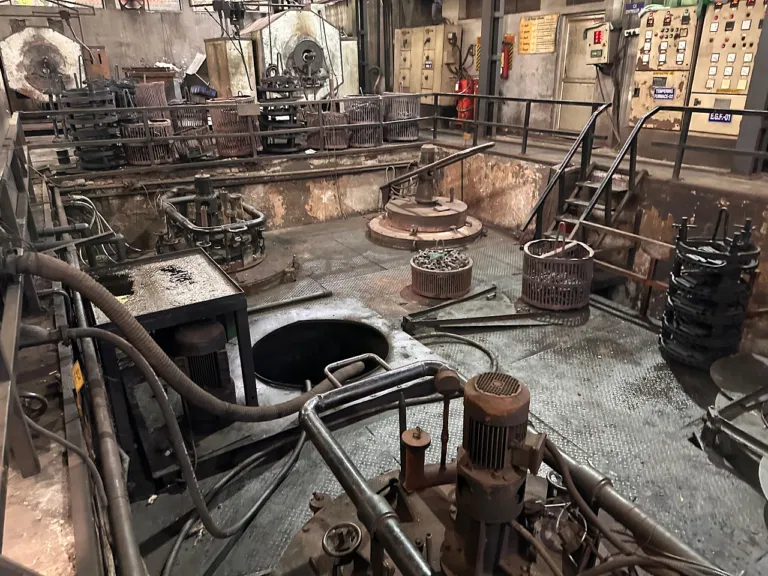
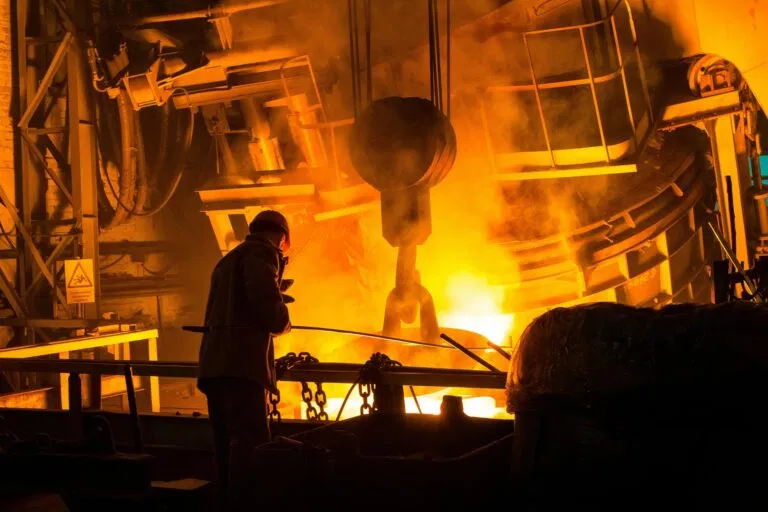
For plant managers and operations directors, furnace maintenance can no longer be treated as a background engineering activity. In 2026, maintenance directly determines throughput, yield, energy intensity, safety, and regulatory compliance.
A furnace that is technically operational but consuming excessive fuel, producing unstable temperatures, or generating recurring alarms is already reducing profitability. The modern approach is to manage each furnace as a production-critical asset with measurable performance indicators.
This principle applies across:
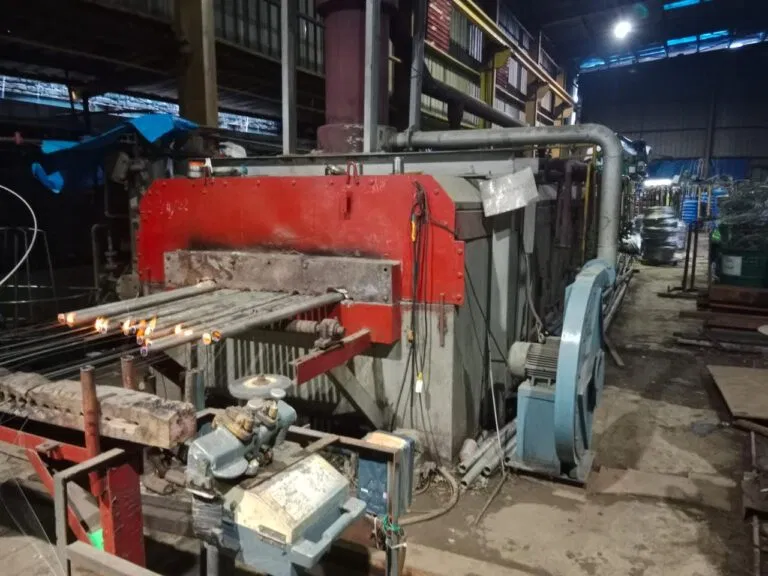
- A steel rolling mill reheating billets at 1,200–1,250°C
- Continuous heat treatment furnaces processing automotive, aerospace, and engineering components
- An aluminum melting furnace operating from 300 kg to 30 tons capacity
- A hot dip galvanizing plant managing coating quality and zinc-bath stability
- A metal recycling furnace processing variable scrap streams
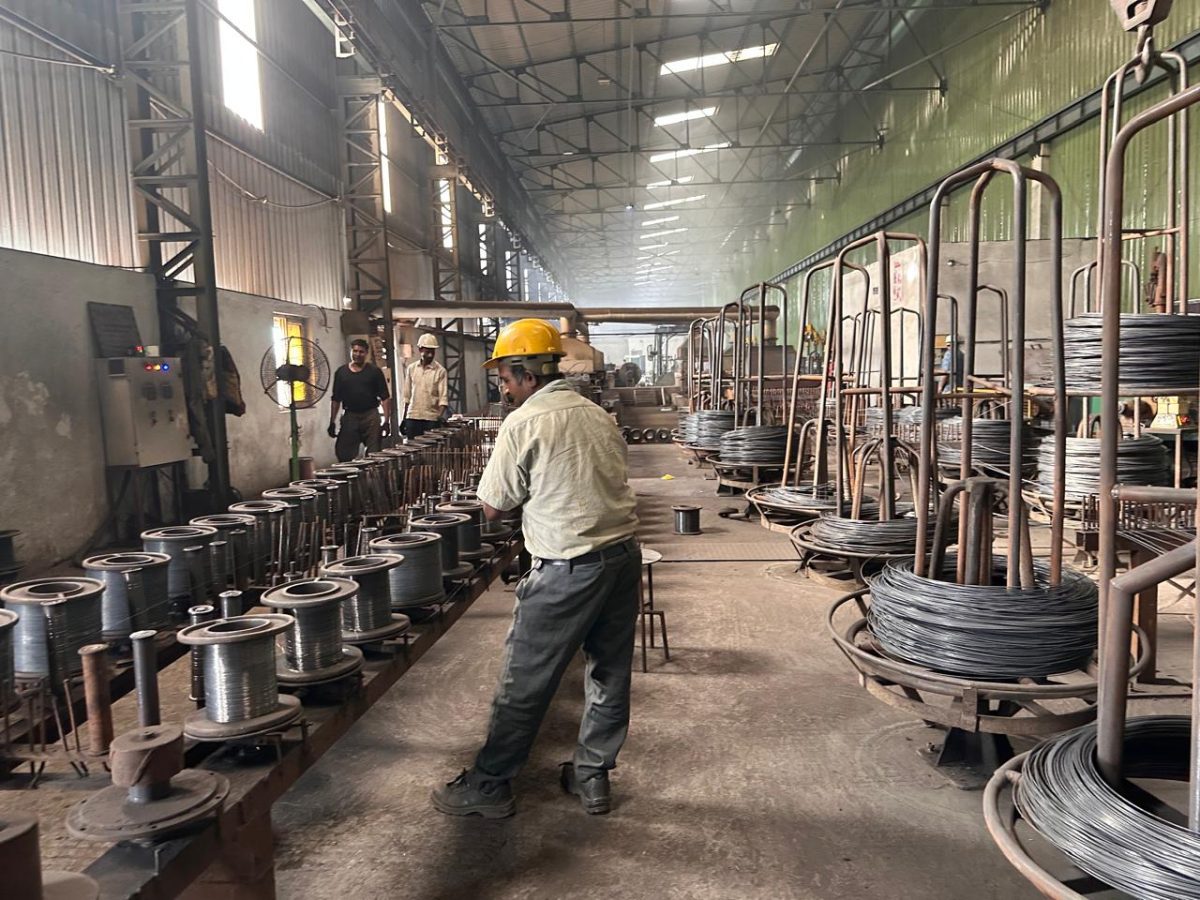
- Thermal lines serving the Wire and cable industry, where atmosphere control and annealing consistency are essential
The strategic question is no longer, “When should we service the furnace?” It is, “What condition is the furnace in, what is it costing us, and what intervention protects the next production campaign?”
The Four Failure Pathways That Demand Attention
Most costly furnace failures develop gradually. A disciplined maintenance program identifies the early indicators before they become production interruptions.
1. Combustion and Energy-Transfer Degradation
Burner fouling, incorrect air-fuel ratios, blocked recuperators, and unstable draft conditions gradually increase specific energy consumption. In a reheating furnace, this can also create hot spots, excessive scale formation, and uneven billet discharge temperatures.
Maintenance teams should trend:
- Fuel consumption per tonne
- Combustion-air pressure and flow
- Furnace pressure and flue-gas temperature
- Oxygen levels in the exhaust
- Burner flame stability
- Recuperator pressure drop
- Temperature deviation between zones
A practical trigger is a 5% deviation from the established energy baseline, provided production rate, steel grade, charge temperature, and ambient conditions remain comparable. The exact alarm limit must be validated for the individual furnace.
2. Refractory and Insulation Deterioration
Refractory degradation increases shell temperatures, heat loss, and the risk of unplanned shutdowns. Cracking, spalling, anchor failure, and damaged door seals are not cosmetic defects; they are evidence of declining thermal containment.
A robust inspection program combines:
- Infrared thermography during operation
- Visual inspection during planned shutdowns
- Shell-temperature trending
- Refractory thickness measurements
- Thermocouple and embedded sensor data
- Review of hot spots against previous inspection records
The objective is to replace or repair refractory sections during a controlled outage rather than after a breakout or emergency shutdown.
3. Mechanical Handling Failure
In continuous furnaces, mechanical systems often determine the real availability of the entire line. Pusher rams, walking beams, rollers, skids, chains, drives, and lifting mechanisms must operate reliably under heat, scale, vibration, and repeated thermal cycling.
For a steel rolling mill, maintenance teams should monitor:
- Drive-motor current
- Gearbox vibration and temperature
- Hydraulic pressure and leakage
- Pusher or walking-beam cycle time
- Roller alignment
- Water-cooled skid-pipe flow and temperature
- Abnormal noise during billet transfer
A small increase in cycle time can become a production bottleneck long before a component stops completely.
4. Instrumentation and Control Drift
A furnace cannot be more reliable than its measurements. Ageing thermocouples, damaged cables, dirty optical sensors, slow control valves, and poorly calibrated pressure transmitters create false confidence.
The 2026 maintenance standard requires a clear calibration and verification schedule for:
- Thermocouples and temperature sensors
- Gas-flow meters
- Pressure transmitters
- Oxygen probes
- Flame scanners
- Load cells
- Safety interlocks
- PLC input/output modules
Control-system alarms should be reviewed by failure mode, frequency, duration, and production impact. Repeated nuisance alarms usually indicate an unresolved instrumentation or process problem.
2026 Technology Updates: From Monitoring to Prediction
The most important development in modern industrial furnace systems is the integration of process data, maintenance data, and production data into one decision framework.
Digital Twins and Edge Analytics
A digital twin does not need to begin as a complete virtual replica of an entire plant. A high-value implementation can start with one critical furnace and model:
- Thermal zones
- Fuel or electrical input
- Product throughput
- Furnace pressure
- Flue-gas temperature
- Burner status
- Vibration
- Refractory condition
- Alarm history
- Maintenance work orders
The twin then compares actual behavior with expected behavior. For example, rising fuel consumption at constant throughput may indicate air leakage, refractory deterioration, burner fouling, or recuperator restriction.
Predictive Maintenance with the Right Data
The U.S. National Institute of Standards and Technology (NIST) emphasizes that manufacturers should select the minimum useful data set needed to support a specific maintenance decision. More sensors do not automatically create better maintenance.
For furnace applications, the priority is decision-quality data:
- Operator decision: Is the furnace safe to continue operating?
- Maintenance decision: Which component requires intervention?
- Production decision: Can the next campaign proceed without risk?
- Management decision: Is the asset meeting its energy and availability targets?
For connected systems, OPC UA Energy Consumption Management provides a standards-based approach for presenting energy measurements and related information to MES, maintenance systems, dashboards, and analytics platforms.
Energy Management as a Reliability Indicator
Energy performance belongs in the maintenance dashboard. A furnace that consumes more energy for the same output is often showing early degradation.
Recommended energy performance indicators include:
- MJ per tonne of billet
- kWh per batch
- Fuel per tonne of aluminium melted
- kWh per tonne of recycled metal
- Energy per galvanizing line hour
- Heat-up time
- Soaking time
- Temperature uniformity
- Standby consumption
An ISO 50001-aligned energy management structure, supported by the U.S. Department of Energy’s 50001 Ready program, helps plants establish baselines, identify significant energy uses, and track corrective action.
Traditional Maintenance vs. 2026 Reliability Management
| Performance area | Traditional approach | 2026 reliability-led approach |
|---|---|---|
| Maintenance trigger | Calendar interval or breakdown | Condition, risk, and predicted remaining life |
| Furnace data | Manual readings and isolated PLC data | Connected sensors, historians, dashboards, and analytics |
| Energy control | Monthly fuel review | Continuous tracking of energy per tonne or batch |
| Refractory strategy | Repair after visible damage | Thermal imaging, trend analysis, and planned replacement |
| Spare-parts planning | Emergency procurement | Criticality-based inventory and approved alternatives |
| Control systems | Local operation | PLC/SCADA integration with remote diagnostics |
| Business outcome | Variable uptime and reactive cost | Higher availability, stable yield, and controlled lifecycle cost |
These improvements are not theoretical upgrades. They change how capital is allocated, how shutdowns are scheduled, and how maintenance teams demonstrate their contribution to profitability.
Application Priorities Across Furnace Operations
Steel Reheating and Rolling
A billet reheating furnace typically operates across approximately 700–1,320°C, depending on furnace design and product requirements. Its objective is not simply to heat billets but to deliver the required discharge temperature with uniformity and minimum scale formation.
Maintenance priorities include:
- Burner balance across preheating, heating, and soaking zones
- Skid-pipe cooling performance
- Walking-beam or pusher reliability
- Furnace-door sealing
- Recuperator cleanliness
- Billet temperature uniformity within the specified process tolerance
Continental Furnaces’ billet reheating solutions are designed for capacities of approximately 10–120 tonnes per hour, allowing configuration around rolling speed, billet dimensions, steel grade, and future expansion.
Aluminium Melting and Holding
In an aluminium operation, the maintenance objective extends beyond uptime. Oxidation, dross formation, metal loss, and temperature instability directly affect yield.
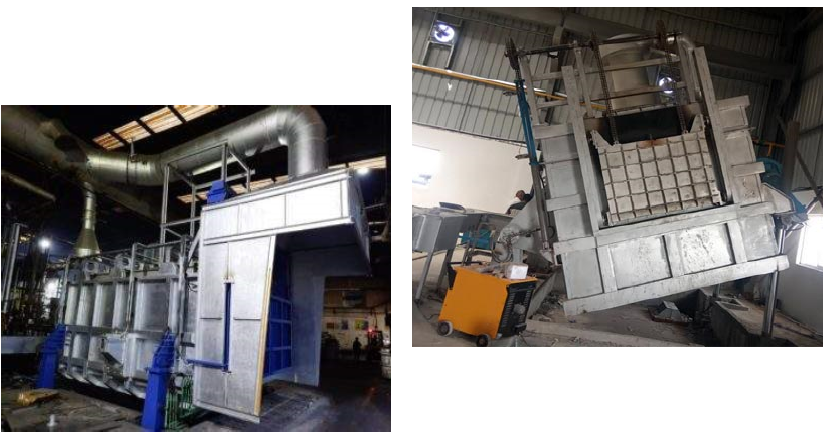
The Continental aluminium melting and holding furnace uses a melting chamber with burner technology and an electrically heated holding chamber. The published design range includes 300 kg to 30 tons, with fuel consumption of approximately 75–90 litres per tonne of furnace oil, depending on operating conditions and configuration.
Maintenance teams should focus on:
- Burner and combustion-air condition
- Refractory and lining integrity
- Holding-furnace heater life
- Door and charging-system sealing
- Melt-temperature stability
- Dross and oxidation trends
Galvanizing and Wire Processing
In a hot dip galvanizing plant, maintenance affects both equipment availability and coating consistency. The integrated process may include surface preparation, pickling, fluxing, drying, zinc-bath management, fume extraction, and material handling.
Key reliability checks include:
- Kettle heating and temperature uniformity
- Rollers and guides
- Fume-extraction performance
- Line-speed synchronization
- Bath-level and temperature instrumentation
- Pickling and fluxing controls
- Safety interlocks and emergency systems
For the Wire and cable industry, continuous annealing and protective-atmosphere systems require additional attention to sealing, gas flow, muffle condition, tension control, and temperature uniformity.
Furnace Spare Parts: Availability Is Part of the Maintenance Plan
Predictive analytics are valuable only when the required intervention can be completed on schedule. Strategic furnace spare parts are therefore a production-control measure.
Critical spares should be classified by:
- Consequence of failure
- Replacement lead time
- Failure frequency
- Storage conditions
- Compatibility with the installed furnace
- Required commissioning and calibration
- Supplier response capability
Typical critical components include:
- Heating elements
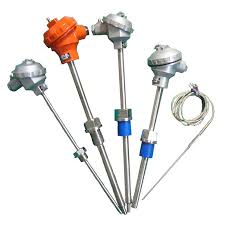
- Thermocouples
- Burner assemblies and nozzles
- Control valves
- Refractory materials
- Fans and motors
- Radiant tubes
- Seals and gaskets
- Hydraulic components
- PLC and instrumentation modules
For plants seeking aluminium melting furnace spare parts, the correct specification must account for furnace model, alloy, operating temperature, fuel, chamber design, and component metallurgy. A low-cost substitute with incorrect tolerances or thermal resistance can create a much larger lifecycle cost.
A Practical 2026 Implementation Roadmap
Phase 1: Establish the Baseline
Record at least three to twelve months of:
- Throughput
- Fuel or electricity consumption
- Temperature profiles
- Downtime
- Alarm history
- Product rejections
- Refractory repairs
- Spare-parts consumption
Phase 2: Identify Critical Assets
Rank burners, fans, drives, refractory zones, sensors, cooling circuits, and handling mechanisms according to safety, production, quality, and financial risk.
Phase 3: Connect the Data
Integrate meters, PLCs, SCADA, CMMS, and production systems. Specify open, secure communication architecture for new projects and brownfield upgrades.
Phase 4: Create Condition-Based Workflows
Set alert thresholds, define response ownership, and convert abnormal trends into planned work orders. A dashboard without a maintenance workflow is only visualization.
Phase 5: Validate the Business Case
Track:
- Unplanned downtime reduction
- Mean time between failures
- Mean time to repair
- Energy per tonne
- Yield improvement
- Refractory life
- Spare-parts usage
- Maintenance cost per operating hour
Build the Next Stage of Furnace Reliability
The industrial furnace is now a connected production asset, not an isolated heating machine. Digitalization, predictive maintenance, energy management, and genuine component support create a quantum leap in process reliability when engineered as one system.
Continental Furnaces brings more than 35 years of thermal-processing expertise to heat treatment, melting, recycling, galvanizing, pickling, rolling-mill, and wire-processing applications. The enduring partnership begins with understanding your furnace, your production targets, and your cost of downtime.
Move from reactive maintenance to sustained competitive advantage. Contact Continental Furnaces to arrange a technical review of your furnace operation, modernization priorities, and 2026 reliability roadmap.