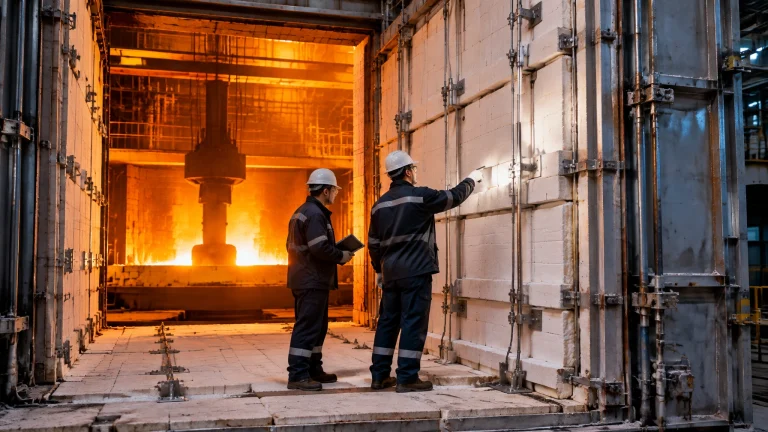
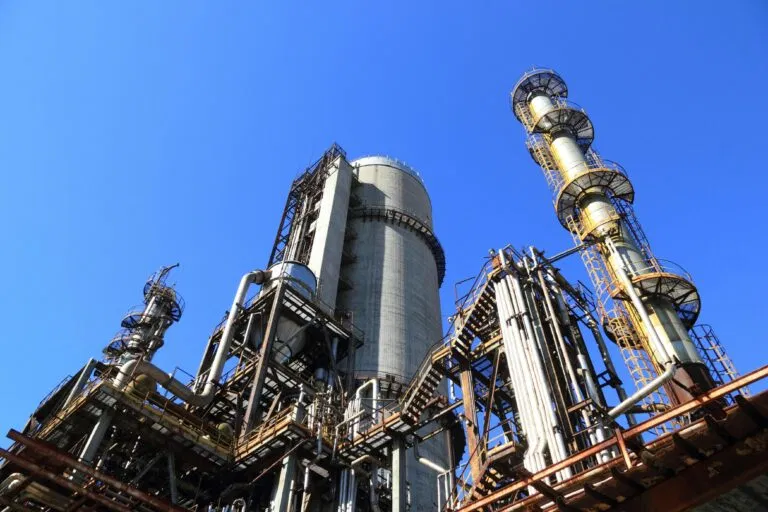
As global manufacturing enters a transformative era in 2026, the industrial thermal processing sector stands at the intersection of stringent decarbonization mandates, aggressive energy efficiency targets, and advanced Industry 4.0 automation. For plant directors, metallurgists, and production heads, the operational mandate is clear: traditional, reactive maintenance and legacy heating systems are no longer viable in a market where energy consumption accounts for nearly 28% of total production expenses.
As a leading industrial furnace manufacturer with over 35 years of engineering excellence, Continental Furnaces delivers cutting-edge thermal engineering designed to maximize metallurgical integrity while minimizing lifecycle operating costs. In this afternoon edition of our Industrial Insights series, we examine advanced maintenance strategies, the 2026 technological paradigm shift in thermal processing, and actionable optimization roadmaps for heavy manufacturing, ferrous and non-ferrous rolling mills, and specialized industrial sectors.
1. The 2026 Thermal Processing Landscape: Electrification, Efficiency, and Smart Systems
The industrial furnace market in 2026 is experiencing a structural pivot. While gas-fired units maintain roughly 39–40% of market share due to established high-temperature infrastructure, electric heating technologies and hybrid systems are surging toward 46% adoption, driven by regional net-zero mandates and the imperative to curb carbon emissions.
Furthermore, 58% of new industrial furnace installations now feature advanced real-time monitoring, automated control decks, and predictive diagnostics. Modern industrial furnace systems are evolving from standalone heating chambers into intelligent, data-rich nodes integrated directly with plant SCADA and MES platforms.

Key Performance Drivers in 2026:
- Decarbonization & Hybrid Combustion: Adoption of hydrogen-ready burners, oxy-fuel conversions, and direct electric arc melting.
- Thermal Efficiency Optimization: Integration of regenerative waste-heat recovery units that cut fuel consumption by up to 20% to 35%.
- Condition-Based Maintenance: Transitioning from calendar-based maintenance to algorithmic failure prediction, reducing unexpected downtime by up to 45%.
2. Granular Maintenance Strategies for High-Performance Thermal Equipment
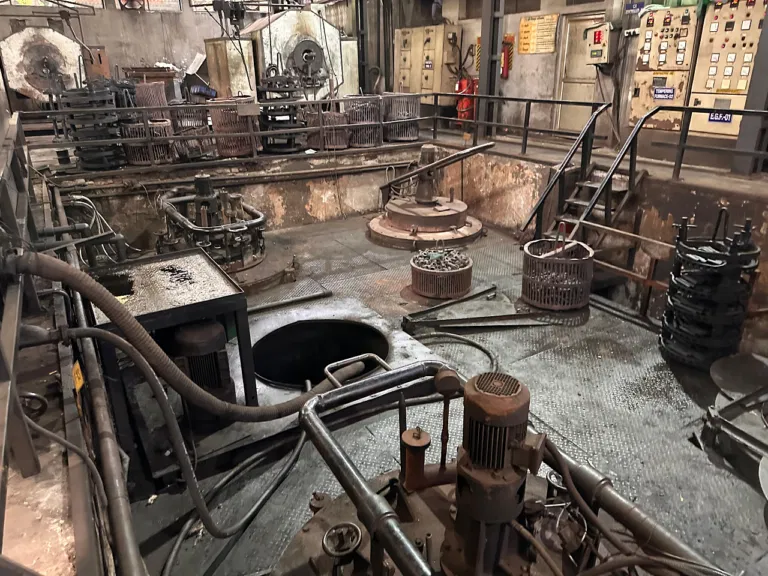
Maintenance in the heavy manufacturing sector is no longer merely a mechanical chore; it is a direct driver of profitability and metallurgical consistency. Unplanned downtime in critical thermal units can cost industrial plants thousands of dollars per hour in lost throughput.
Sector-Specific Maintenance Protocols
A. Rolling Mills & Continuous Operations
In a high-throughput steel rolling mill, thermal consistency directly dictates final bar and wire quality.
- Focus Areas: Roller alignment, drive mechanisms, burner tuning, and multi-zone temperature uniformity.
- Metric: Maintaining a temperature variance of less than ±5°C across continuous heating zones prevents micro-structural defects and premature tooling wear.
B. Wire and Cable Annealing Lines
The wire and cable industry demands ultra-precise bright annealing atmospheres to prevent oxidation.
- Focus Areas: Retort sealing, protective gas distribution panels, oxygen sensors, and vacuum integrity.
- Metric: Zero atmosphere leakage guarantees pristine surface finishes without acid pickling rework.

C. Ferrous & Non-Ferrous Melting Operations
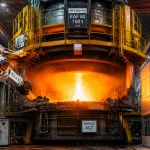
Whether operating a specialized aluminum melting furnace or a high-capacity melting furnace for steel, refractory degradation is the primary vulnerability.
- Focus Areas: Monolithic refractory lining inspection, induction coil cooling integrity, and slag buildup mitigation.
- Metric: Laser profile scanning of furnace linings every 500 operating cycles prevents catastrophic breakthrough incidents.
3. Comparative Technology Matrix: Modern vs. Legacy Thermal Systems
To understand the economic justification for retrofitting or upgrading thermal assets, consider the following empirical comparison between traditional furnaces and modern, digitally optimized Continental Furnaces engineering:
| Performance Parameter | Traditional Legacy Furnaces | Modern Continental Furnaces Systems |
|---|---|---|
| Thermal Efficiency | 55% – 65% fuel utilization | 85% – 92% with regenerative recovery |
| Temperature Uniformity | ±15°C across working zone | ±3°C precision control via advanced PLCs |
| Maintenance Paradigm | Time-based / Reactive (Fixed intervals) | Predictive / Condition-based via IoT analytics |
| Energy Intensity (kWh/tonne) | High baseline, frequent waste | Optimized reduction of 18% to 30% |
| Emissions & Compliance | High NOx / CO2 output | Hydrogen-ready / Low-NOx burners |
4. Comprehensive Equipment Portfolio & Precision Spares
Maintaining peak operational uptime requires immediate availability of high-grade engineering components and robust processing infrastructure. Continental Furnaces supports global heavy industries with an extensive product ecosystem:
- Heat Treatment Furnaces: Precision-engineered box, pit, bell, bogie hearth, and gas carburizing units designed for optimal metal hardness and tensile strength.
- Melting & Recycling Projects: Advanced metal recycling furnace units and skelner furnaces designed for maximum recovery rates in ferrous and non-ferrous foundries.
- Surface Protection Systems: State-of-the-art hot dip galvanizing plant setups and advanced pickling plants ensuring superior corrosion resistance.
- Reliable Upkeep: Premium furnace spare parts and heating accessories engineered for extreme thermal endurance and rapid replacement with minimal tooling requirements.

5. Strategic Roadmap: Implementing Predictive Thermal Maintenance
To capture the full economic benefits of modern thermal processing equipment, plant engineering teams should adopt a structured, four-phase implementation roadmap:
Phase 1: Comprehensive Asset Audit & Telemetry Retrofit
- Install high-resolution thermocouples, power draw monitors, and flow sensors across all heat treatment furnaces and melting units.
- Establish baseline KPIs for energy consumption per metric ton ($\text{kWh/tonne}$ or $\text{GJ/tonne}$).
Phase 2: CMMS Integration & Data Modeling
- Link SCADA telemetry data directly into your Computerized Maintenance Management System (CMMS).
- Establish automated alert thresholds for abnormal temperature spikes, excessive burner modulation, or refractory heat-loss signatures.
Phase 3: Proactive Component Intervention
- Replace aging insulation packages with high-density ceramic fiber modules before thermal bridging occurs.
- Inspect and service burners, valves, and furnace spare parts during scheduled bi-annual maintenance windows rather than waiting for failure.
Phase 4: Lifecycle Review & Technology Retrofit
- Evaluate whether aging assets should undergo a thermal retrofit (new burners, advanced control panels) or be replaced with next-generation electric or hybrid units.

Conclusion: Securing Competitive Advantage Through Expert Partnership
In today's fast-paced industrial environment, thermal processing equipment is the beating heart of manufacturing profitability. Whether you are optimizing a high-speed rolling mill, upgrading your metal recycling capabilities, or transitioning to low-emission heating, partnering with an experienced OEM makes all the difference.
With over three decades of engineering mastery, ISO-certified quality standards, and unwavering dedication to customer success, Continental Furnaces stands ready to elevate your industrial operations.
Take the next step toward sustained manufacturing excellence. Contact Continental Furnaces today to schedule a comprehensive thermal audit and discover how our custom-engineered furnace systems can transform your production yield and energy efficiency.