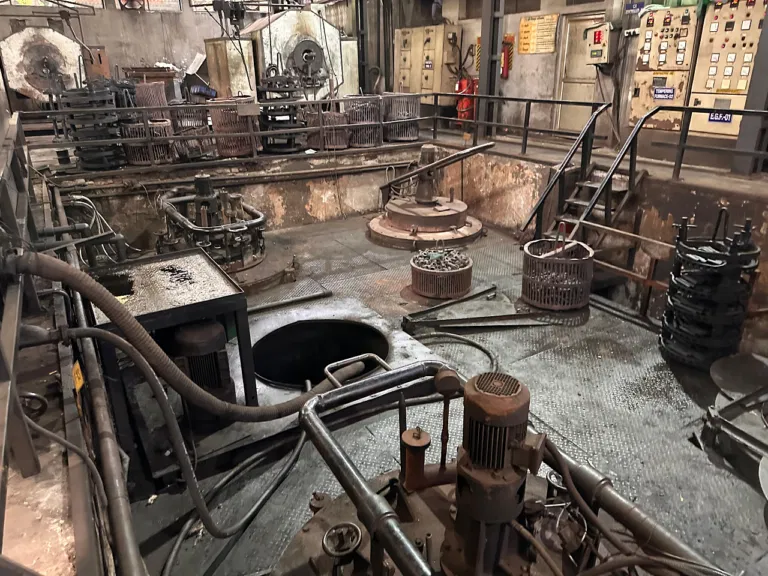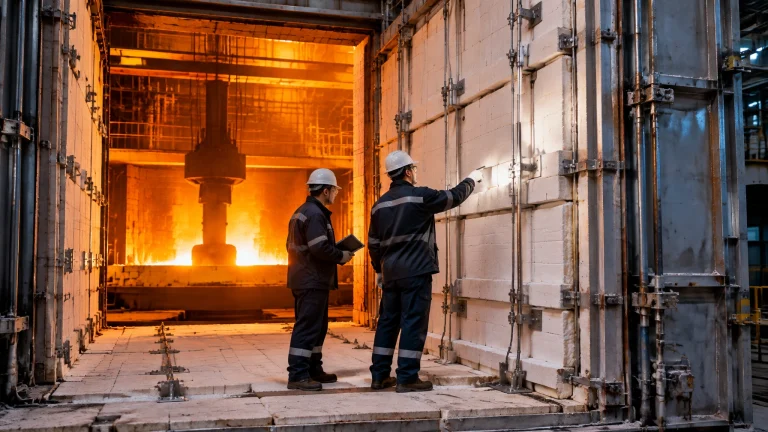
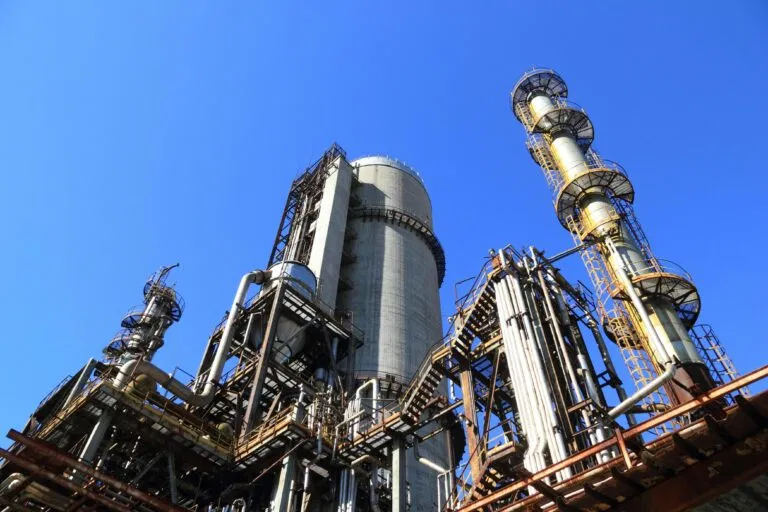
As global manufacturing enters a transformative era, industrial operations face mounting pressures to elevate thermal efficiency, reduce carbon footprints, and eliminate unplanned downtime. At Continental Furnaces, our three decades of engineering leadership have proven that the future belongs to facilities that embrace high-precision thermal processing equipment integrated with predictive intelligence. This afternoon edition of our Industrial Insights examines the critical technological shifts, maintenance frameworks, and engineering breakthroughs defining the industrial furnace sector.
Whether you operate a high-volume steel rolling mill, manage a state-of-the-art hot dip galvanizing plant, or oversee metal recovery in a specialized metal recycling furnace, staying ahead of 2026 technological benchmarks is no longer optional: it is a core requirement for sustained market leadership.
The 2026 Technological Landscape: Precision and Electrification
The industrial furnace sector is undergoing a profound paradigm shift driven by stringent emissions regulations, rising energy costs, and the rapid adoption of Industry 4.0 frameworks. Modern industrial furnace manufacturer standards now demand systems capable of exceeding 92% thermal efficiency while maintaining tight metallurgical tolerances.

Key Market Drivers for 2026
- Advanced Heat Treatment Domination: Heat treatment furnaces account for approximately 34% of total market demand, propelled by rigorous metallurgical requirements in automotive, aerospace, and heavy engineering.
- Hybrid and Electric Integration: With the European Green Deal and evolving global emission standards enforcing low-emission zones, electric and hybrid heating technologies now represent over 46% of new installations, delivering rapid heating cycles with zero direct combustion emissions.
- Continuous vs. Batch Processing: High-throughput facilities increasingly favor continuous systems over traditional batch units, achieving up to 28% reduction in specific energy consumption per ton of processed metal.
Comparative Technology Matrix: Modern Systems vs. Legacy Infrastructure
To quantify the operational advantages of upgrading legacy thermal assets, plant directors must evaluate performance metrics across energy consumption, maintenance overhead, and metallurgical yield. The comparative matrix below outlines the empirical differences between traditional furnaces and modern industrial furnace systems.
| Performance Metric | Traditional Legacy Furnaces | Modern Continental Furnaces Systems | Operational & Financial Advantage |
|---|---|---|---|
| Thermal Efficiency | 65% – 72% | 88% – 94% | 22% lower fuel/power consumption |
| Temperature Uniformity | ± 15°C across chamber | ± 3°C with advanced CFD modeling | Eliminates metallurgical defects and scrap |
| Maintenance Paradigm | Reactive (breakdown repair) | AI-driven predictive (IIoT sensor arrays) | Reduces unplanned downtime by 78% |
| Emissions Profile | High NOx / CO2 output | Low-NOx burners / 100% electric options | Full compliance with strict 2026 standards |
| Cycle Times | Baseline standard | Optimized via digital twin simulation | Increases daily facility throughput by 19% |
Sector-Specific Engineering: Optimizing Performance Across Heavy Industries
Every industrial sector demands tailored thermal solutions designed to handle specific metallurgical challenges. Our engineering approach at Continental Furnaces ensures custom-built reliability across diverse applications.

1. Rolling Mills and Ferrous Processing
For rolling mill operations: including continuous casting and cold rolling mills: precise pre-heating and continuous annealing are vital. Implementing an advanced steel rolling mill thermal line ensures uniform grain structures and optimal tensile strength. Furthermore, integrating a specialized melting furnace for steel with scrap pre-heating modules reduces melt cycle times by up to 15 minutes per batch, directly translating to higher daily tonnage.
2. Non-Ferrous Recycling and Aluminum Production
In light weighting and secondary metallurgy, the aluminum melting furnace plays a pivotal role. Modern designs incorporate dual-chamber melting and holding configurations with electromagnetic stirring, minimizing dross formation and achieving metal recovery rates exceeding 98.5%. Coupled with a robust metal recycling furnace, facilities can process complex scrap streams with minimal environmental impact.
3. Wire, Cable, and Surface Treatment
Manufacturers in the wire and cable industry rely heavily on continuous vertical and bell-type annealing lines to achieve superior elongation and ductility. Protecting these assets requires high-grade furnace spare parts: such as nickel-chromium heating elements, high-density ceramic fiber insulation, and precision thermocouple assemblies: to prevent catastrophic line stoppages. Additionally, surface treatment lines anchored by a high-performance hot dip galvanizing plant ensure superior corrosion resistance and zinc-coating adhesion.
Strategic Maintenance Roadmap for 2026 and Beyond
Transitioning from reactive maintenance to an intelligent reliability model is essential for protecting capital investments in heavy machinery. We recommend following a structured, phased roadmap to upgrade your plant's maintenance architecture:

Phase 1: Comprehensive Asset Audit & Thermal Imaging
- Conduct infrared thermography scans on all refractory linings to detect hot spots and insulation degradation.
- Audit existing burner management systems (BMS) and exhaust gas oxygen levels to identify combustion inefficiencies.
Phase 2: IIoT Sensor Retrofitting and Digital Integration
- Install vibration sensors on high-temperature circulation fans and exhaust blowers to catch bearing wear months before failure.
- Connect multi-zone thermocouple arrays to a centralized supervisory control and data acquisition (SCADA) dashboard for real-time thermal mapping.
Phase 3: Predictive Analytics & Inventory Optimization
- Implement machine learning algorithms to monitor energy draw versus output yield, forecasting optimal maintenance windows.
- Maintain a strategic inventory of critical furnace spare parts on-site, ensuring zero supply chain lag for high-wear components like radiant tubes, seals, and roller bearings.
The Enduring Partnership: Engineering Your Sustainable Future
As industries navigate complex regulatory landscapes and aggressive efficiency targets, equipment specification must be viewed as an enduring partnership rather than a one-time transaction. At Continental Furnaces, we combine 35+ years of metallurgical expertise with cutting-edge engineering to deliver bespoke thermal processing solutions that future-proof your manufacturing operations.

Whether you are retrofitting an existing rolling mill, scaling up your recycling capabilities, or investing in next-generation heat treatment technology, our engineering consultants are ready to assist you.
Secure your sustained competitive advantage today. Contact Continental Furnaces to schedule a comprehensive thermal audit and consultation with our senior engineering team.