How Smarter Furnace Design is Transforming Profitability and Productivity in Automotive and Recycling Plants
In the fast-evolving industrial landscape, the industrial aluminum melting furnace has become a cornerstone of both automotive manufacturing and metal recycling. These systems play a critical role in transforming raw or recycled aluminum into high-value components; from engine blocks and cylinder heads to structural and electrical parts.
As global industries prioritize efficiency, sustainability, and cost optimization, the modern melting furnace is no longer just machinery. It’s a strategic investment that defines competitiveness, profitability, and environmental responsibility.
Today’s smart furnaces enable high metal recovery, lower emissions, and reduced energy consumption, making them indispensable for businesses aiming to meet ESG goals without compromising production efficiency.
Automotive Applications: Precision, Performance, and Productivity
The automotive industry’s shift toward lightweighting and sustainability has made aluminum a preferred material for next-generation vehicles. However, the resulting scrap and secondary materials demand efficient remelting systems to maintain cost control and material integrity.
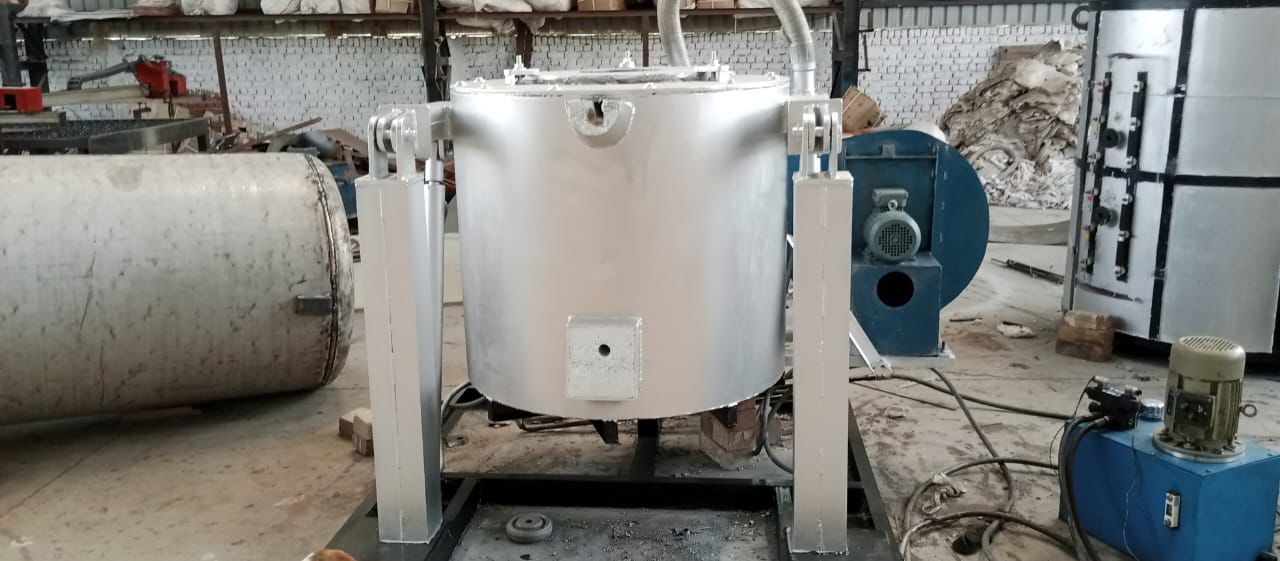
Modern automotive aluminum furnaces, including double-chamber, induction, and tilt rotary systems, deliver high recovery rates and tight metallurgical control, ensuring every melt meets the industry’s exacting standards.
Key Advantages in Automotive Applications
1. Superior Metal Recovery:
Advanced preheating, controlled atmosphere melting, and optimized heat transfer designs have pushed recovery rates to over 99%, minimizing losses and maximizing return on material investment.
2. Industry 4.0 Integration:
Smart sensors and real-time data systems now monitor every stage of the melting process, enhancing traceability and ensuring quality consistency for critical automotive components.
3. Compact, High-Output Systems:
Innovative furnace layouts optimize throughput per square foot; ideal for automotive plants with space or layout constraints.
Recycling Industry: Turning Scrap into Sustainable Value
Recycling aluminum consumes only 5% of the energy required for primary production. This makes efficient furnaces vital to the profitability of recycling plants.
Smart industrial aluminum melting furnaces improve yield by 3–5%, enabling recyclers to recover more saleable metal from the same volume of scrap; a direct boost to margins.
Innovations Powering Modern Recycling
1. Autonomous Operation:
Automated charging, melting, and skimming systems improve safety, reduce labor costs, and enhance process reliability.
2. Real-Time Quality Monitoring:
IoT-enabled sensors track critical parameters, providing predictive alerts and ensuring melt quality meets buyer standards.
3. Emissions & Compliance:
Modern furnaces incorporate emission control systems that meet global standards while improving workplace safety and sustainability performance.
Smarter Furnace Design = Measurable Business Impact
Advanced furnace engineering delivers tangible benefits across all stages of production:
-
Higher Metal Yield: Reduced oxidation losses and uniform heat distribution boost recovery rates up to 99.5%.
-
Lower Operating Costs: Automation, energy-efficient burners, and regenerative heat recovery can cut energy use by 20–30%.
-
Rapid ROI: Many operations recover their investment within 12–24 months through higher productivity and lower costs.
-
Future-Ready Design: Modular layouts, renewable fuel compatibility, and predictive maintenance systems ensure scalability and long-term reliability.
By partnering with the right industrial furnace manufacturer, businesses can turn their melting operations into strategic profit centers; not just production lines.
The Sustainability Advantage
In the age of decarbonization, aluminum melting furnaces are key enablers of a circular economy. They allow automotive and recycling industries to:
-
Meet Scope 3 emission reduction targets
-
Transition toward green energy sources such as hydrogen and electrification
-
Achieve full recyclability with consistent product quality
-
Enhance brand credibility with measurable sustainability metrics
These innovations are not just technical improvements – they represent a shift toward responsible, future-proof manufacturing.
Conclusion: Engineering the Future of Industrial Heating
The future of industrial aluminum melting lies in smart, efficient, and sustainable furnace systems. Companies that adopt next-generation technologies are achieving:
-
Higher profitability through improved metal yields and lower energy use
-
Consistent quality across diverse production conditions
-
Compliance with global sustainability standards
Whether modernizing an existing line or establishing a new facility, partnering with experienced furnace manufacturers like Continental Furnaces ensures superior results, long-term value, and a competitive edge in global markets.
Ready to upgrade your aluminum melting operations?
Let’s discuss how Continental Furnaces’ advanced solutions can deliver measurable improvements in productivity, efficiency, and sustainability. Email us at info@confur.net