In the hyper-competitive landscape of 2026, the industrial manufacturing sector has reached a critical inflection point. For facilities operating a steel rolling mill, an aluminum melting furnace, or a hot dip galvanizing plant, the cost of unplanned downtime has escalated beyond mere labor losses. Today, a single hour of thermal processing inactivity can translate into hundreds of thousands of dollars in lost yield, disrupted supply chains, and compromised metallurgical integrity.
As a leading industrial furnace manufacturer with over 35 years of engineering excellence, Continental Furnaces has witnessed the evolution from reactive "break-fix" mentalities to the sophisticated, data-driven ecosystems of Industry 4.0. Reducing downtime in 2026 is no longer about having a wrench ready; it is about the strategic integration of predictive analytics, high-performance furnace spare parts, and precision-engineered thermal processing equipment.
This guide provides a comprehensive roadmap for plant managers and operations directors to achieve a "zero-unplanned-downtime" status through expert-led interventions and 2026-specific technology updates.
The Economic Imperative: The True Cost of Downtime in 2026
Data from recent industrial audits suggests that unplanned outages in the metal recycling furnace and steel sectors have increased in cost by 22% since 2023, driven by energy price volatility and tighter "just-in-time" delivery requirements.
- Average Hourly Cost: For a high-capacity melting furnace for steel, downtime costs now average $15,000 to $45,000 per hour.
- Yield Loss: Thermal fluctuations during a restart can lead to a 3-5% rejection rate in the first batch of processed material.
- Energy Penalty: Re-heating a cold furnace to operational temperatures (often exceeding 1200°C) consumes 40% more fuel than maintaining steady-state operations.
Phase 1: Implementing AI-Driven Predictive Maintenance
The most significant advancement in 2026 is the shift toward predictive maintenance (PdM). Unlike preventive maintenance, which relies on fixed schedules, PdM uses real-time sensor data to predict failures before they occur.
For industrial furnace systems, this involves monitoring:
- Vibration Analysis: Identifying bearing wear in blower motors and exhaust fans.
- Thermal Imaging: Detecting "hot spots" in refractory linings that indicate insulation breakdown.
- Acoustic Sensors: Picking up high-frequency sounds associated with gas leaks or burner misfires.
By integrating these sensors with a centralized AI dashboard, operators can reduce unplanned stops by up to 50%. Continental Furnaces now offers integrated smart-sensing packages for all new installations, ensuring your facility remains at the cutting edge of thermal processing innovation.

Phase 2: The Bedrock of Reliability: Fundamental Preventive Care
While AI is the future, the physical integrity of your heat treatment furnaces remains the bedrock of uptime. A disciplined approach to the "Physical Fundamentals" prevents the vast majority of mechanical failures.
The 2026 Maintenance Checklist for Thermal Assets
- Refractory Integrity: Conduct bi-weekly visual inspections for cracks or spalling. In 2026, advanced monolithic refractories allow for "hot-patching," reducing the need for full cool-downs.
- Combustion Tuning: Verify air-to-gas ratios every quarter. An imbalanced burner not only increases fuel consumption but also causes uneven heating, which can warp structural components in a steel rolling mill setup.
- Atmosphere Control: For the wire and cable industry, maintaining precise atmospheric chemistry is non-negotiable. Leakages in sealings or gaskets lead to oxidation, requiring immediate intervention to prevent batch loss.
| Feature | Traditional Maintenance (2020) | Advanced Maintenance (2026) |
|---|---|---|
| Strategy | Reactive / Scheduled | Predictive / Condition-based |
| Downtime | High (Unplanned) | Minimal (Strategically Planned) |
| Spare Parts | Just-in-Case Inventory | AI-Optimized Inventory |
| Sensor Data | Manual Readings | Continuous Cloud Monitoring |
| ROI Period | 18 – 24 Months | 6 – 12 Months |
Phase 3: The Digital Twin Revolution
In 2026, the most sophisticated manufacturing plants are no longer flying blind. The deployment of a Digital Twin: a virtual replica of your physical furnace: allows engineers to simulate "what-if" scenarios.
Want to know the impact of increasing the throughput by 15% on your aluminum melting furnace? The Digital Twin calculates the thermal stress on the lining and predicts the exact moment a component will require replacement. This enables Precision Maintenance, where parts are replaced exactly at the end of their functional life, maximizing ROI on every dollar spent on thermal processing equipment.

Phase 4: Optimizing Component Longevity with Premium Spare Parts
One of the most common pitfalls in furnace management is the use of sub-par or generic components. In high-temperature environments, material science is everything.
Using genuine furnace spare parts ensures that alloys are rated for the specific thermal cycles of your industry. For instance, a metal recycling furnace processing scrap aluminum requires crucibles and burners that can withstand corrosive dross and chemical additives.
Strategic Tip: Maintain a "Critical Spares Kit" on-site. This should include:
- High-velocity burners and igniters.
- Thermocouples (Type K, S, or R depending on temperature).
- Proportional control valves and actuators.
- Custom-cut insulation gaskets and door seals.
Investing in high-quality spares reduces the Mean Time To Repair (MTTR) by ensuring that components fit perfectly and perform to OEM specifications immediately upon installation.

Phase 5: Specialized Solutions for Rolling Mills and Wire Production
For those operating in the rolling mill industry, including CCR and CCM mills, the integration between the reheating furnace and the rolling stands is the most common point of failure.
In 2026, we recommend a "Holistic Line Audit." This involves:
- Automation Synchronization: Ensuring the furnace discharge rate perfectly matches the rolling mill's intake capacity to prevent "heat soak" or "cold rolling" errors.
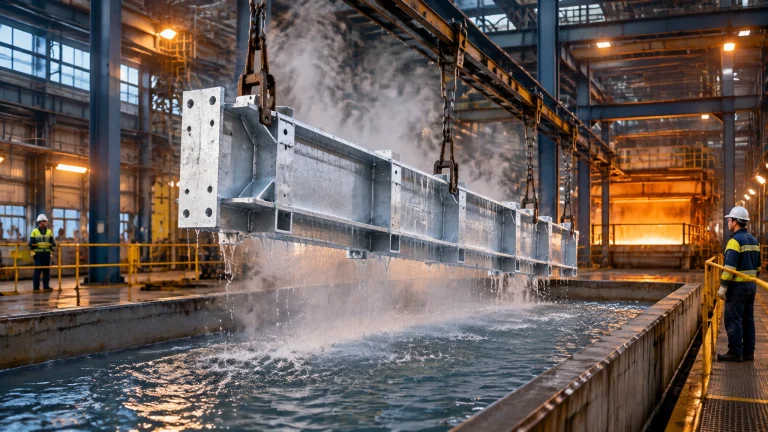
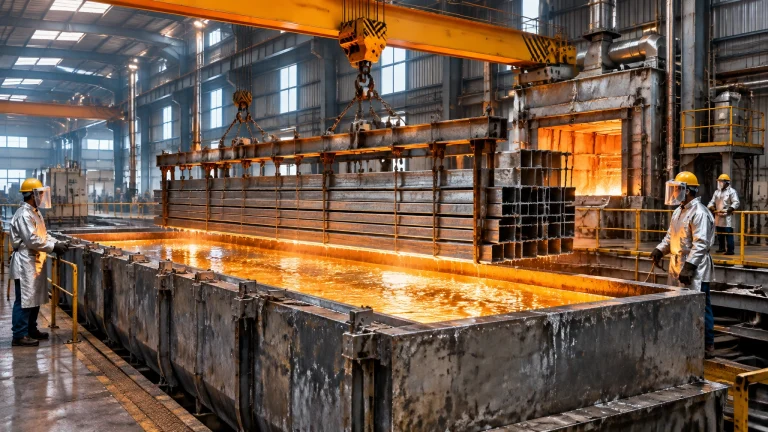
- Advanced Coating Tech: For a hot dip galvanizing plant, upgrading to energy-efficient kettles and automated dross removal systems can extend the lifecycle of the zinc pot by 30%.
- Sustainability Integration: Modernizing old burners to hydrogen-ready or multi-fuel systems not only reduces carbon footprints but also prepares the plant for shifting regulatory landscapes.
The transition to sustainable practices is no longer optional. As discussed in our analysis of aluminum melting furnace applications, energy-efficient furnaces are the primary driver of profitability in the modern circular economy.

Roadmap: A 4-Step Strategy to Zero Unplanned Downtime
To achieve a sustained competitive advantage, your organization should adopt the following chronological phases:
- Assessment and Planning (Month 1): Audit existing industrial furnace systems. Identify critical failure points and instrument them with vibration and temperature sensors.
- Connectivity and Integration (Months 2-3): Connect sensor feeds to a centralized dashboard. Establish baseline "normal" operating parameters.
- Process Optimization (Months 4-6): Use the data to refine combustion cycles and cooling rates. Train staff on the use of predictive alerts.
- Lifecycle Management (Ongoing): Establish a partnership with a trusted industrial furnace manufacturer for continuous technical support and a streamlined supply chain for furnace spare parts.
Conclusion: Securing Your Competitive Advantage
In the industrial world of 2026, downtime is an avoidable liability. By pivoting from traditional reactive maintenance to a sophisticated, predictive model, you secure the high yields and operational efficiency required to lead your industry.
The path to optimized thermal processing begins with expert guidance. Continental Furnaces remains committed to your long-term success, offering the engineering depth and technological prowess necessary to transform your production facility into a model of 21st-century efficiency.
Ready to eliminate unplanned downtime? Contact Continental Furnaces today for a comprehensive audit of your industrial furnace systems and start your journey toward a more profitable, reliable future.