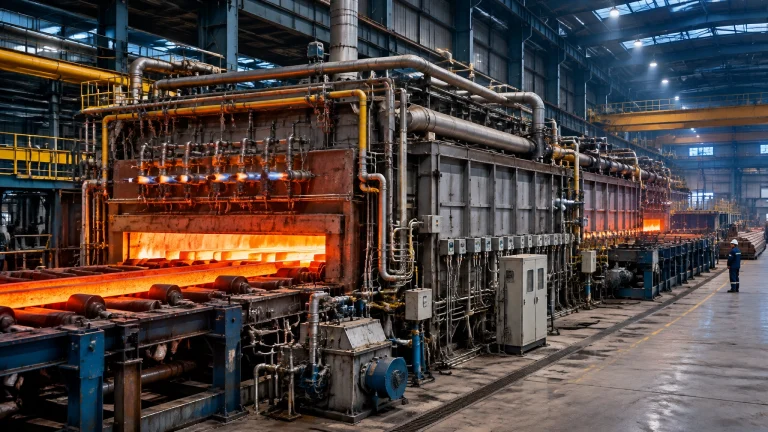
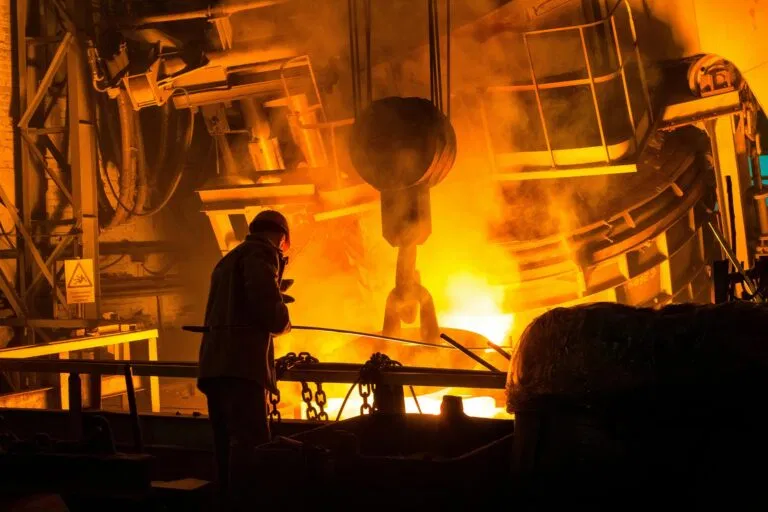
In the high-stakes world of industrial manufacturing, the difference between a profitable quarter and a missed target often hinges on a few percentage points of thermal efficiency. As a leading industrial furnace manufacturer with over 35 years of engineering excellence, Continental Furnaces has observed a consistent pattern: many facilities operate at 60–70% of their theoretical efficiency, unaware of the "silent thieves" draining their fuel budgets and increasing carbon footprints.
Whether you are operating a steel rolling mill, an aluminum melting furnace, or a complex hot dip galvanizing plant, maintaining peak performance is not just about maintenance: it is about strategic engineering. Below, we outline the ten most critical reasons your industrial furnace systems may be underperforming and the technical roadmaps required to rectify them.
1. Thermal Insulation and Refractory Degradation
The most common cause of efficiency loss is the gradual degradation of refractory linings. Over time, thermal cycling causes microscopic cracks and thinning of insulation, leading to excessive shell temperatures and radiant heat loss.
- The Impact: Every 10°C increase in shell temperature can represent a 1–2% increase in fuel consumption.
- The Fix: Conduct a comprehensive thermographic survey. Transitioning to high-density ceramic fiber modules or advanced castables in your heat treatment furnaces can reduce heat storage and ramp-up times by up to 20%.
2. Improper Air-Fuel Ratio Calibration
Combustion efficiency is a delicate balance. Operating with too much excess air cools the flame and carries heat out of the stack, while too little air leads to incomplete combustion and hazardous soot buildup.
- The Technical Benchmark: For gas-fired systems, aiming for 3–5% excess oxygen in the flue gas is often the "sweet spot" for efficiency.
- The Fix: Install automated O2/CO trim control systems. Regular burner tuning by a certified industrial furnace manufacturer ensures that your burners operate within their optimal performance curve.
3. Scale Formation and Oxidization Losses
In a steel rolling mill, scale formation is more than a surface issue: it is a direct loss of yield. High-temperature environments with poor atmosphere control lead to the oxidation of the metal surface.
- The Cost: A 2% scale loss in a high-capacity mill can equate to hundreds of tons of lost product annually.
- The Fix: Optimize furnace atmosphere control. Implementing precision-engineered billet reheating furnaces with zonal control can significantly reduce oxygen levels at the metal surface, preserving material integrity.

4. Inadequate Waste Heat Recovery
Approximately 30–50% of the energy input in a standard furnace escapes through the exhaust stack. Failing to capture this "free" energy is a major oversight in modern thermal processing equipment.
- The Solution: Integrate high-efficiency recuperators or regenerators. Preheating combustion air using exhaust heat can improve overall system efficiency by 15% to 25%, offering an ROI often measured in months, not years.
5. Furnace Pressure Imbalance
If the furnace pressure is too low, cold ambient air is sucked in through doors and seals (cold air ingress). If it is too high, expensive hot gases are forced out (stinging).
- The Metric: Even a small opening can lead to massive energy loss if the pressure differential is not managed.
- The Fix: Deploy automated pressure control dampers. Maintaining a slightly positive pressure at the hearth level ensures that heat stays where it belongs: inside the furnace.
6. Accumulated Dross and Slag in Melting Chambers
In a melting furnace for steel or non-ferrous metals, the accumulation of dross or slag acts as an insulating layer between the heat source and the melt.
- The Efficiency Barrier: Slag buildup can increase the required energy per ton of melt by as much as 10%.
- The Fix: Establish rigorous cleaning cycles and utilize specialized fluxing agents. For high-volume operations, metal recycling furnaces with tilting mechanisms facilitate easier slag removal and better melt purity.
7. Control System Obsolescence
Legacy PID controllers often struggle with "hunting": the constant overshooting and undershooting of setpoints. This cycling wastes energy and stresses the heating elements or burners.
- Industry 4.0 Advantage: Modern PLC-based systems with predictive algorithms can maintain temperatures within ±1°C, ensuring consistent metallurgical results in the wire and cable industry and beyond.
- The Fix: Retrofit older units with digital control suites that offer data logging and remote monitoring capabilities.

8. Poor Loading Patterns and Low Utilization
Operating a furnace half-empty or with poor "nesting" of parts leads to high specific energy consumption (SEC). The furnace shell must be heated regardless of the load size.
- Strategic Planning: Grouping batches by similar thermal profiles reduces the energy wasted during "soak" times.
- The Fix: Use loading software or experienced floor management to ensure every cycle reaches maximum capacity.
9. Use of Sub-standard or Worn Furnace Spare Parts
The integrity of a furnace is only as strong as its weakest component. Worn seals, degraded heating elements, or clogged burner nozzles create "drag" on the entire system's efficiency.
- Risk Mitigation: Non-OEM parts often lack the thermal tolerance required for 24/7 operations, leading to premature failure and increased downtime.
- The Fix: Source high-quality furnace spare parts directly from a trusted manufacturer to ensure compatibility and longevity.
10. Lack of a Data-Driven Preventive Maintenance Roadmap
Efficiency is not a "set and forget" metric. Without regular benchmarking, efficiency slowly drifts as sensors lose calibration and mechanical parts wear down.
- The Roadmap: Transition from reactive "break-fix" maintenance to a predictive model.
- The Fix: Schedule quarterly audits that include burner analysis, refractory inspection, and sensor calibration.
Comparative Analysis: Legacy Systems vs. Continental Furnaces Technology
The following table demonstrates the empirical advantages of upgrading to modern, engineered solutions:
| Feature | Legacy Industrial Furnace | Continental Modern Systems | Efficiency Gain |
|---|---|---|---|
| Insulation | Firebrick / Basic Wool | High-Density Ceramic Fiber | 15-20% |
| Combustion | Manual Damper Control | Automated O2/CO Trim | 5-10% |
| Heat Recovery | None / Basic Stack | High-Efficiency Recuperators | 20-25% |
| Temperature Control | ±10°C Variance | ±1°C Precision (PLC) | 3-5% |
| Maintenance | Reactive / Unscheduled | Predictive / Roadmap-based | 30% Downtime Reduction |
Phase-Based Roadmap to Peak Efficiency
For organizations seeking to reclaim their competitive edge, we recommend a phased approach to system optimization:
Phase 1: Assessment and Benchmarking
- Perform a full thermal audit and flue gas analysis.
- Identify "hot spots" using infrared thermography.
- Establish a baseline Specific Energy Consumption (SEC) per unit of output.
Phase 2: Targeted Retrofits
- Replace worn furnace spare parts and seals.
- Upgrade to high-efficiency burners or modern PLC controls.
- Install waste heat recovery systems where feasible.
Phase 3: Sustained Optimization
- Implement an Industry 4.0 monitoring suite for real-time efficiency tracking.
- Train operators on optimal loading and scheduling practices.
- Commit to a semi-annual professional audit from your industrial furnace manufacturer.

Conclusion: Driving Sustained Competitive Advantage
Efficiency in thermal processing is not merely a technical requirement; it is a strategic mandate. In an era of rising energy costs and stringent environmental regulations, the ability to produce more with less energy is the ultimate differentiator.
At Continental Furnaces, we don't just sell equipment; we build enduring partnerships. Our engineering team is ready to help you diagnose the inefficiencies in your current melting furnace or galvanizing plant and implement the quantum leaps in technology required for the next decade of growth.
Ready to optimize your thermal performance? Contact our engineering consultants today for a comprehensive efficiency audit and take the first step toward a high-yield, low-waste future.