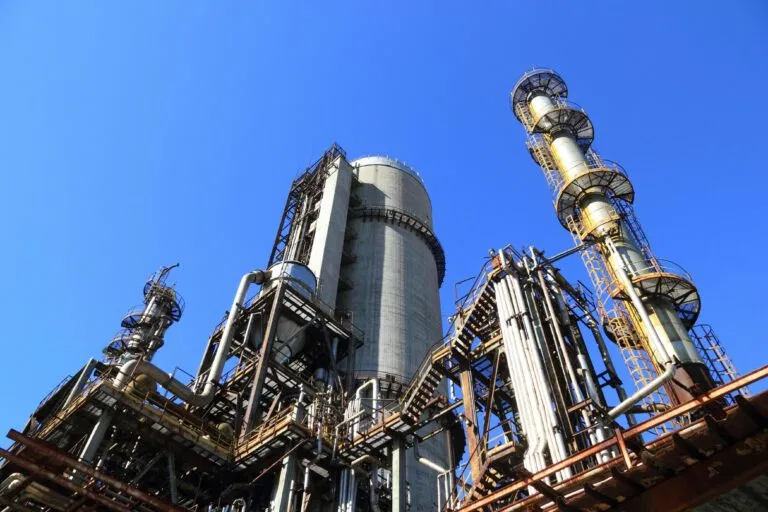
Industrial furnace performance is entering a decisive modernization cycle. In 2026, plant managers are balancing four priorities: thermal efficiency, production uptime, regulatory compliance, and measurable return on capital investment.
For a steel rolling mill, foundry, galvanizing line, recycling facility, or wire and cable industry operation, furnace reliability is no longer controlled by periodic inspection alone. The most competitive plants are combining condition-based maintenance, connected controls, improved insulation, low-carbon combustion, and disciplined spare-parts planning.
This afternoon edition examines the technical strategies that will define high-performance industrial furnace systems through 2026 and beyond.
The 2026 Industrial Furnace Agenda
The next generation of thermal processing equipment will be shaped by five connected developments:
- Electrification and hybrid heating
- Hydrogen-ready and low-NOx combustion
- Digital monitoring and predictive maintenance
- Waste-heat recovery and high-performance insulation
- Integrated control across furnaces, rolling mills, and production systems
Recent industry developments demonstrate the direction of travel. Fives presented hydrogen combustion systems at INFUB 2026, including burner concepts designed for flexible fuel mixes up to 100% hydrogen. At AISTech 2026, discussions focused on automation, non-contact temperature measurement, power control, and interoperability across steelmaking equipment, as reported by Advanced Energy.
These developments are not isolated upgrades. They represent a quantum leap toward integrated, data-driven thermal production.
Maintenance Strategy: From Scheduled Inspection to Condition-Based Uptime
Traditional maintenance schedules rely on fixed intervals. Modern maintenance programmes use operating data to determine when an intervention is actually required.
This transition is essential because furnace failures rarely originate from one major event. They usually develop through small changes:
- Rising fan vibration
- Increasing burner ignition attempts
- Higher fuel consumption per tonne
- Gradual temperature non-uniformity
- Door-seal leakage
- Refractory hot spots
- Unstable furnace pressure
- Increasing cycle or soak times
- Repeated PLC and sensor alarms
When these indicators are connected to a maintenance management platform, the plant can schedule corrective work before a failure interrupts production.
Critical parameters to monitor
A practical condition-monitoring architecture should track:
| Equipment area | Recommended condition indicators | Maintenance value |
|---|---|---|
| Burners and gas trains | Ignition attempts, flame signal, valve response, gas pressure | Detects unstable combustion and safety risks |
| Fans and drives | Vibration, motor current, bearing temperature | Identifies mechanical degradation |
| Refractory and insulation | Shell temperature, thermal images, fuel consumption | Reveals hot spots and heat loss |
| Temperature control | Thermocouple drift, zone deviation, calibration history | Protects metallurgical quality |
| Doors and seals | Leakage, closing force, actuator cycle count | Reduces infiltration and energy waste |
| Control systems | PLC faults, alarm frequency, communication loss | Prevents automation-related stoppages |
For high-temperature steel and metal operations, remote inspection is especially valuable. Non-contact pyrometers and thermal imaging can reduce personnel exposure while identifying refractory deterioration before it develops into a serious breach.
The Furnace Spare Parts Strategy That Protects Production
A maintenance plan is incomplete without a structured inventory of furnace spare parts.
The correct objective is not to store every component. It is to classify parts according to failure probability, replacement lead time, safety importance, and production impact.
Tier 1: Critical emergency spares
These parts can stop the furnace immediately and should be available on-site:
- Flame scanners
- Ignition transformers and electrodes
- Thermocouples and temperature sensors
- Burner control valves
- Safety relays and PLC modules
- VFD components
- Door seals
- Hydraulic and pneumatic actuators
Tier 2: Planned-maintenance components
These should be available through a defined replenishment agreement:
- Burner nozzles
- Refractory modules
- Fan bearings
- Heating elements
- Contactors and fuses
- Conveyor rollers
- Hydraulic seals
- Instrumentation cables
Tier 3: Long-lead or engineered items
These require lifecycle planning:
- Custom refractory assemblies
- Furnace doors
- Recuperator components
- Special heating chambers
- Control panels
- Mechanical handling systems
A reliable industrial furnace manufacturer should support the plant beyond commissioning by documenting part numbers, approved substitutes, recommended stock levels, and replacement procedures. This enduring partnership reduces emergency procurement, shortens downtime, and protects product quality.
2026 Technology Updates for Industrial Furnace Systems
1. Electrification and hybrid heating
Electric heating is gaining importance where power availability, production volume, and process temperature make the business case attractive. Electric radiant heating, induction systems, and hybrid configurations provide precise control and can reduce direct combustion emissions.
The VOLTA hybrid furnace project demonstrates the potential of combining electric melting with oxy-gas combustion. After one year of continuous operation, the project reported 66% lower fossil-fuel consumption and 71% lower Scope 1 and 3 emissions compared with its reference scenario.
For metal-processing plants, the correct approach is application-specific. A hybrid system may be more practical than complete electrification where process continuity, grid capacity, or peak electrical demand creates constraints.
2. Hydrogen-ready combustion
Hydrogen-ready burners are becoming a strategic specification for new combustion equipment and major rebuilds. However, hydrogen conversion involves more than changing the fuel supply.
Engineering studies must address:
- Flame speed and stability
- Gas-train pressure regulation
- Burner turndown
- NOx formation
- Flame detection
- Purging and ventilation
- Heat-flux distribution
- Safety interlocks
- Piping and material compatibility
For a reheating furnace serving a steel rolling mill, hydrogen readiness can protect the asset against future fuel changes. The same principle applies to heat treatment, galvanizing, and other high-temperature systems.
3. Digital power and temperature control
Electric furnace systems are increasingly using advanced power controllers to limit peak kVA demand and improve heating precision. Connected temperature measurement, thermal imaging, and automated process records enable operators to identify quality deviations before they become batches of rejected material.
A modern control architecture should make it possible to review:
- kWh per batch or tonne
- Zone temperature deviation
- Furnace pressure
- Cycle and soak time
- Product discharge temperature
- Alarm history
- Heating-element performance
- Maintenance-related downtime
Application-Specific Reliability Priorities
Different furnace applications require different maintenance emphasis.
Heat treatment furnaces
For heat treatment furnaces, temperature uniformity and repeatability are the primary quality controls. Maintenance should prioritize:
- Thermocouple calibration
- Burner balance or element resistance
- Door and seal condition
- Atmosphere control
- Fan circulation
- Recipe integrity
- Quench-system performance
A small calibration error can create inconsistent hardness, distortion, or failed metallurgical certification. Preventive calibration and documented cycle records are essential for automotive, aerospace, tool-steel, and defense applications.
Melting furnace for steel
A melting furnace for steel operates under severe thermal, mechanical, and chemical loads. Its maintenance programme should include:
- Refractory thickness and wear mapping
- Cooling-system inspection
- Electrode or burner condition
- Slag and material loading practices
- Fume extraction performance
- Power-quality monitoring
- Emergency shutdown testing
Aluminum melting furnace and metal recycling furnace
An aluminum melting furnace requires tight control of melt temperature, dross formation, charging practice, and burner performance. In a metal recycling furnace, feedstock variability adds another layer of complexity.
Key performance indicators include:
- Specific energy consumption per tonne
- Melt rate
- Dross percentage
- Metal recovery yield
- Charging time
- Furnace holding time
- Exhaust temperature
Optimizing these metrics improves both profitability and the circular-economy value of recycled metal.
Hot dip galvanizing plant
In a hot dip galvanizing plant, thermal stability must be considered alongside zinc-bath management, strip or product handling, atmosphere control, and coating quality.
Maintenance teams should inspect:
- Zinc-kettle heating systems
- Burner and temperature-control circuits
- Furnace atmosphere
- Strip alignment and tension
- Air knives and cooling systems
- Pickling and fluxing interfaces
- Hoists, rollers, and handling equipment
Continental Furnaces’ hot dip galvanizing plant gallery provides examples of complete zinc-coating systems designed for corrosion protection and industrial durability.
Modern Versus Traditional Maintenance
| Performance area | Traditional approach | 2026 integrated approach |
|---|---|---|
| Maintenance trigger | Fixed calendar interval | Condition and risk based |
| Temperature inspection | Manual spot checks | Continuous and remote monitoring |
| Spare-parts planning | Reactive purchasing | Criticality-based inventory |
| Energy management | Monthly utility review | Real-time kWh/t and fuel-per-tonne dashboards |
| Refractory inspection | Visual shutdown inspection | Thermal imaging plus planned inspection |
| Control system | Stand-alone PLC | Connected PLC, SCADA, MES, and CMMS |
| Downtime response | Emergency repair | Planned intervention before failure |
| Business result | Unpredictable availability | Higher yield and controlled lifecycle cost |
A Practical 2026 Maintenance Roadmap
Phase 1: Assessment and baseline
Document current performance:
- Energy consumption per tonne
- Furnace availability
- Unplanned downtime
- Temperature deviation
- Refractory condition
- Burner or heating-element age
- Critical spare availability
- Control-system capability
Phase 2: Reliability stabilization
Complete the fundamentals:
- Calibrate sensors
- Repair doors and seals
- Balance burners
- Correct excess air
- Eliminate uncontrolled furnace infiltration
- Repair refractory hot spots
- Standardize alarm responses
- Establish critical spare levels
Phase 3: Digital integration
Connect furnace data to production and maintenance systems. Use OPC UA-compatible or equivalent communication architectures where appropriate, allowing operating conditions to create maintenance alerts automatically.
Phase 4: Strategic retrofit
Evaluate:
- Recuperative or regenerative burners
- Hydrogen-ready combustion
- Electric or hybrid heating
- High-performance insulation
- Waste-heat recovery
- Remote thermal inspection
- Automated loading and handling
- Updated safety PLCs and control panels
This phased strategy delivers improvement without forcing a plant into unnecessary full replacement.
Continental Furnaces: Engineering for Lifecycle Value
Continental Furnaces brings more than 35 years of industrial expertise to thermal processing applications across steel, non-ferrous metals, recycling, galvanizing, foundry, automotive, and the wire and cable industry.
Our capabilities include:
- Heat treatment furnaces
- Melting furnaces and recycling projects
- Hot and cold dip galvanizing plants
- Pickling plants
- Furnace spare parts and accessories
- Customized industrial furnace systems
- Energy-efficient thermal processing solutions
- Prompt service and lifecycle support
Explore the Continental Furnaces product portfolio, review our heat-treatment furnace gallery, or discuss a plant-specific requirement through our contact page.
Conclusion: Make Furnace Reliability a Strategic Advantage
In 2026, furnace maintenance is no longer a back-office activity. It is a direct contributor to yield, energy performance, safety, regulatory compliance, and sustained profitability.
The winning strategy is clear:
- Monitor the right operating indicators.
- Maintain critical components before failure.
- Stock the correct furnace spare parts.
- Prepare combustion systems for lower-carbon fuels.
- Evaluate electrification and hybrid heating.
- Integrate furnace data with maintenance and production systems.
- Partner with an industrial furnace manufacturer that supports the complete asset lifecycle.
Consult Continental Furnaces to define your modernization and maintenance roadmap. Make the next furnace upgrade a strategic move toward sustained competitive advantage.